




















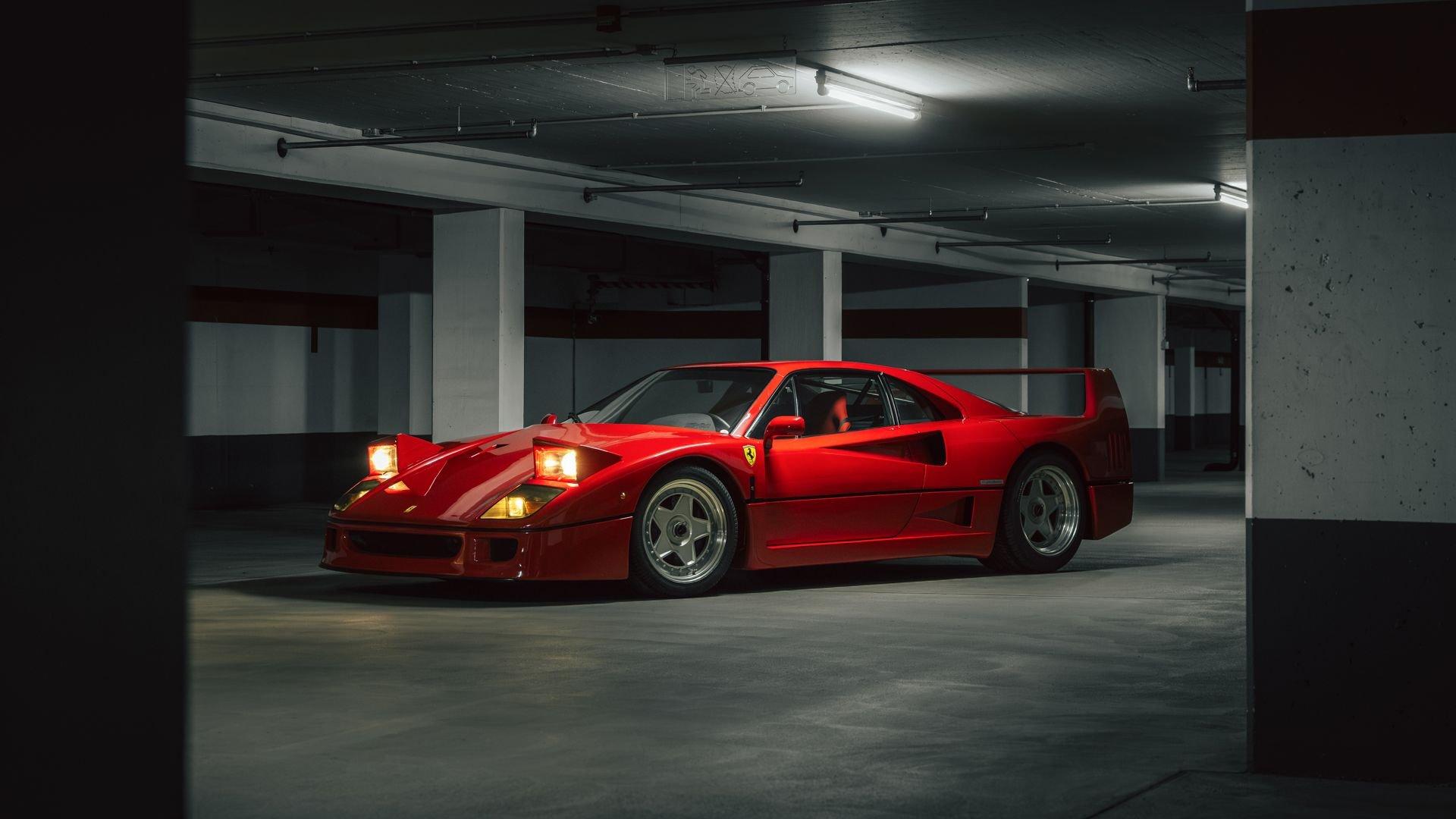
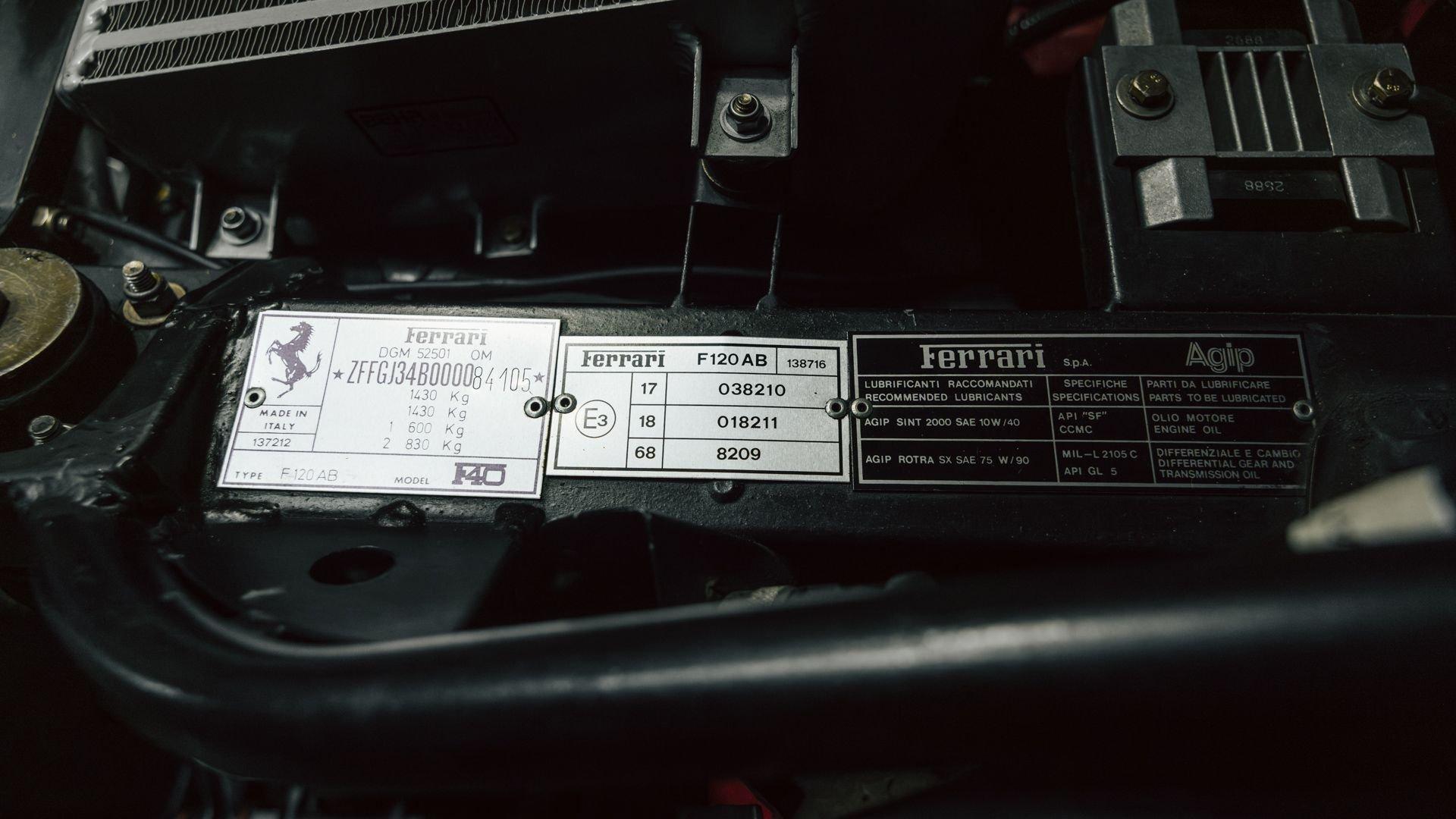
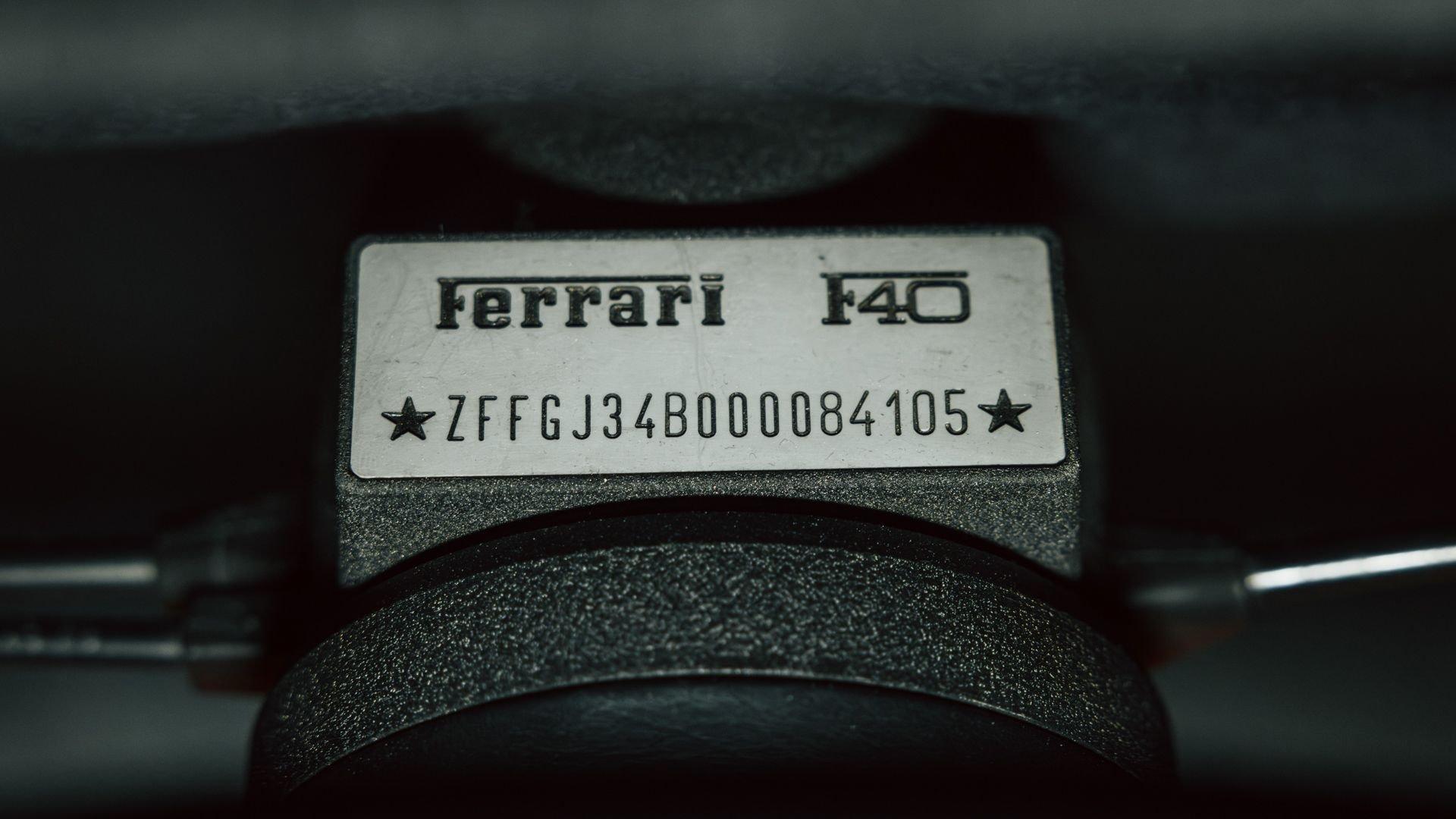
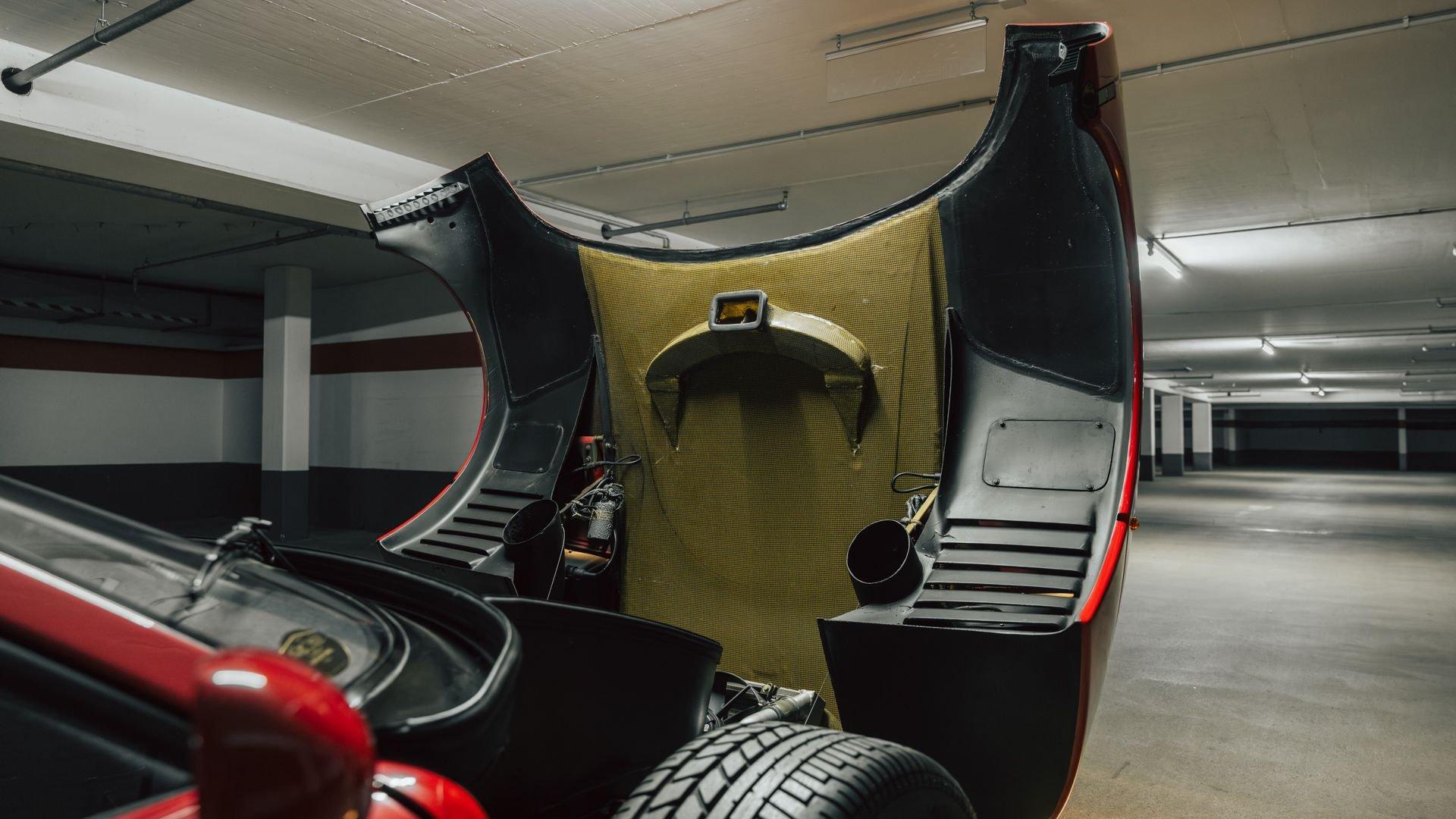
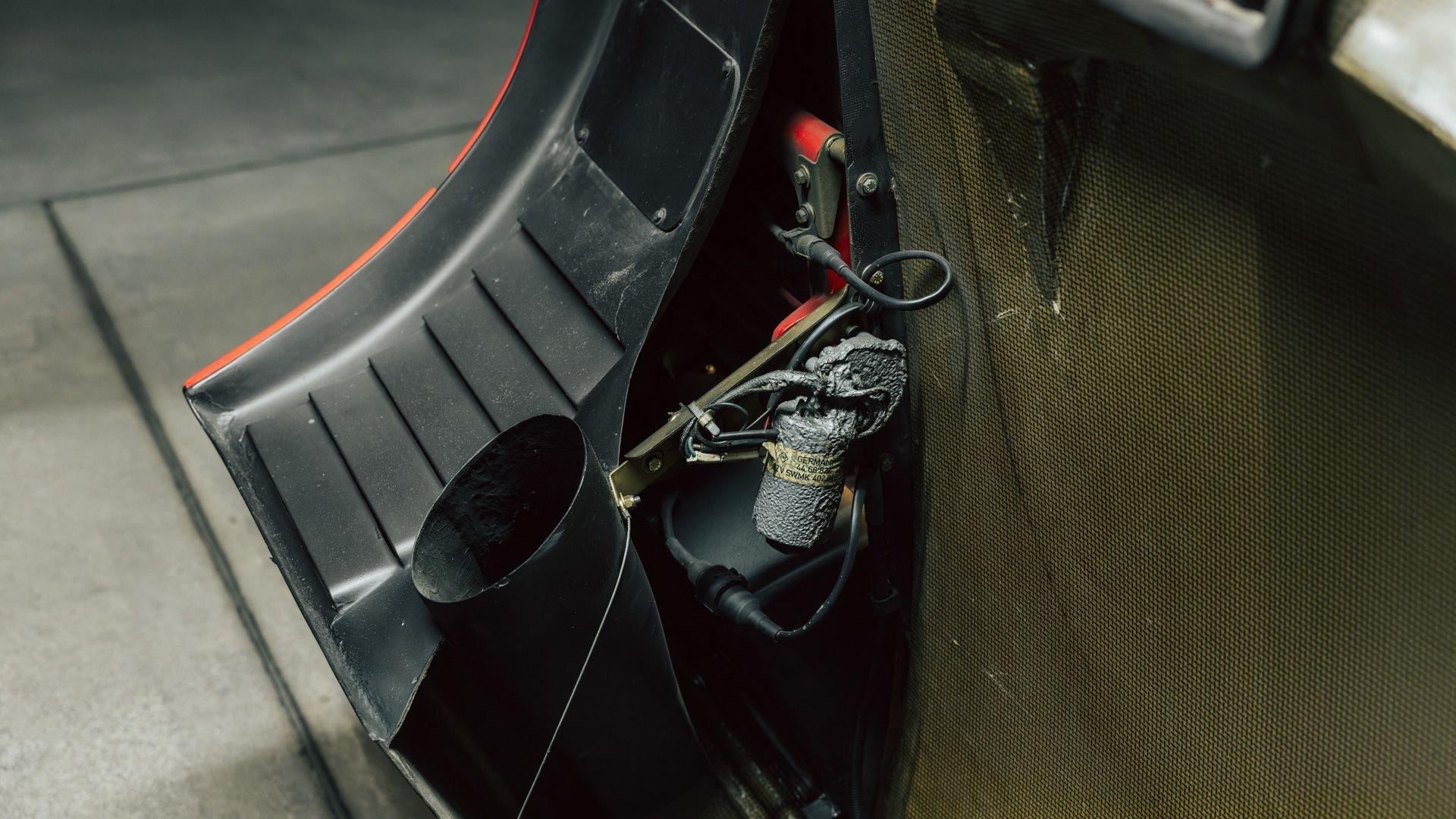
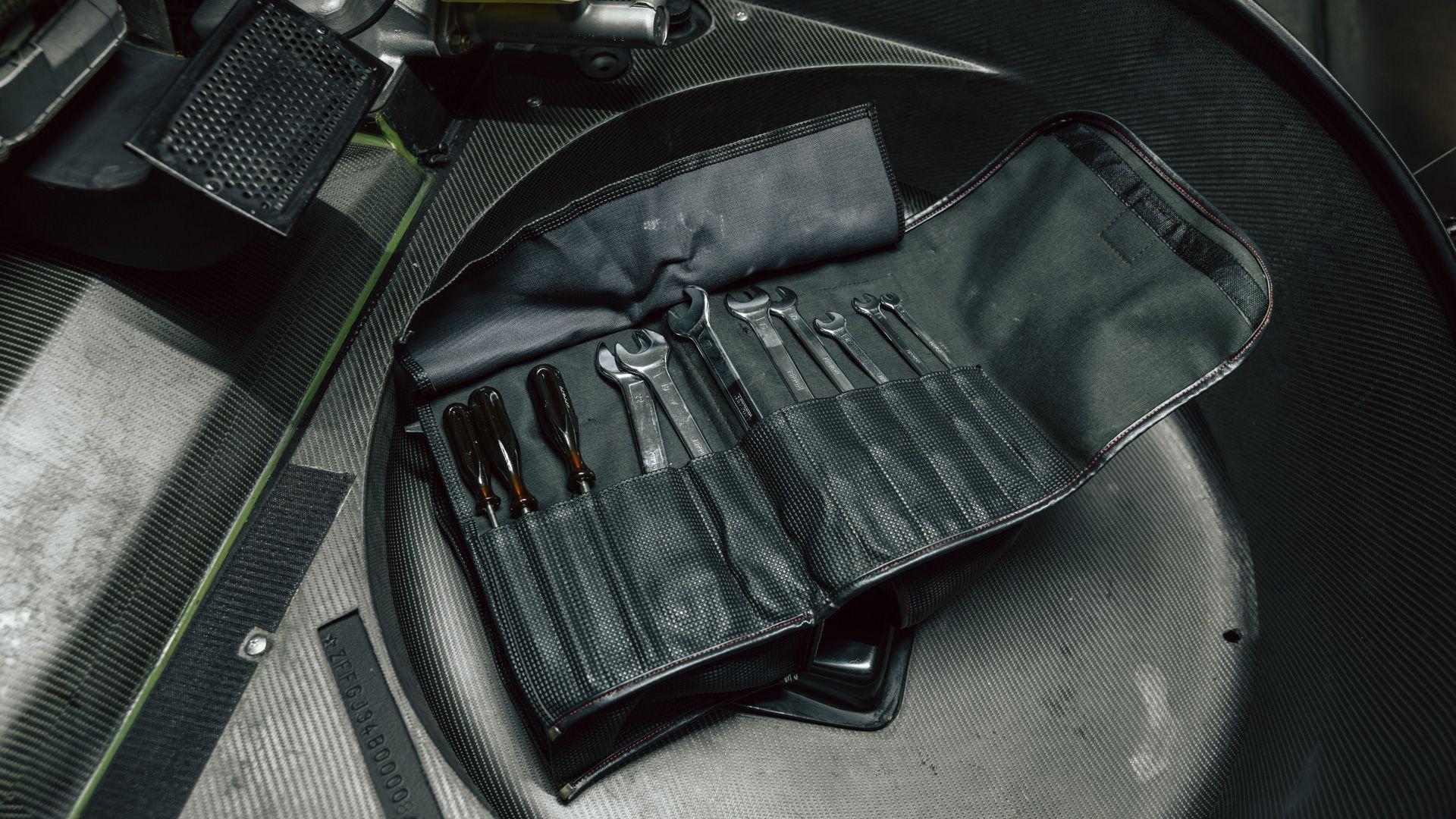
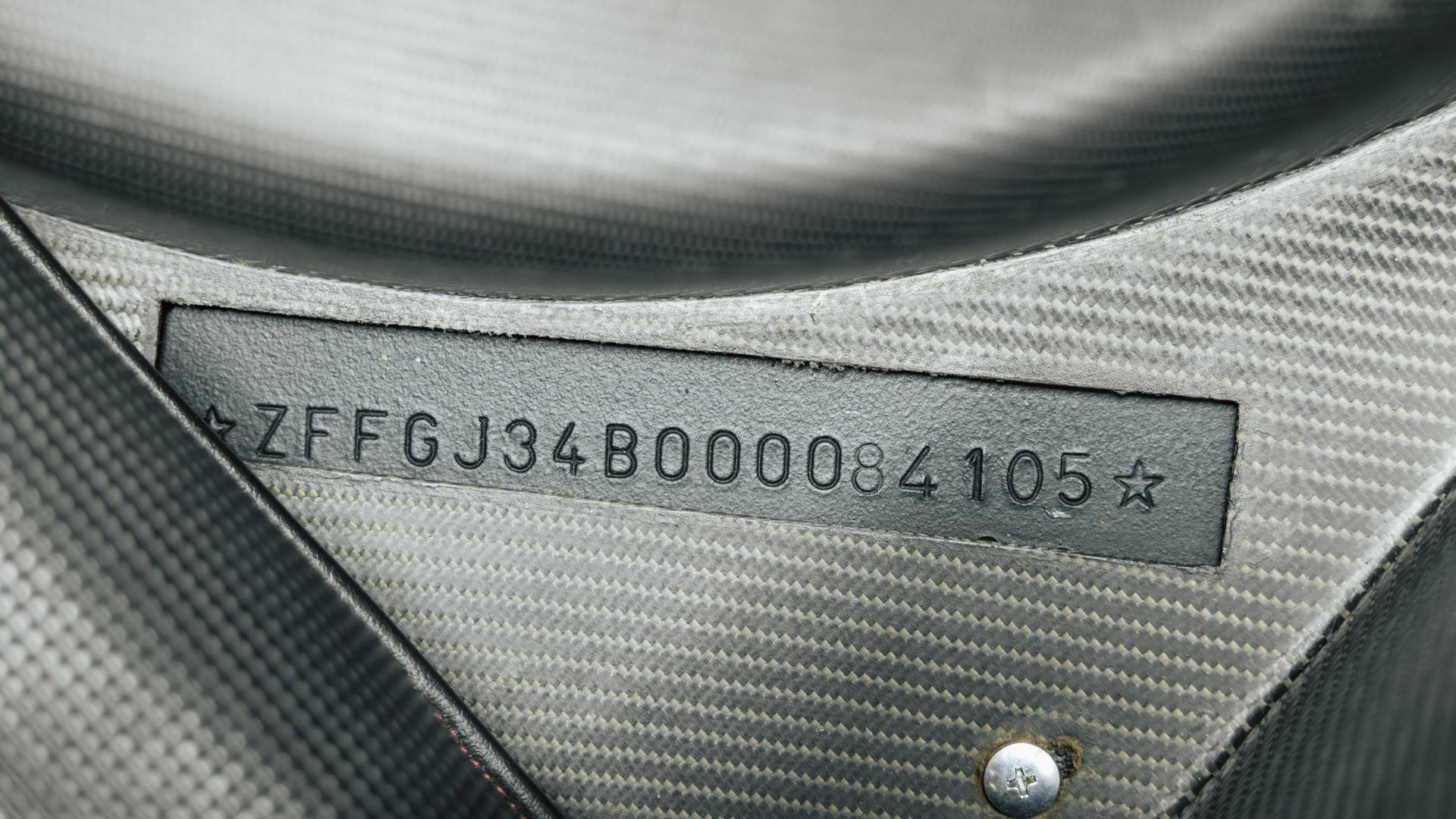
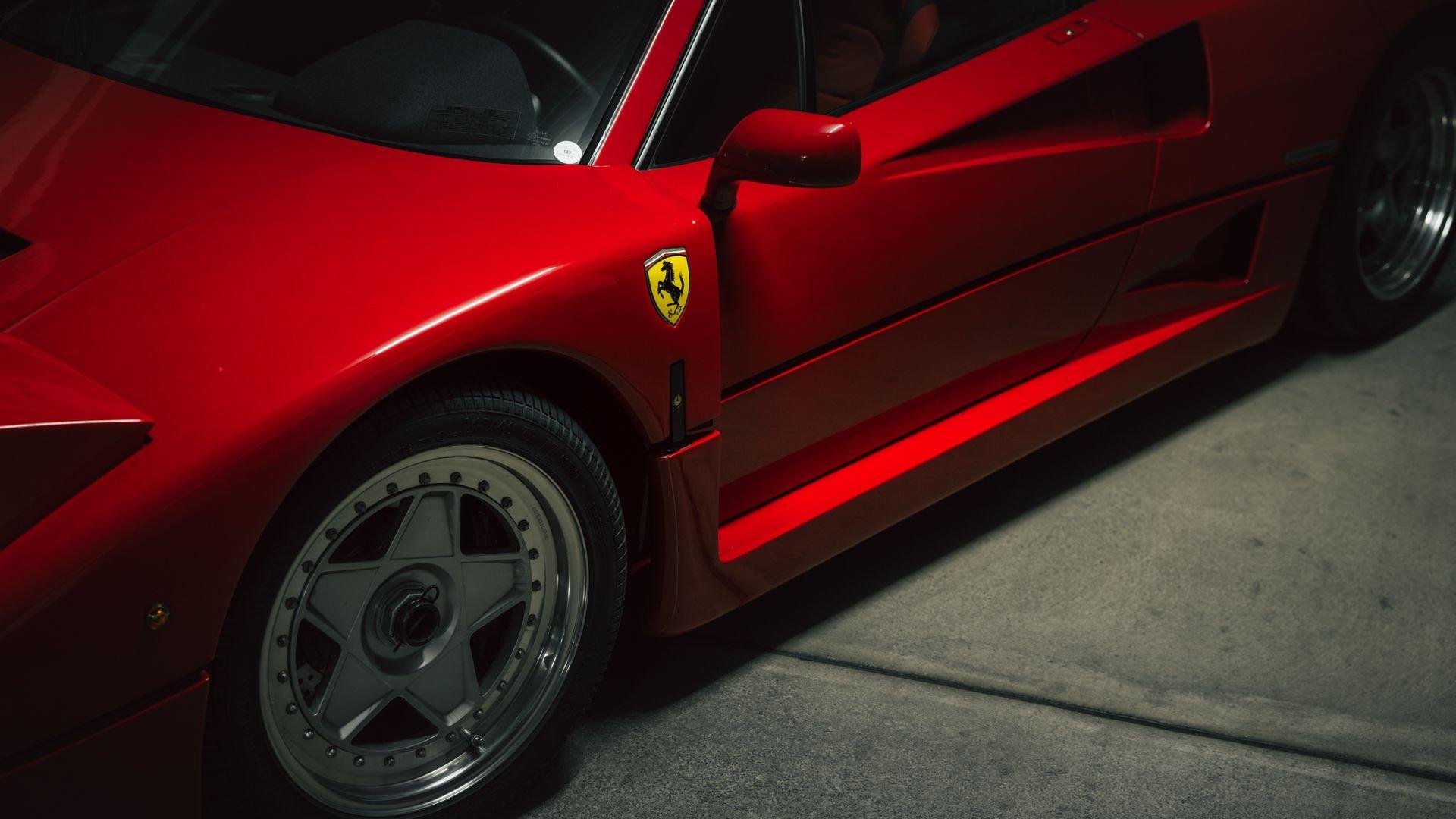
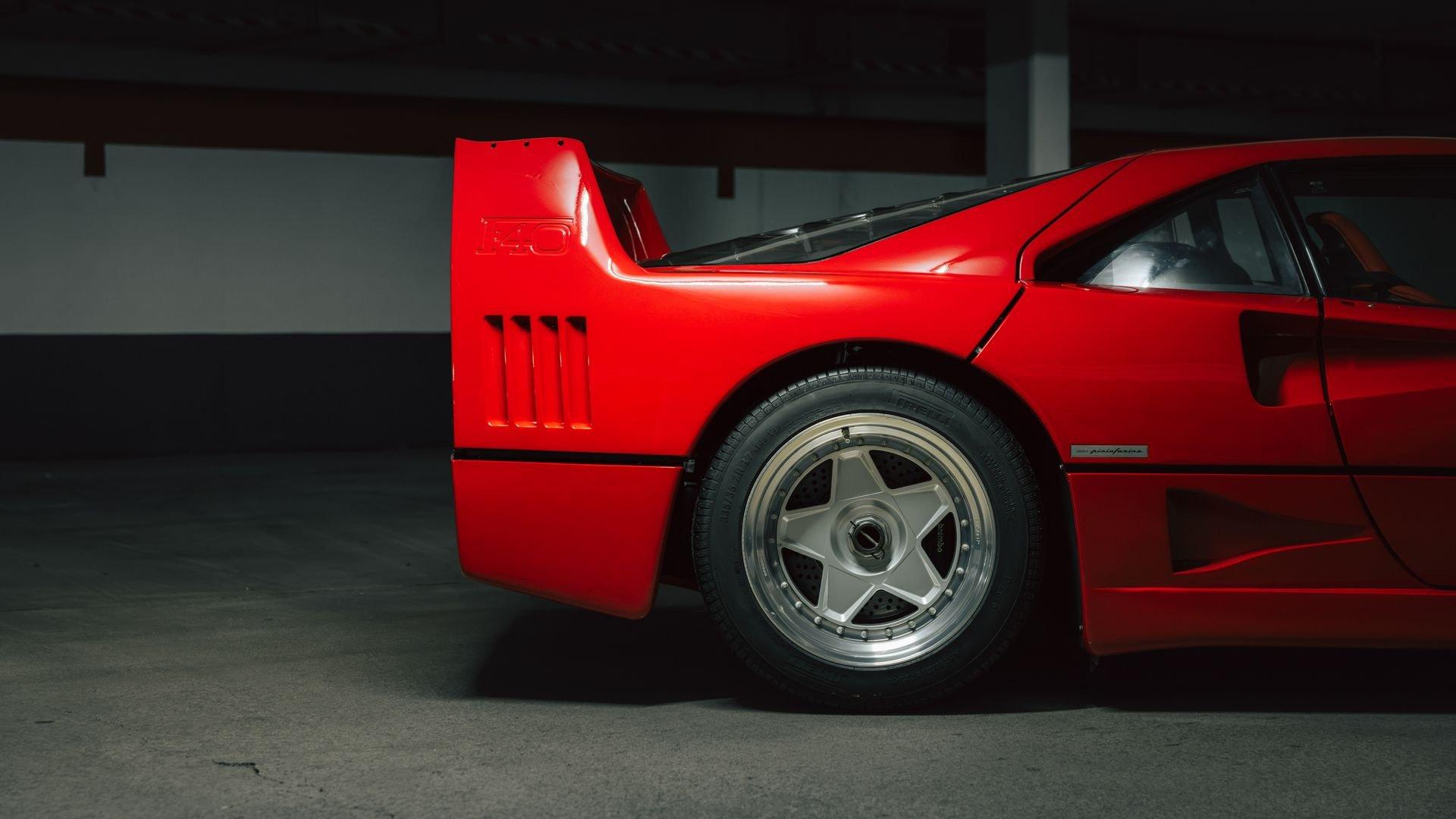
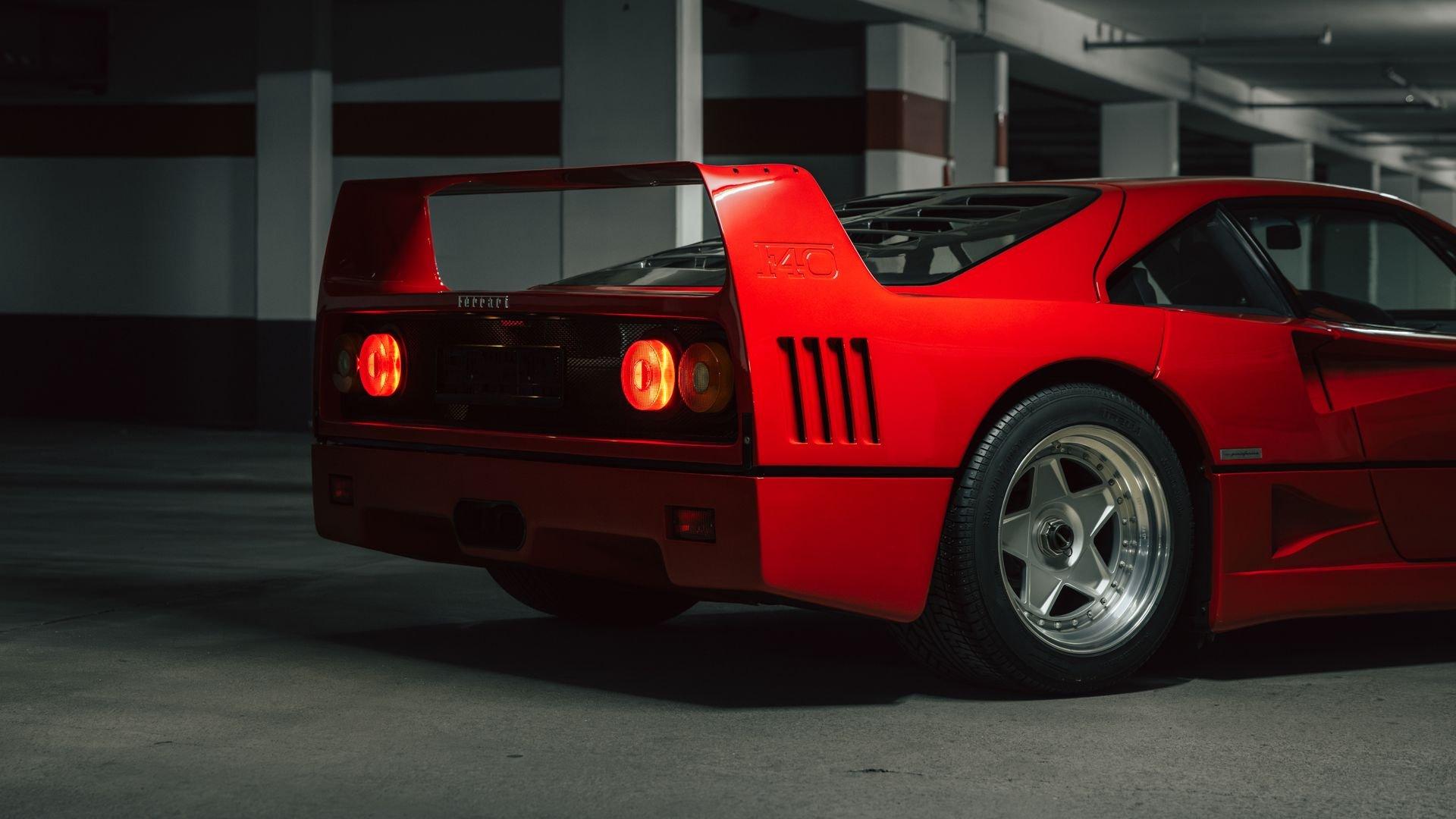
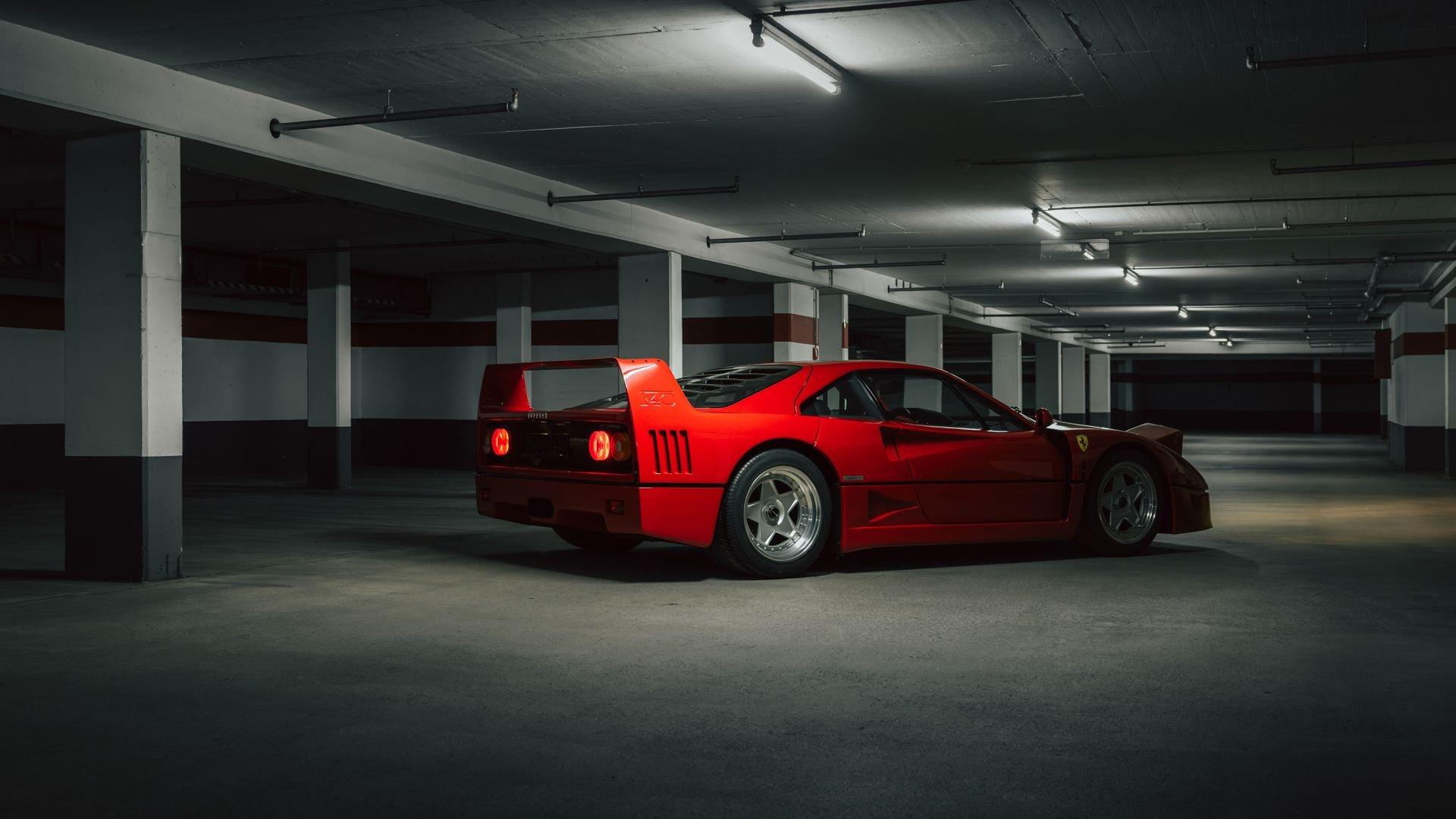
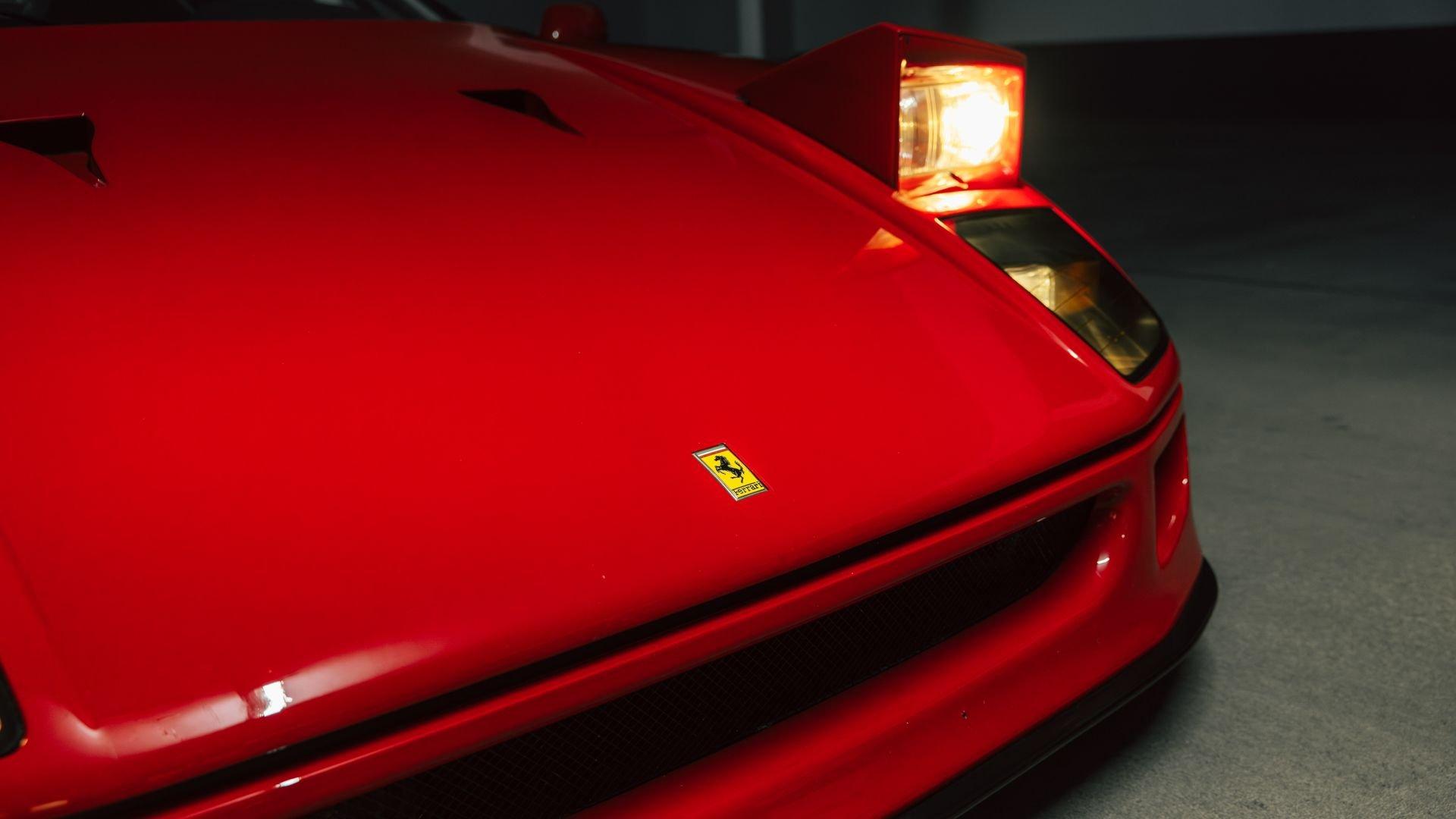
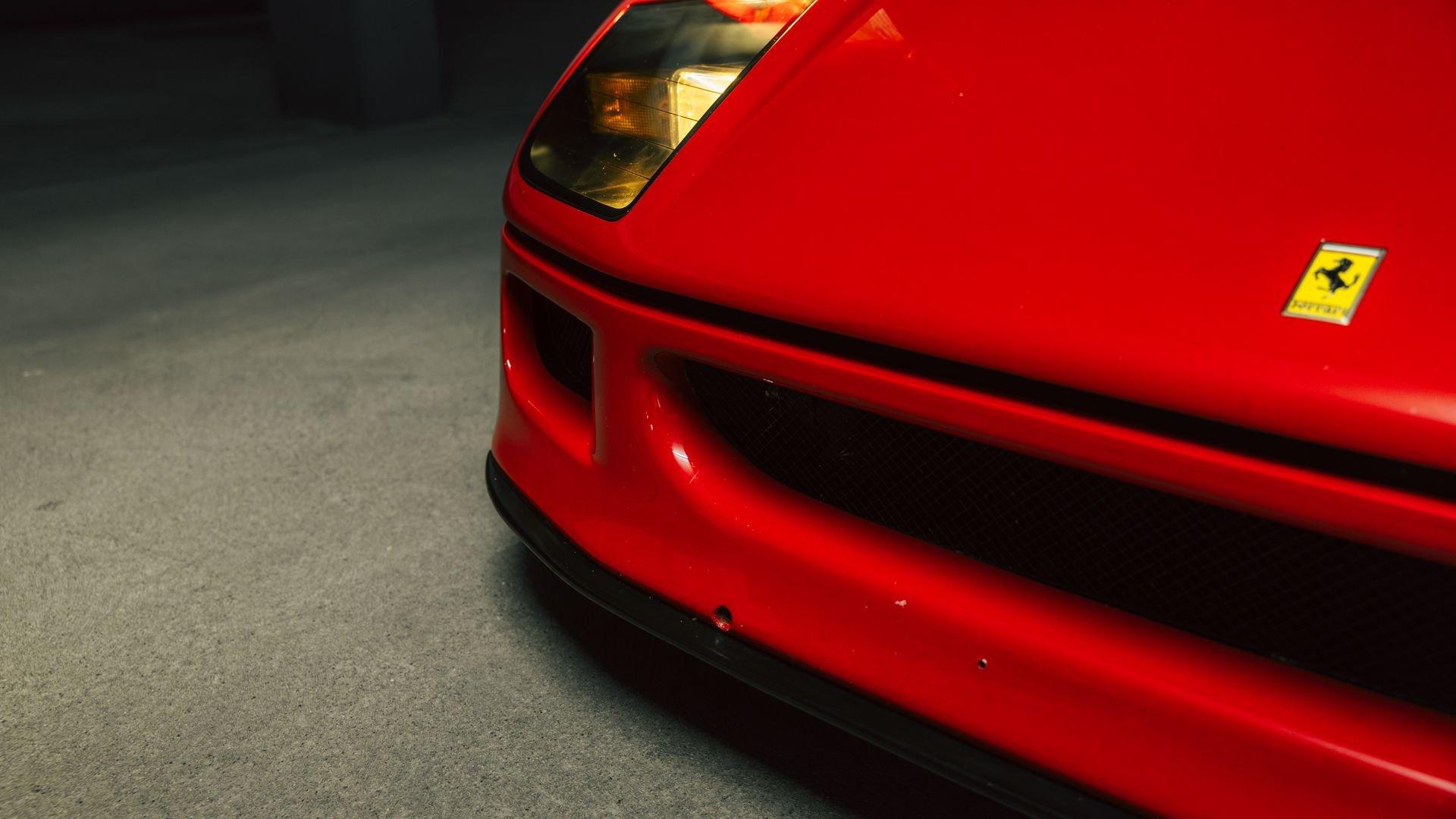
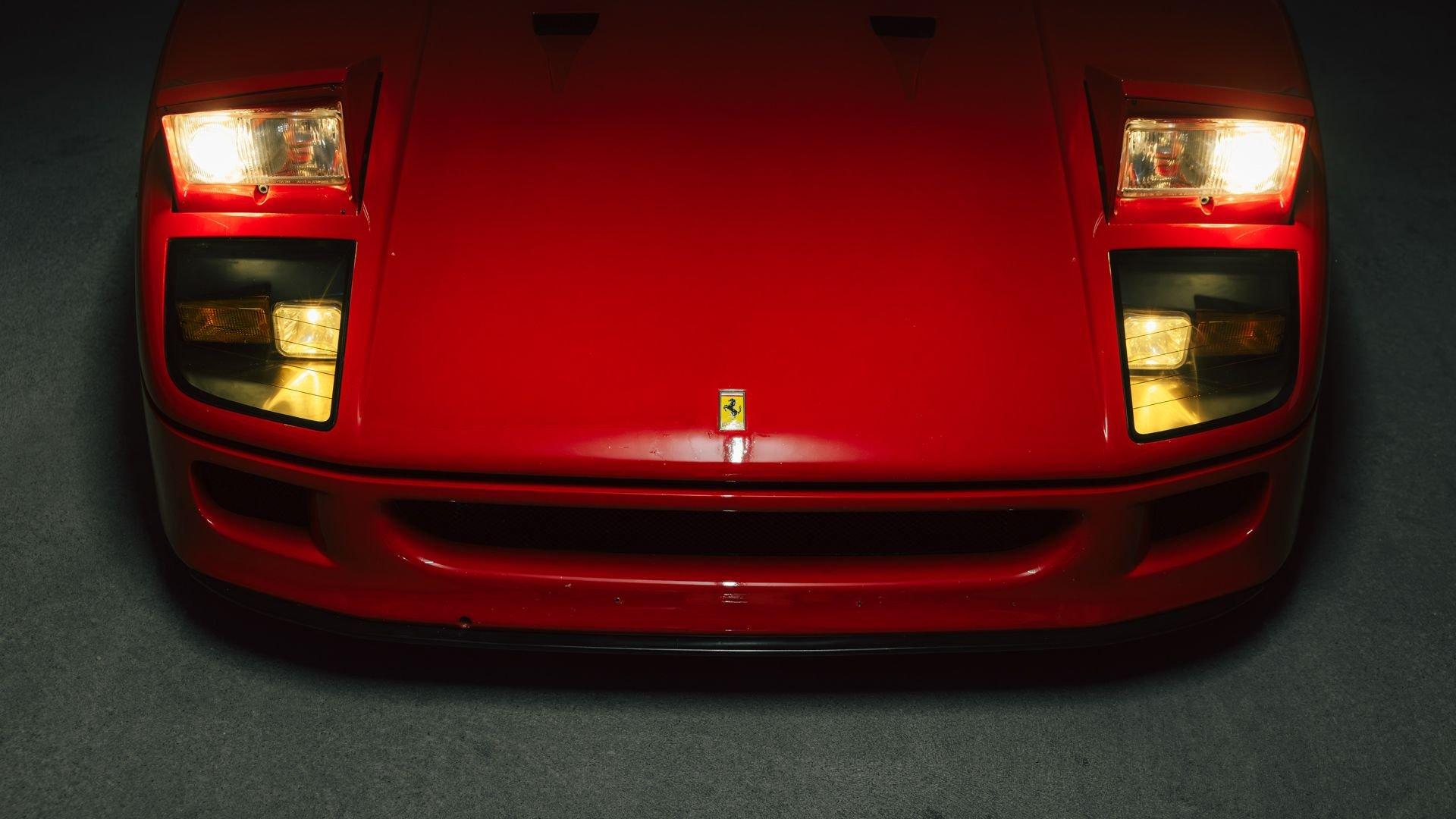
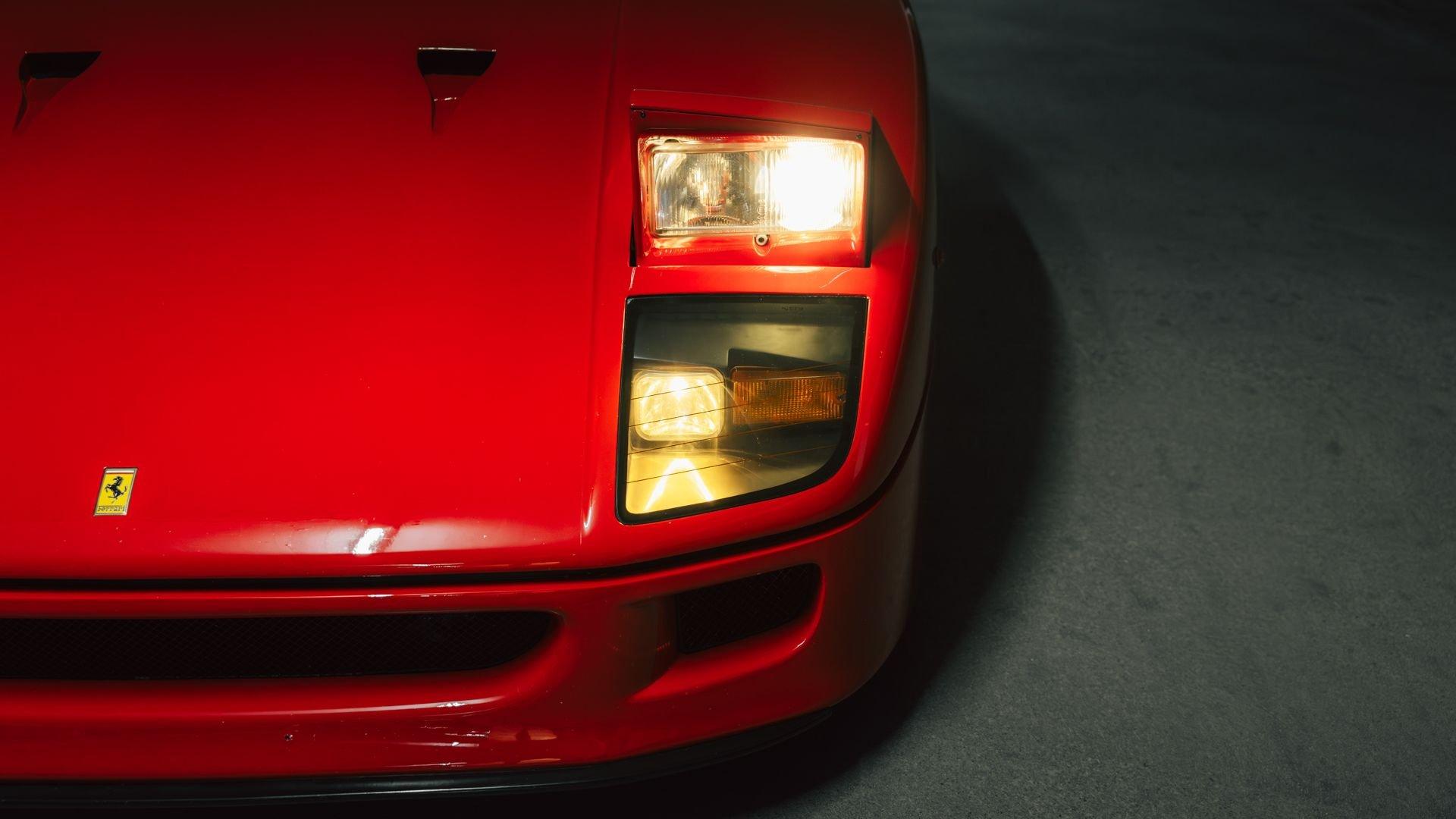
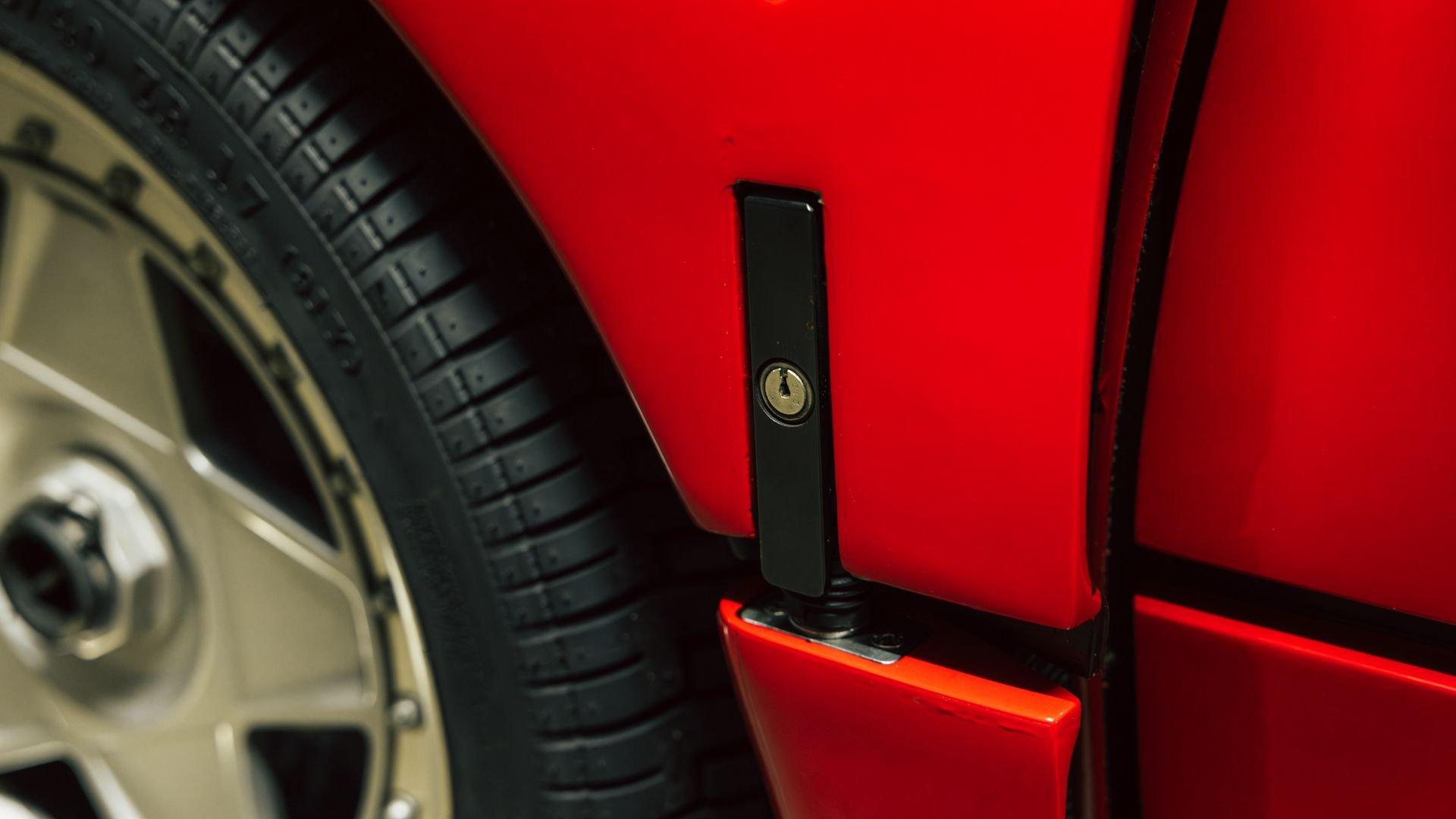
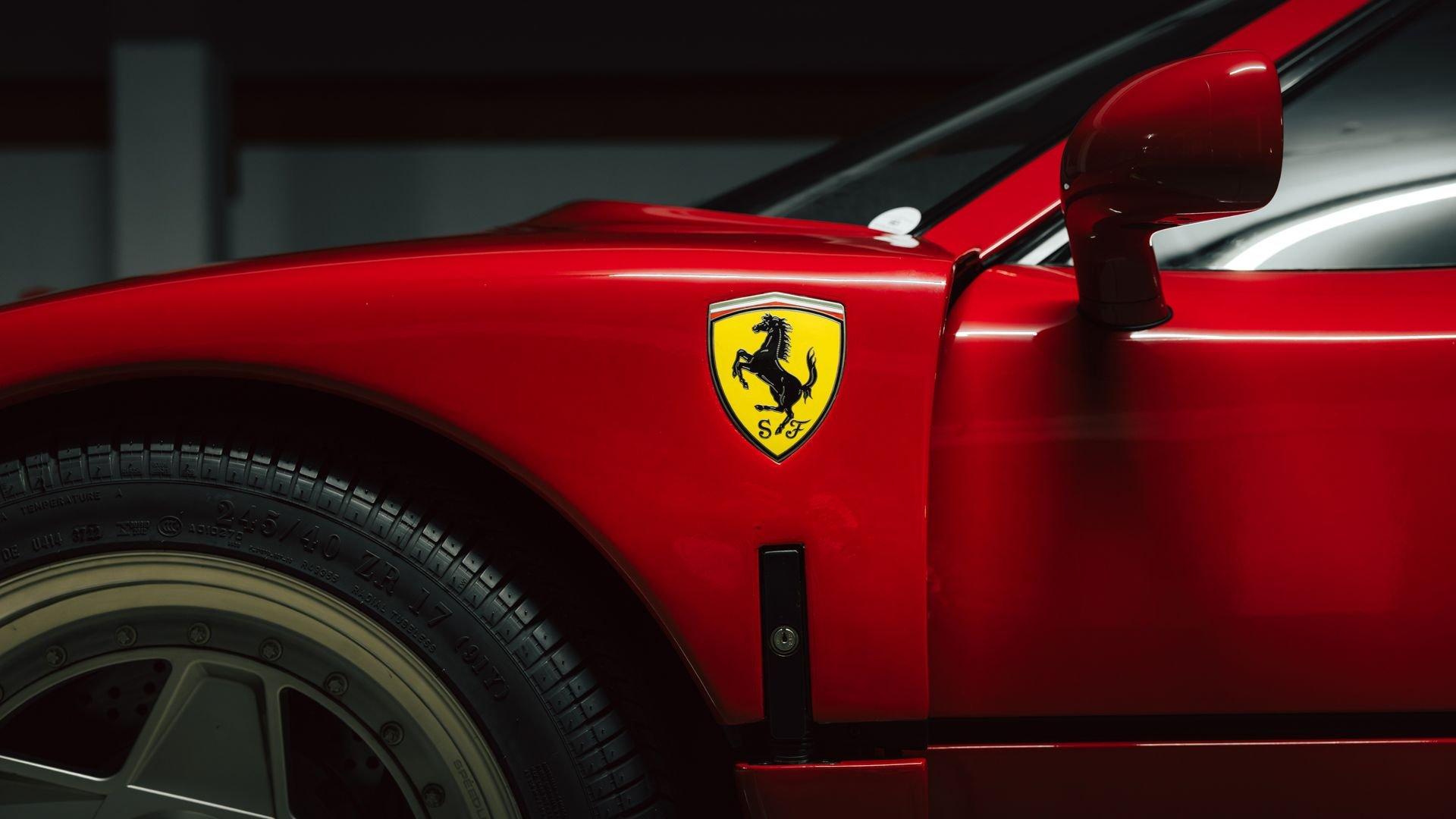
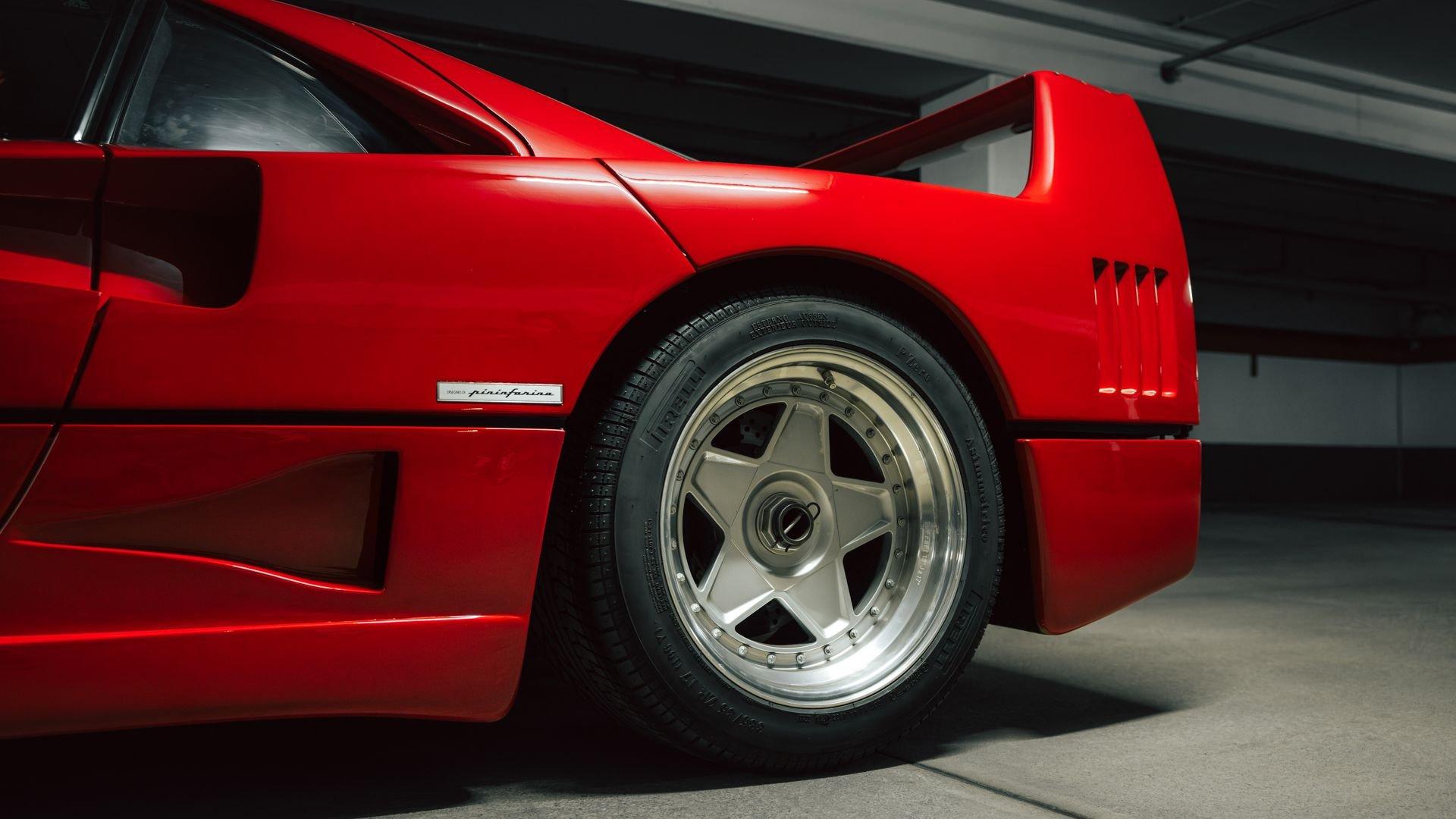
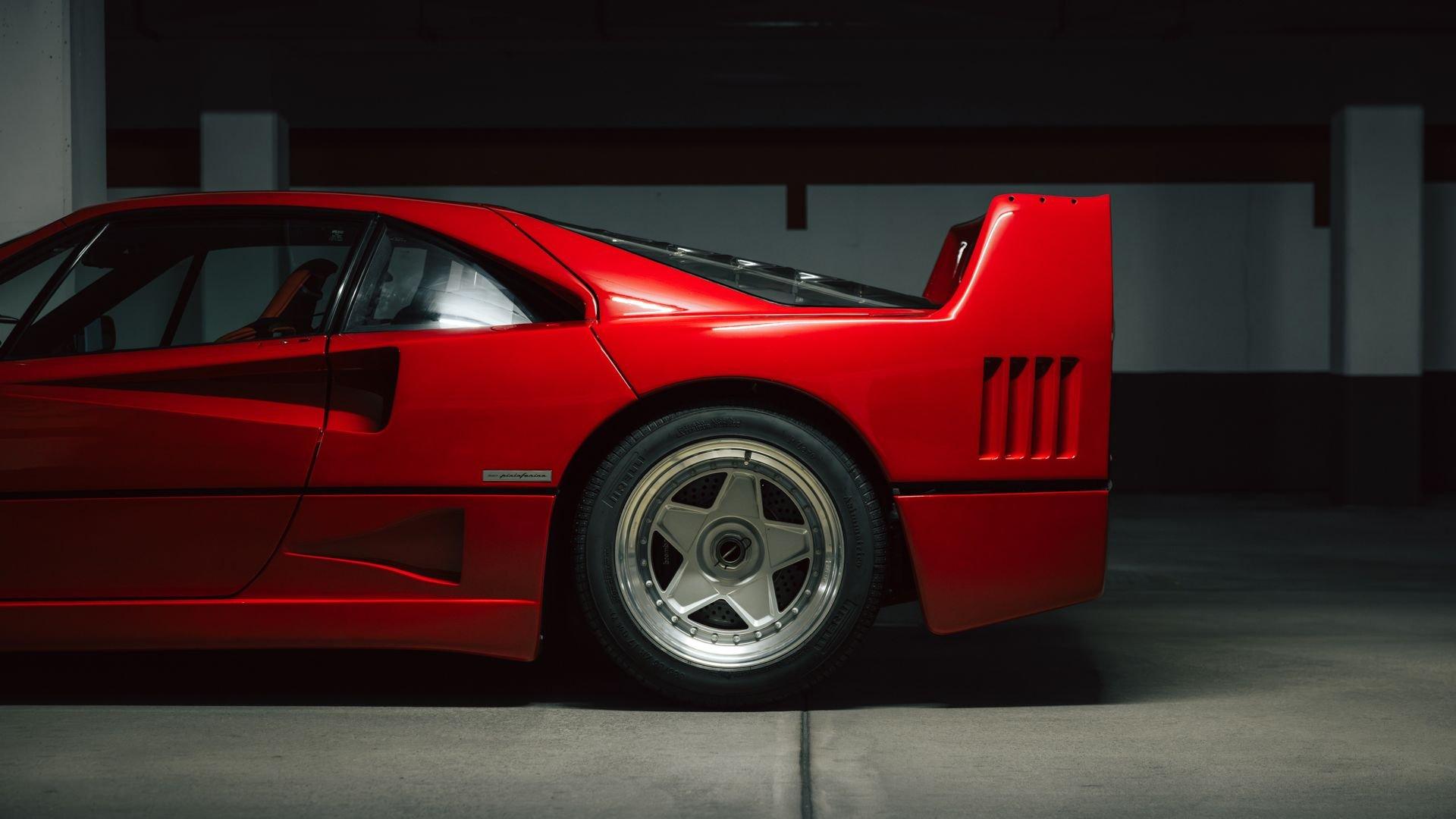
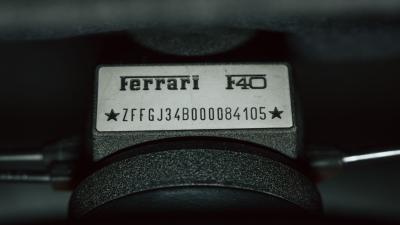
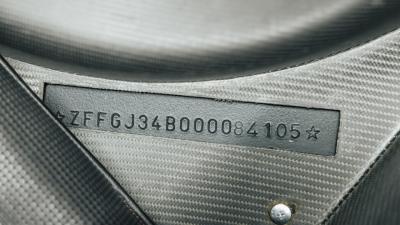
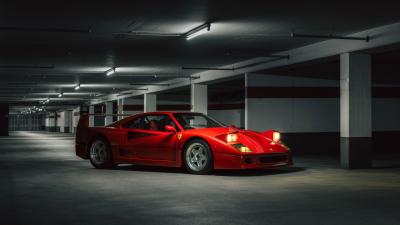
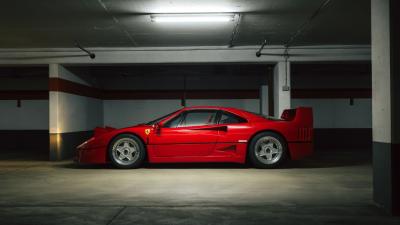
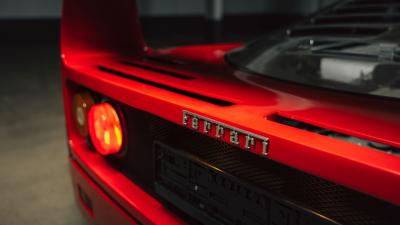
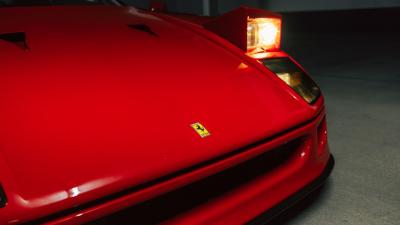
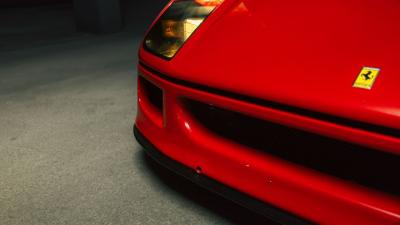
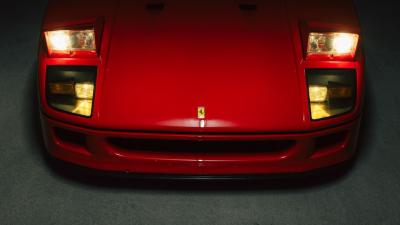
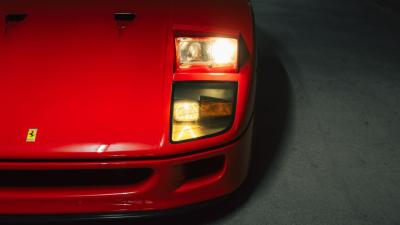
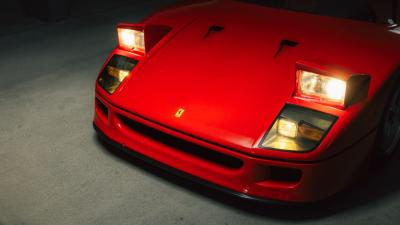
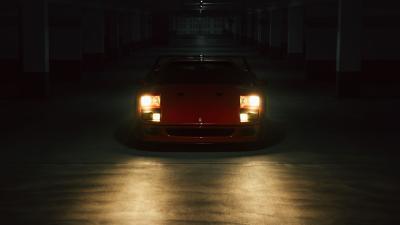
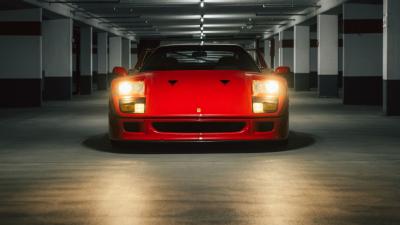
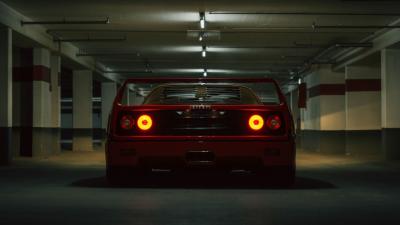
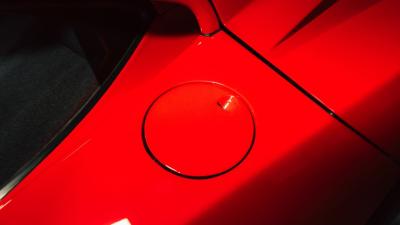
Chassis No. ZFFGJ34B000084105
Unveiled at a ceremony in Maranello on 21 July 1987, the F40 celebrated 40 years of Ferrari car production. Its name, legend has it, was born when Ferrari Managing Director Giovanni Razelli asked motoring journalist and author Gino Rancati what the new car should be called, and received an elegantly direct answer: “Ferrari Quarante.”
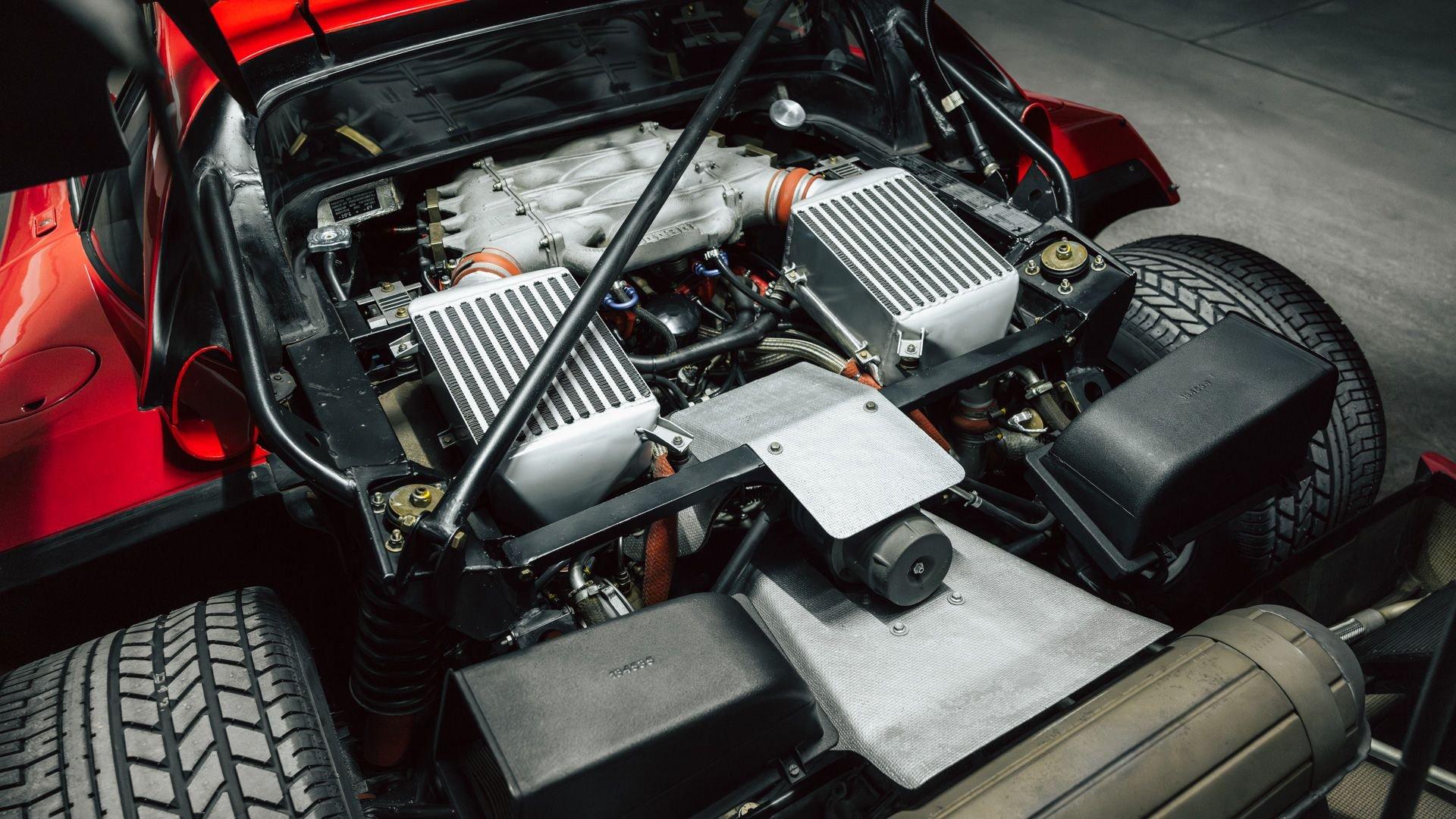
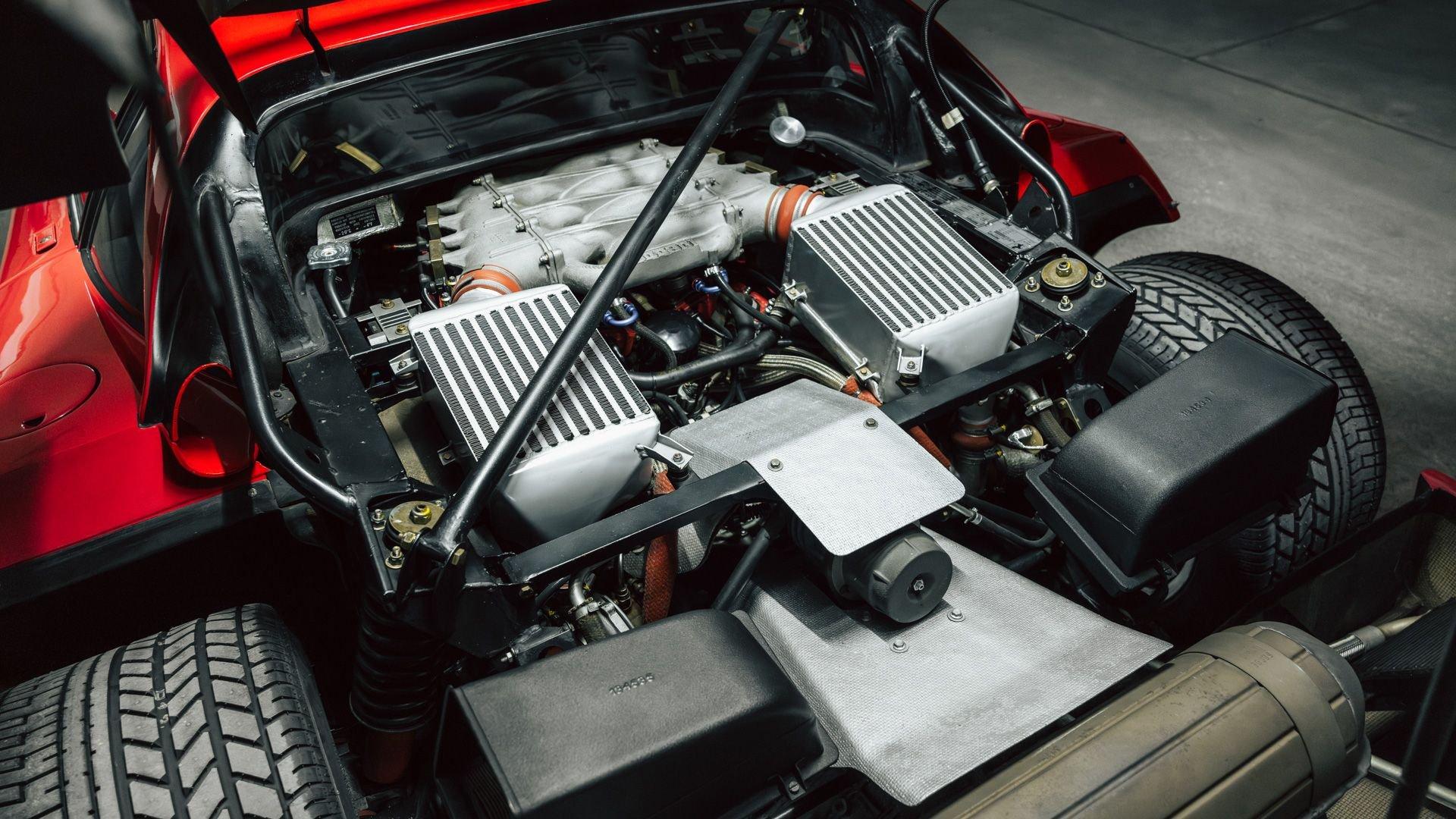
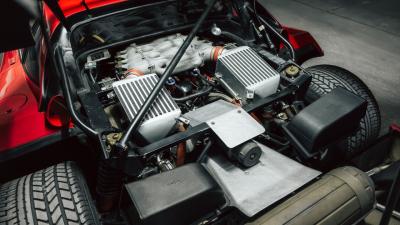
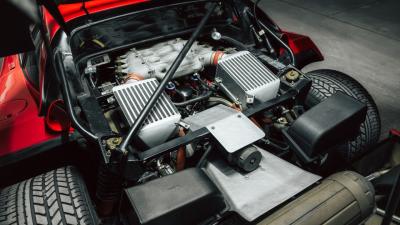
Yet the F40 didn't start merely as an anniversary badge. Spy photographs had already hinted at a successor to the 288 GTO, and the squat, winged prototype later dubbed the GTO Evoluzione was originally intended as the GTO's competition version. When Group B was cancelled in the wake of tragedy at the Tour de Corse, the Evoluzione's original purpose vanished, but its engineering lessons did not. What remained was an opportunity to build the most uncompromising road-going Ferrari of its era, shaped by turbocharged know-how and buoyed by the unexpected sales success of the 288 GTO.
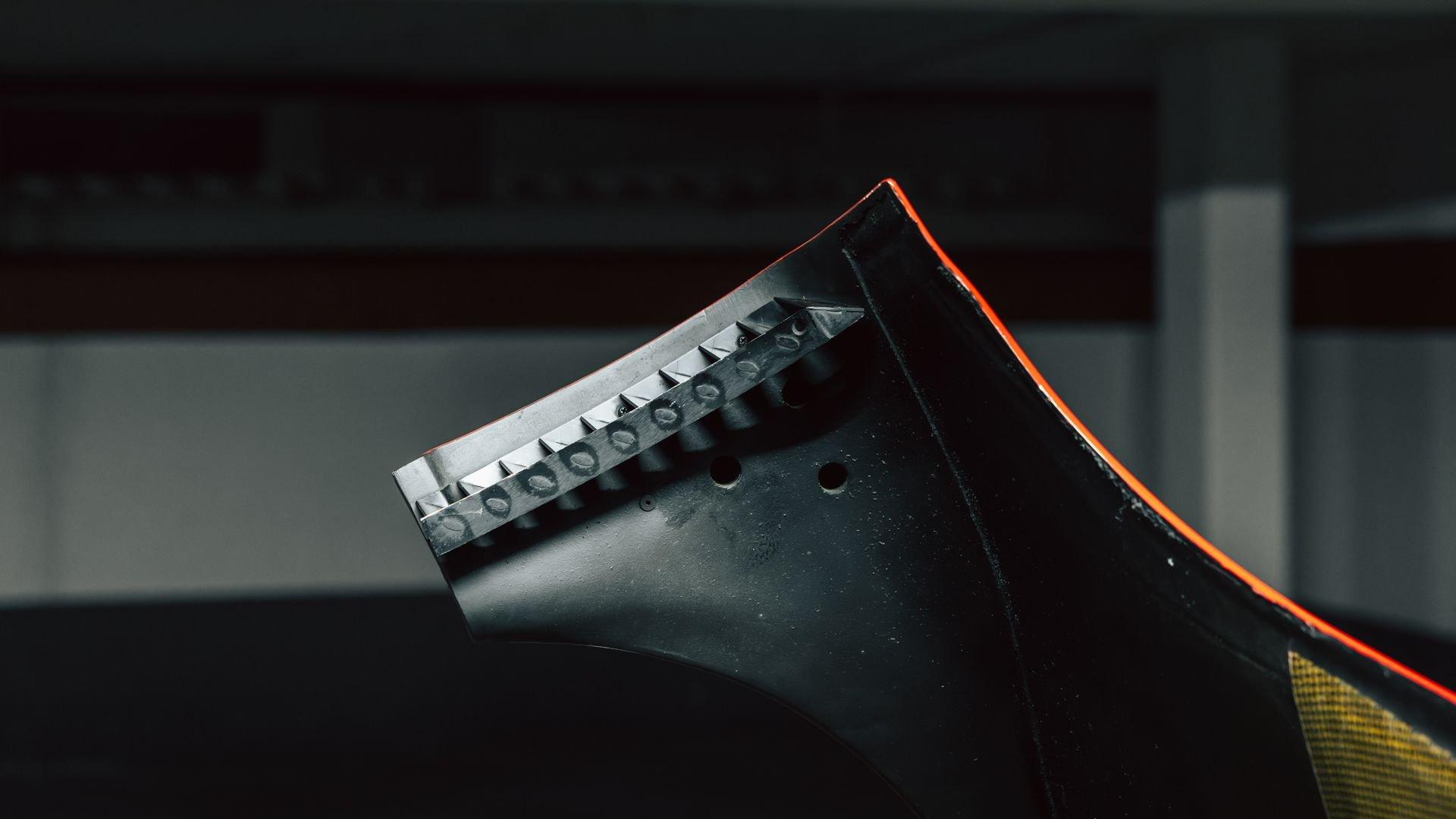
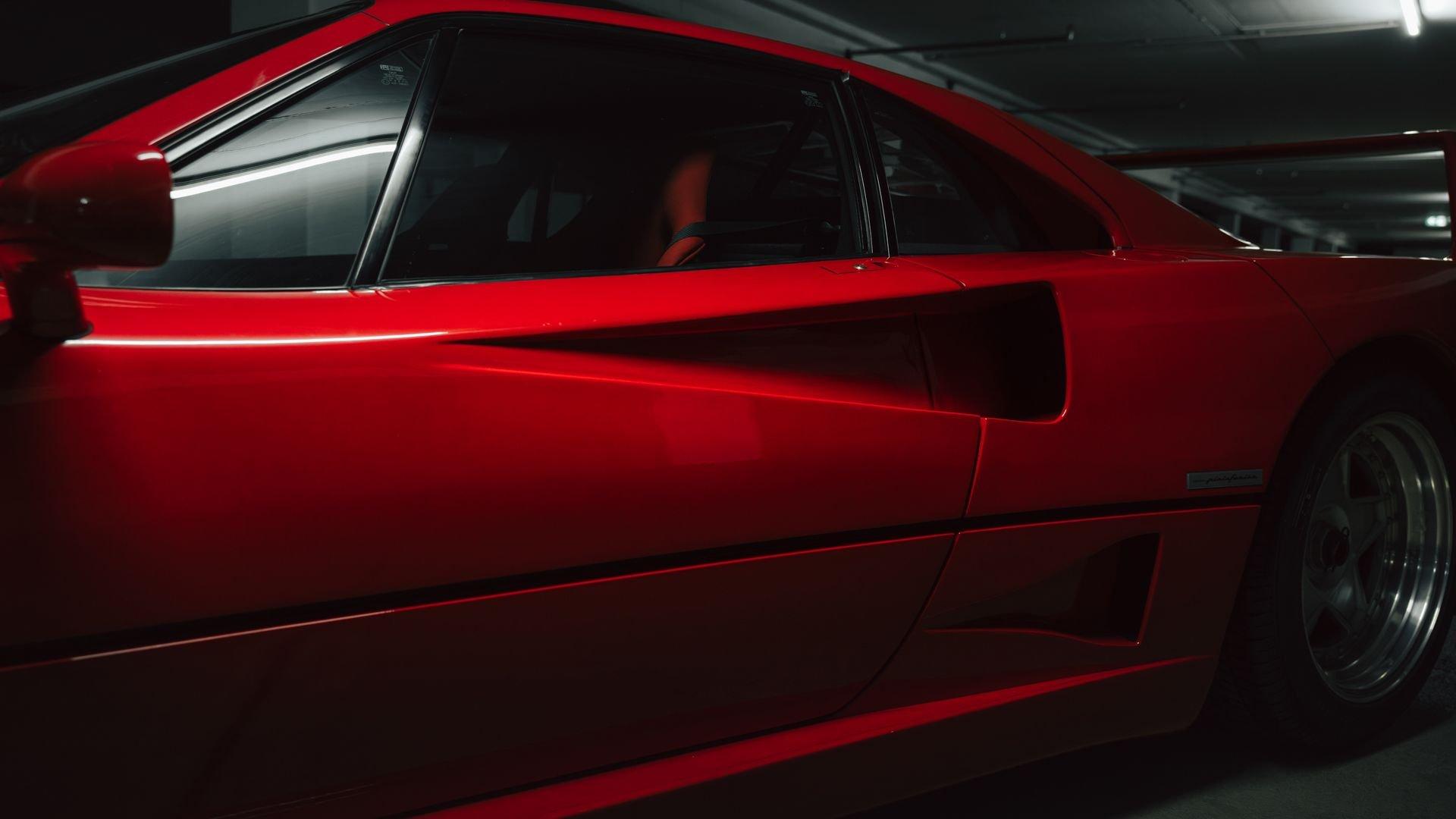
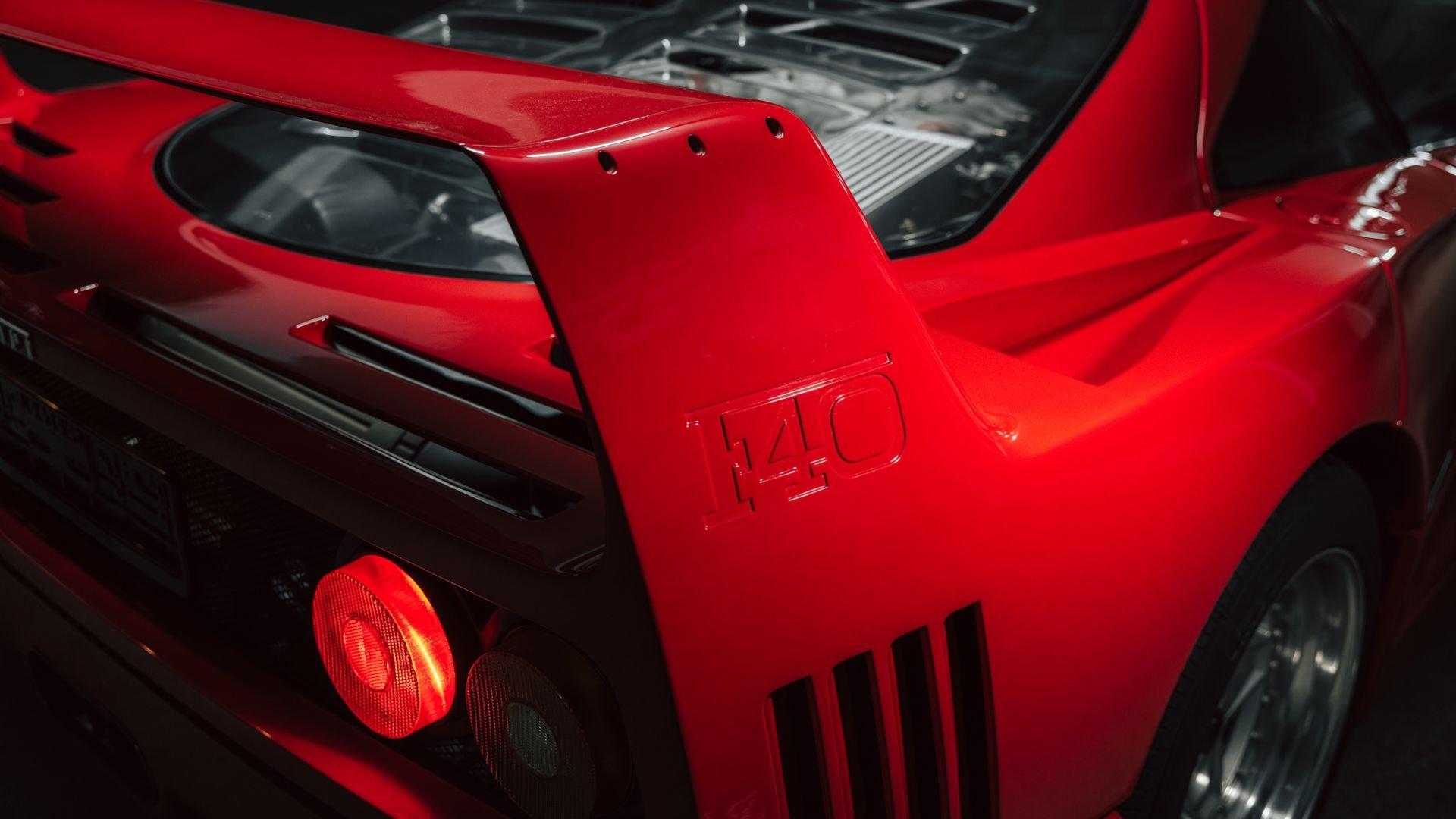
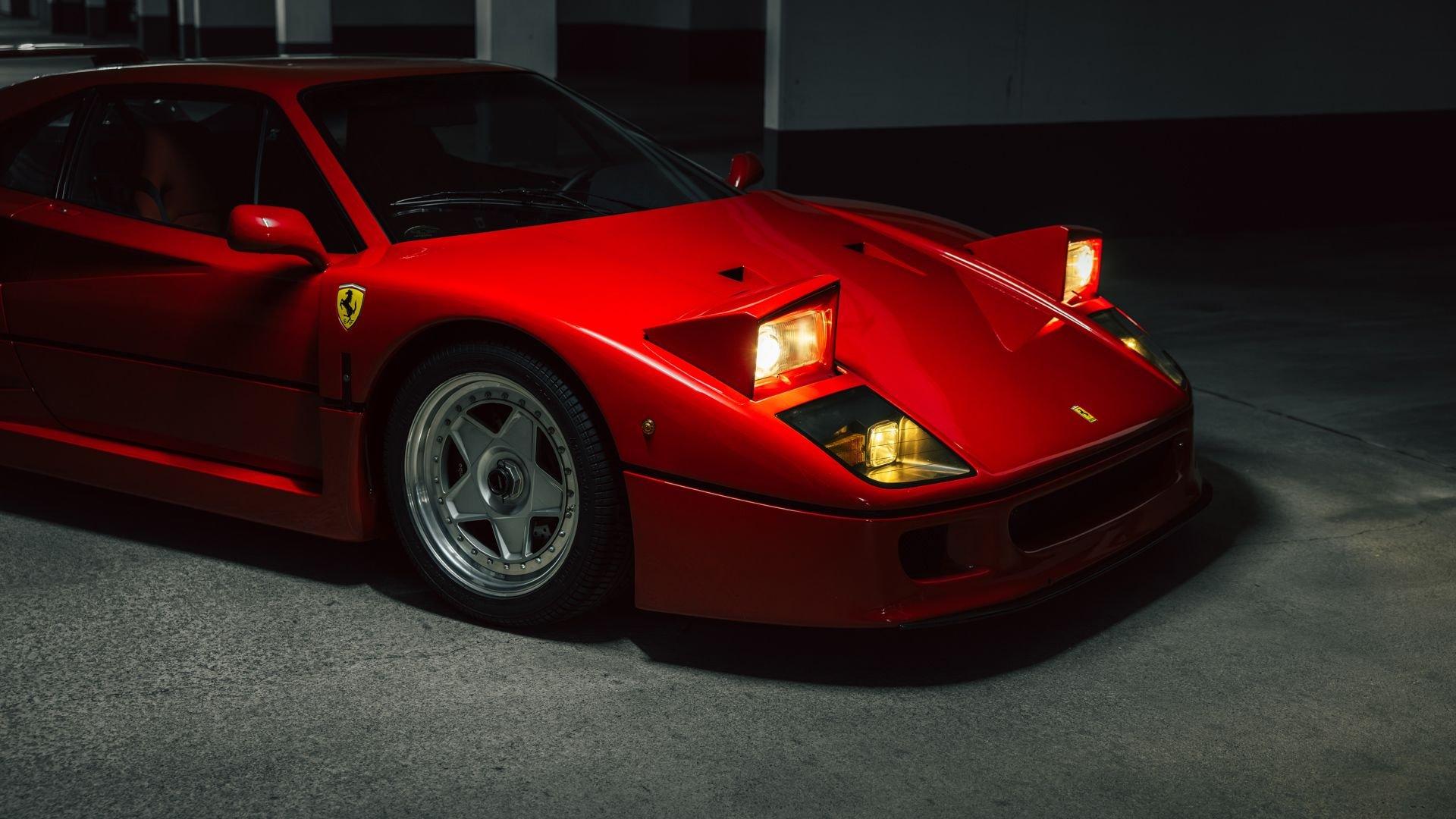
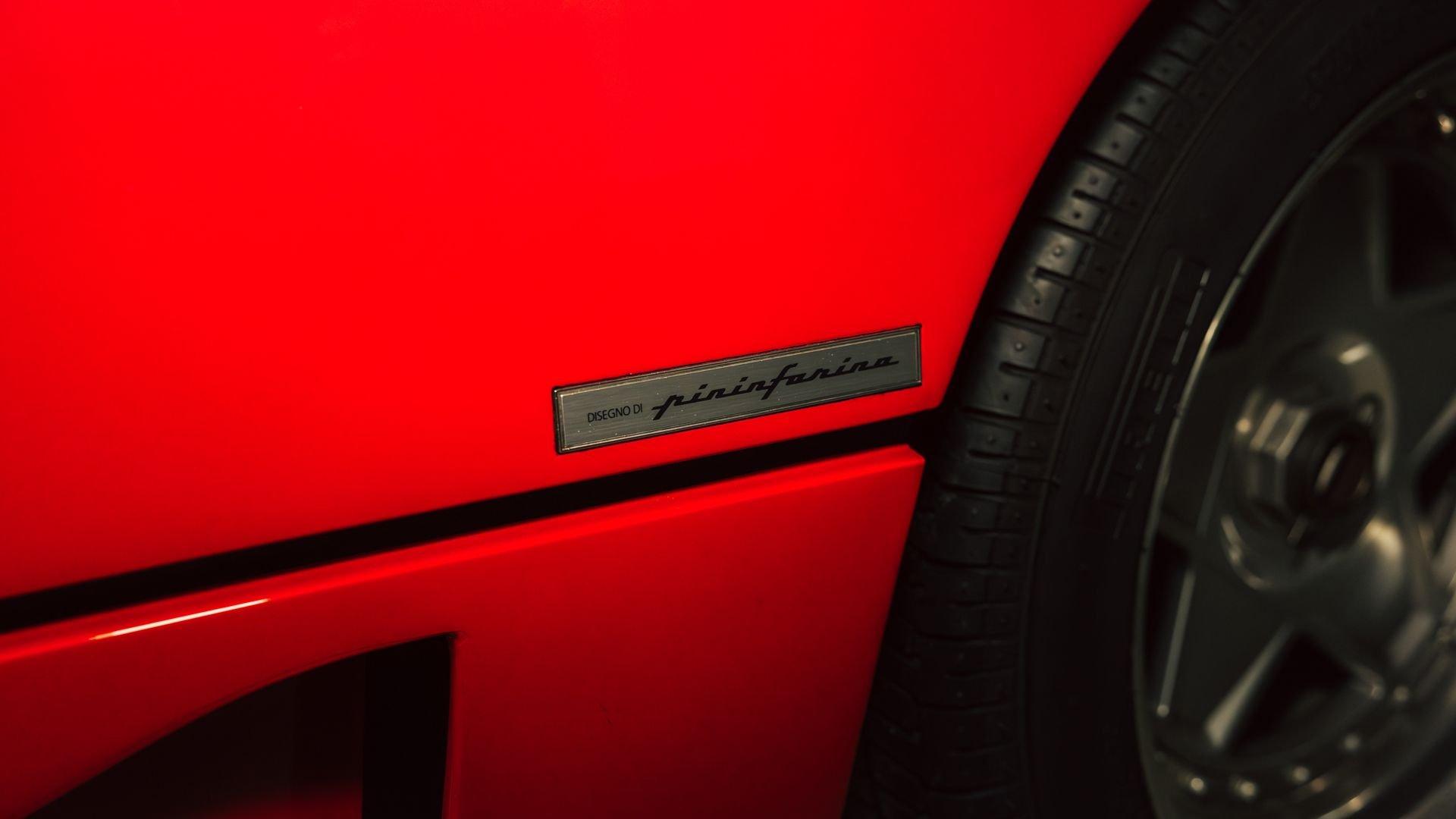
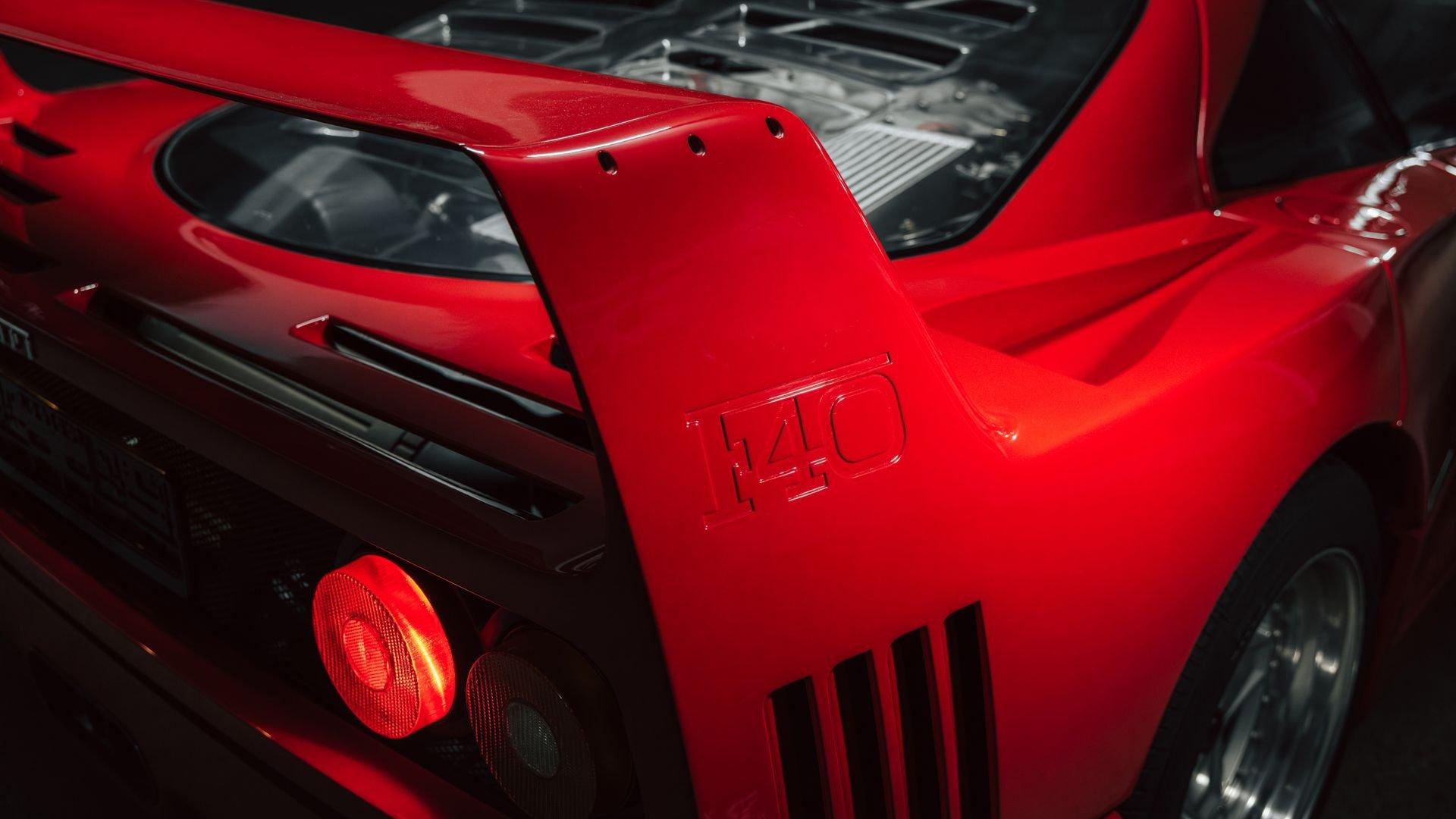
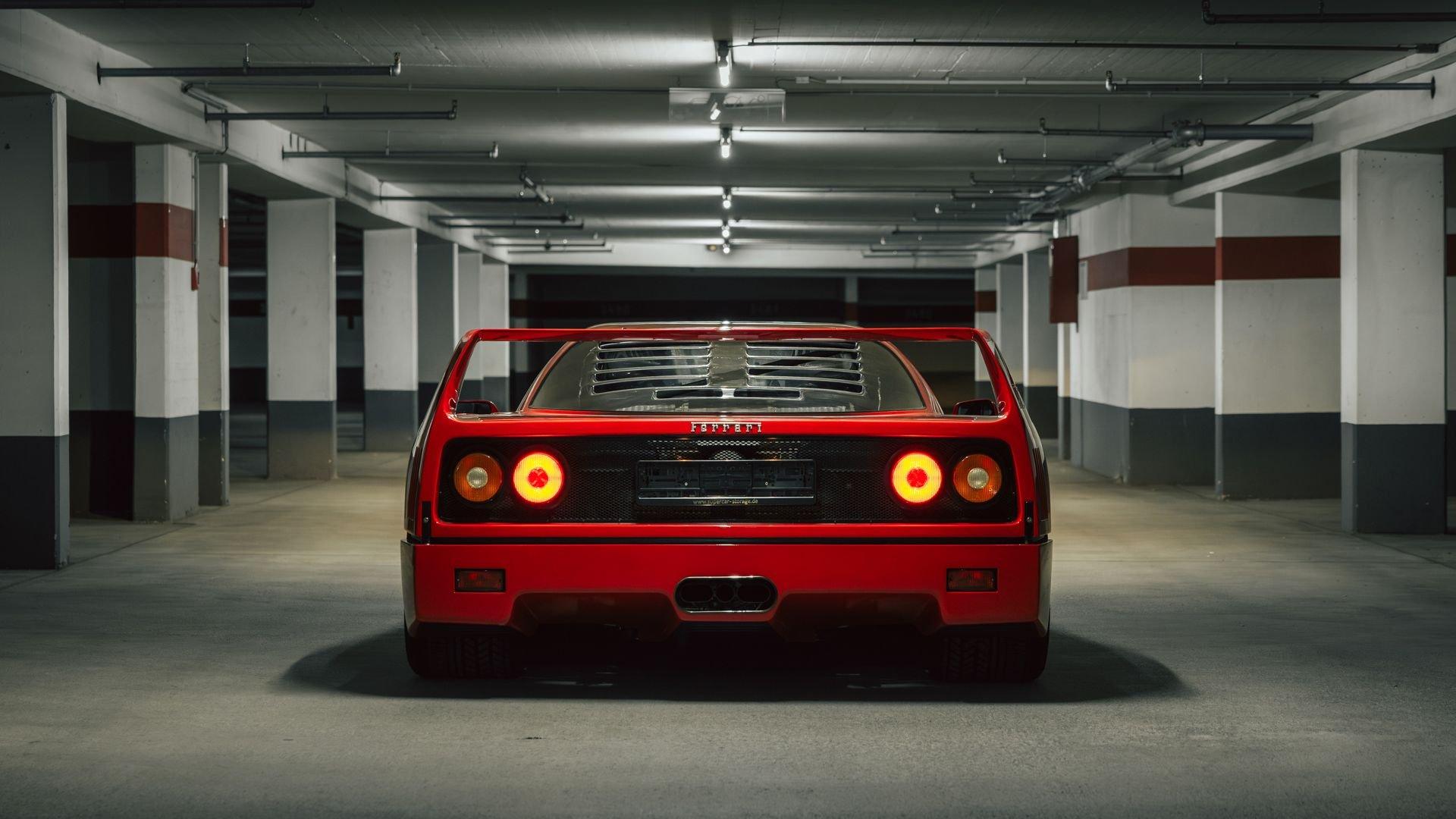
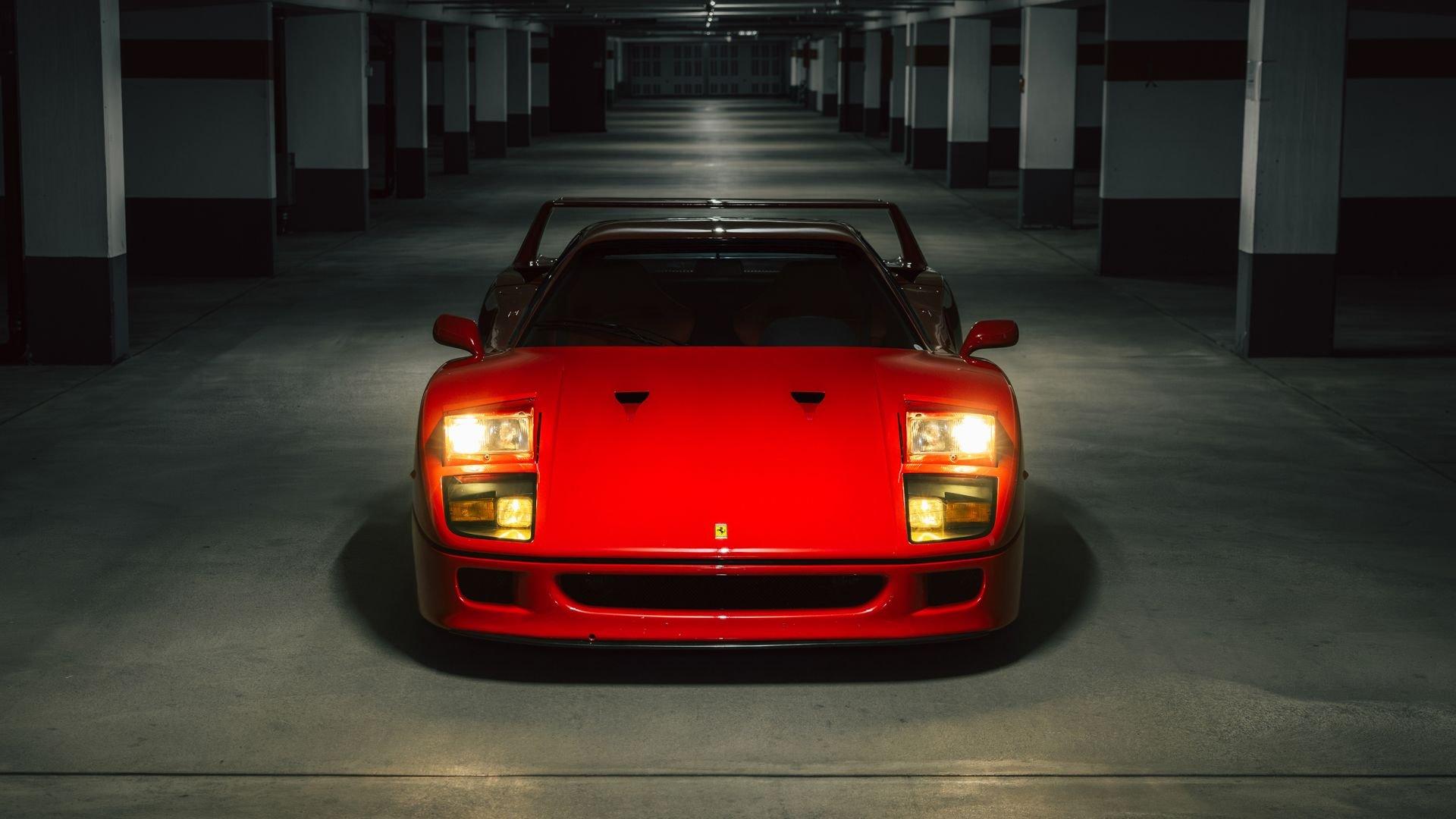
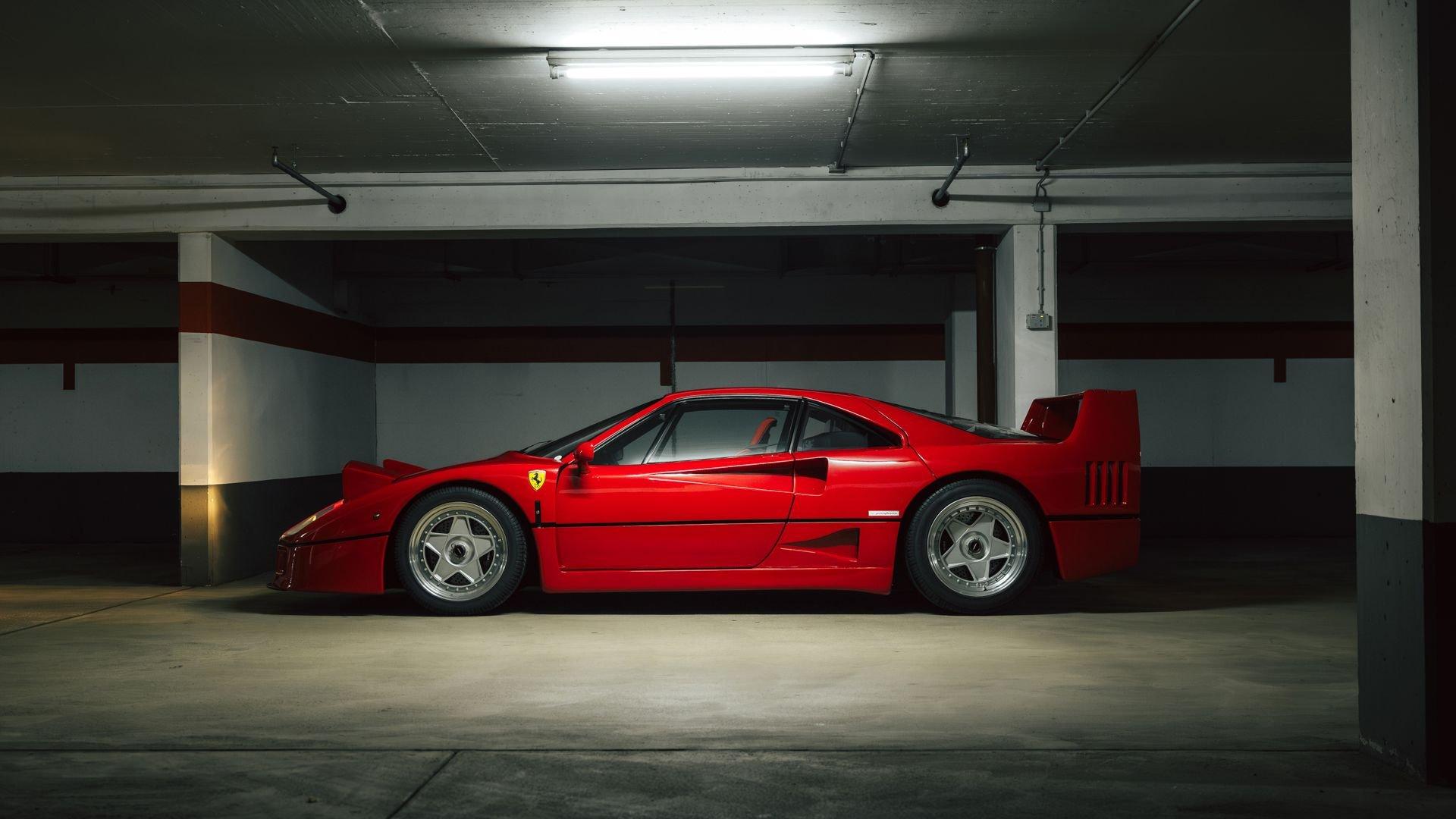
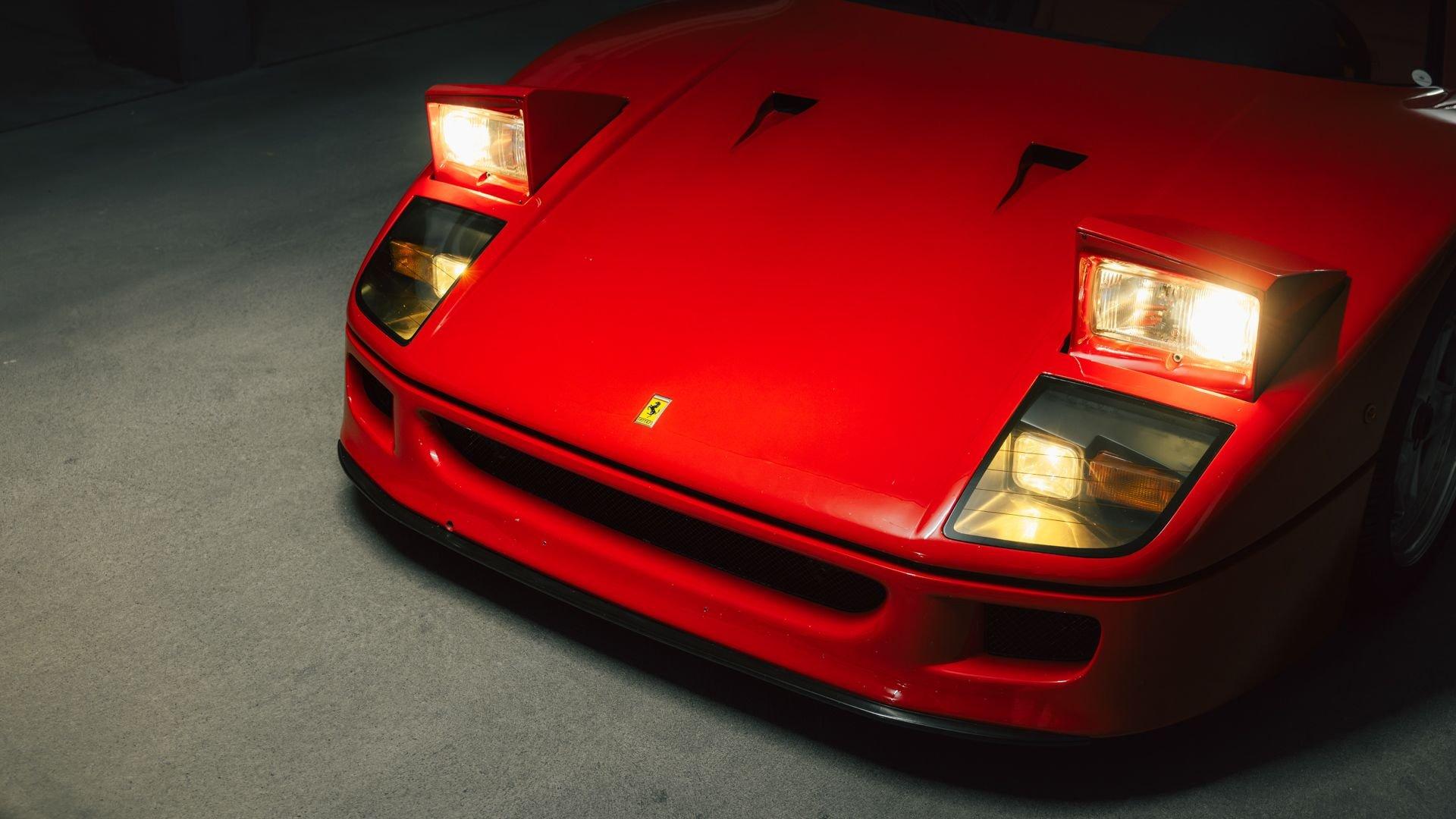
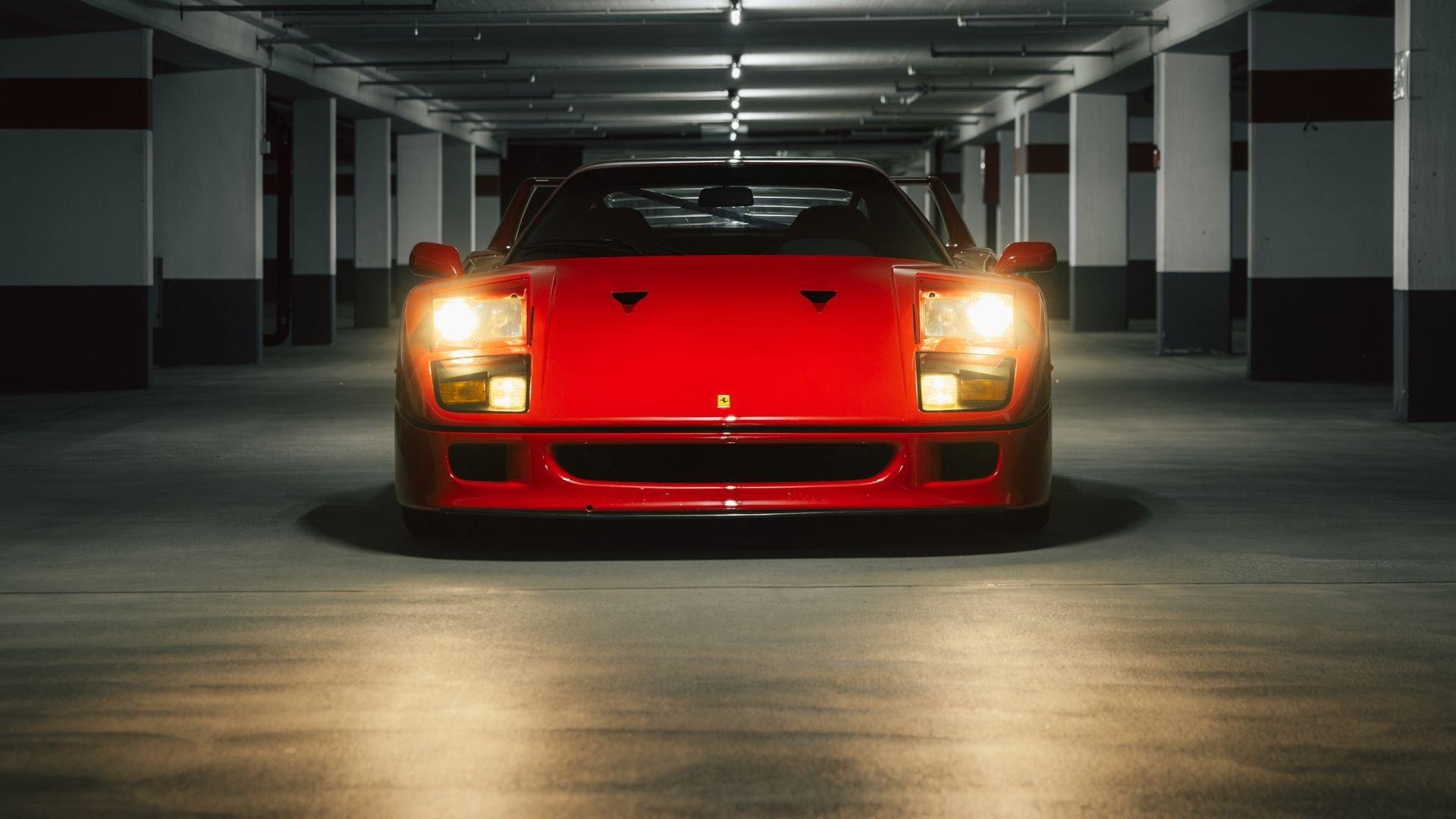
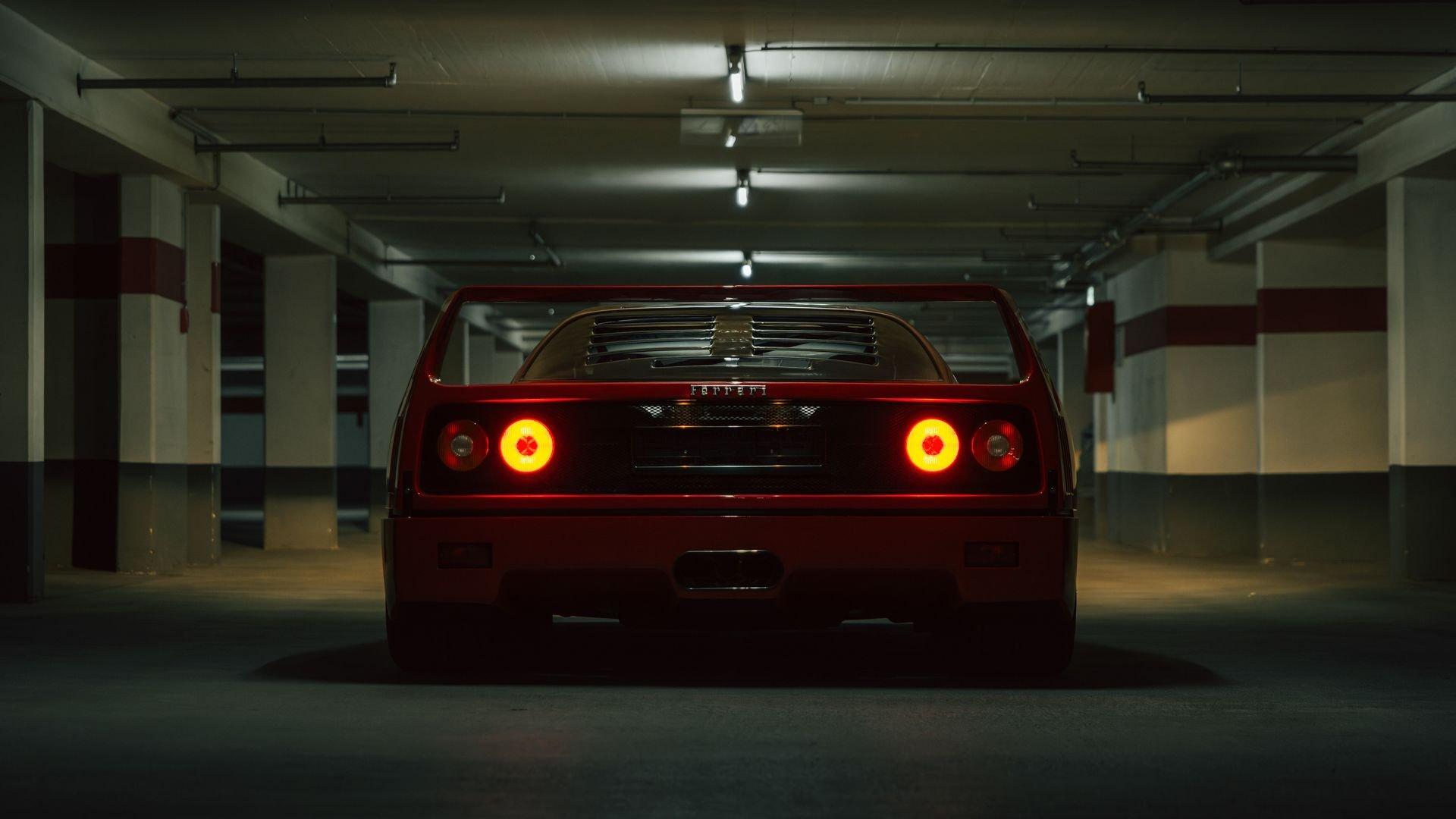
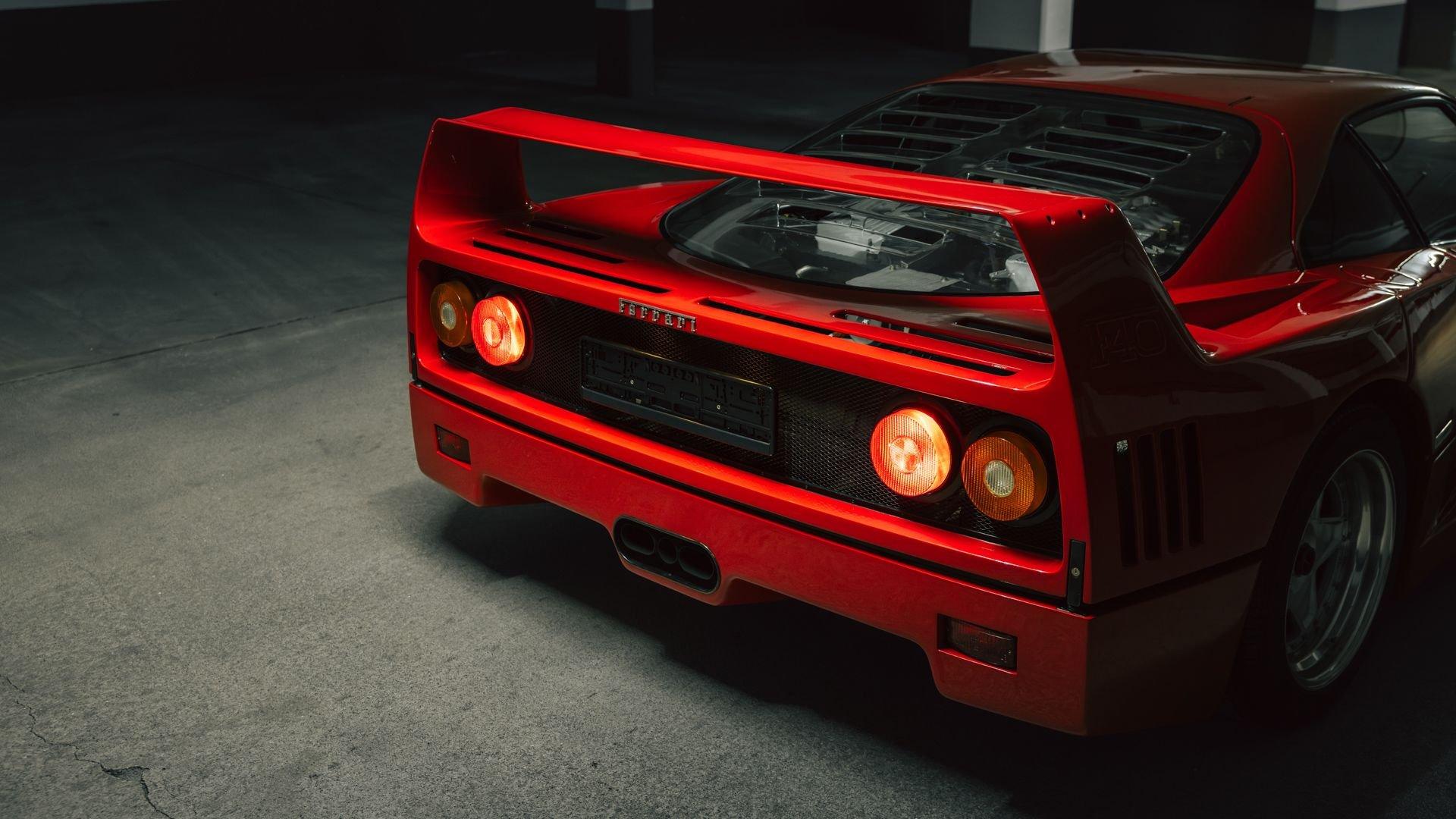
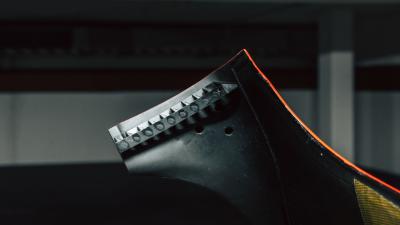
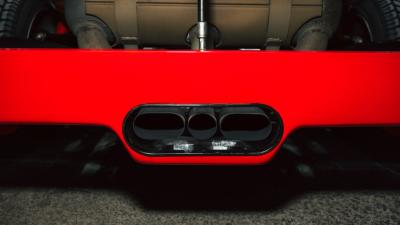
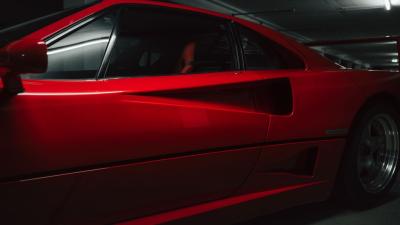
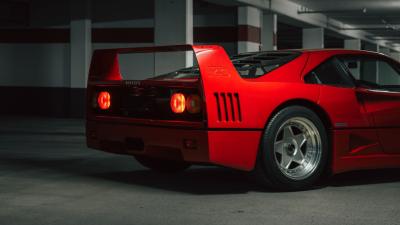
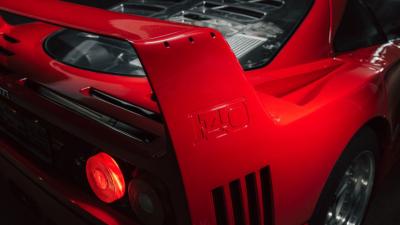
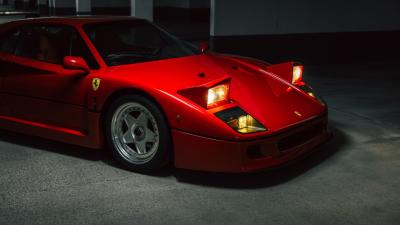
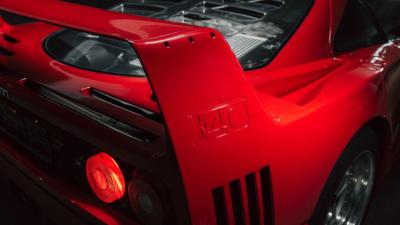
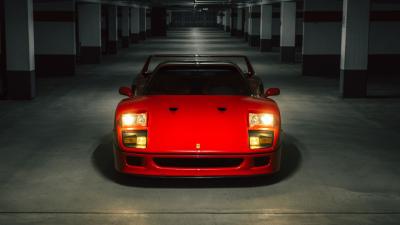
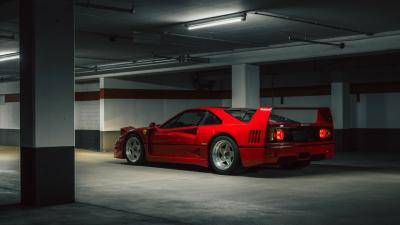
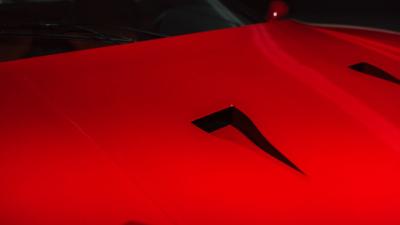
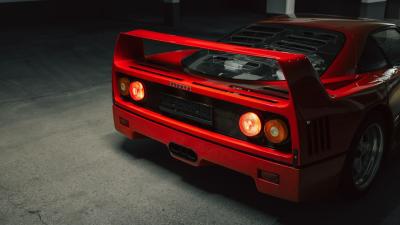
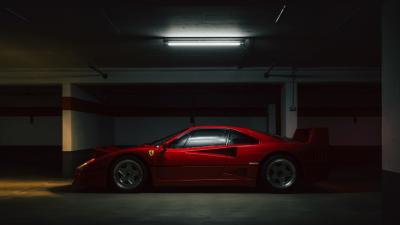
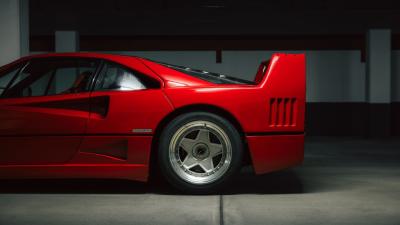
Overseeing the effort was Nicola Materazzi, widely regarded as the father of the project. Having joined Ferrari's Formula One department in 1979, he brought deep experience with forced induction, and his influence was felt throughout the final result. Designer Leonardo Fioravanti captured the atmosphere surrounding the program when he recalled, “When Enzo talked to me about his desire to produce a 'true Ferrari,' we both knew that it would be his last car.” That understanding informed the approach across the team, with extensive wind-tunnel work guiding aerodynamic optimization and a clear effort to ensure the car's appearance matched its intent, right down to the low nose, NACA ducts, and the rear spoiler that came to define the F40's now iconic silhouette.
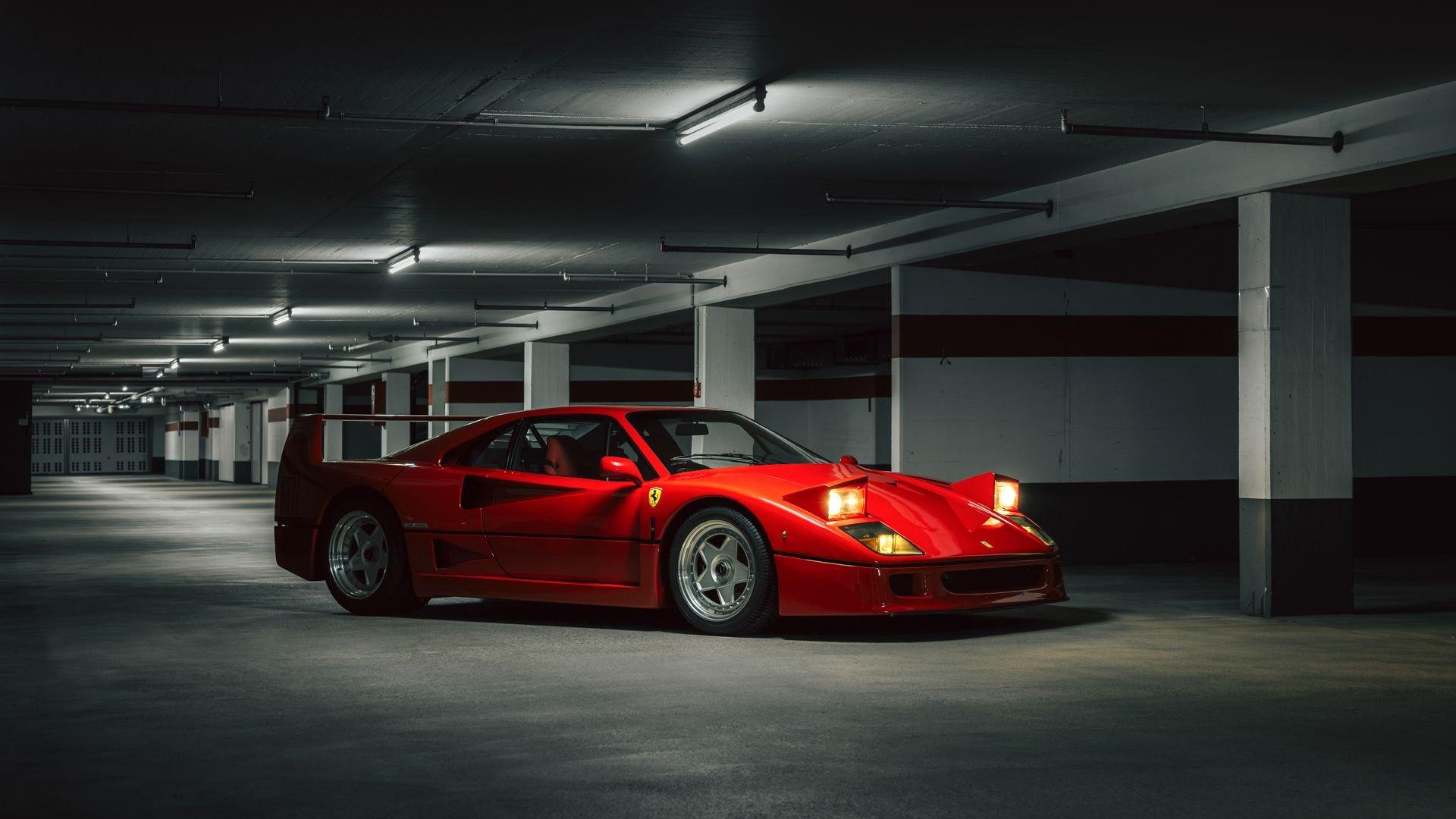
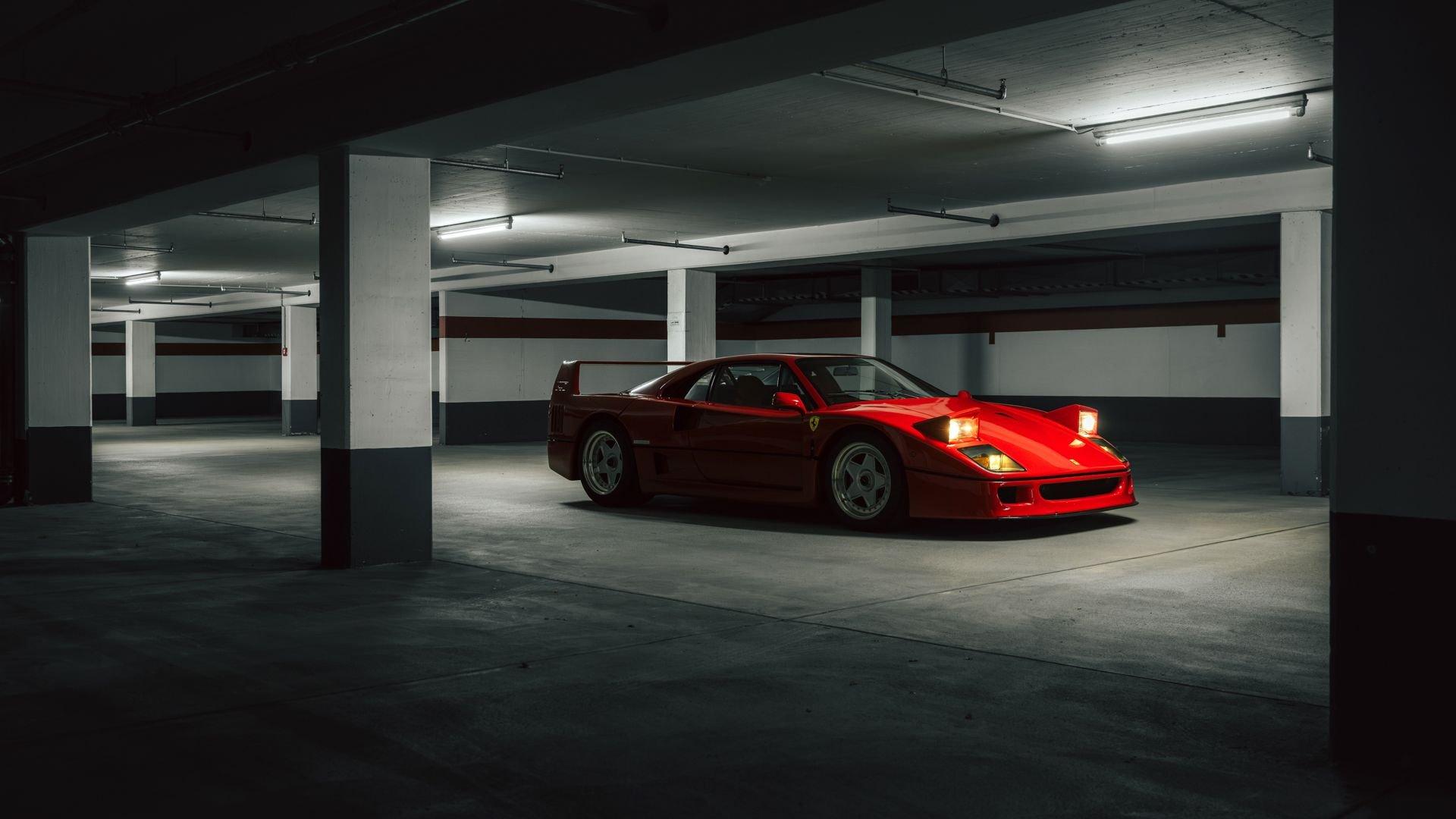
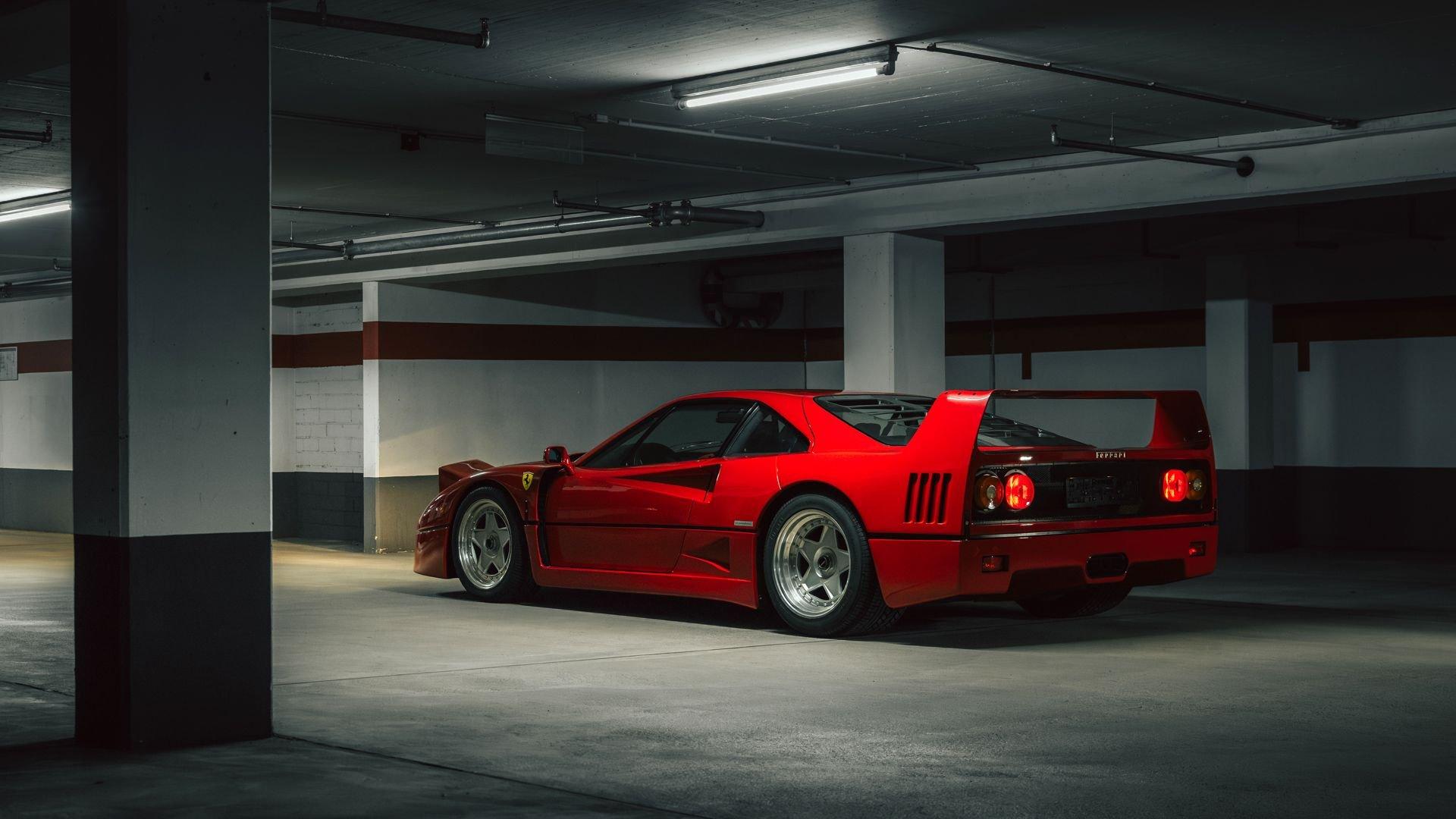
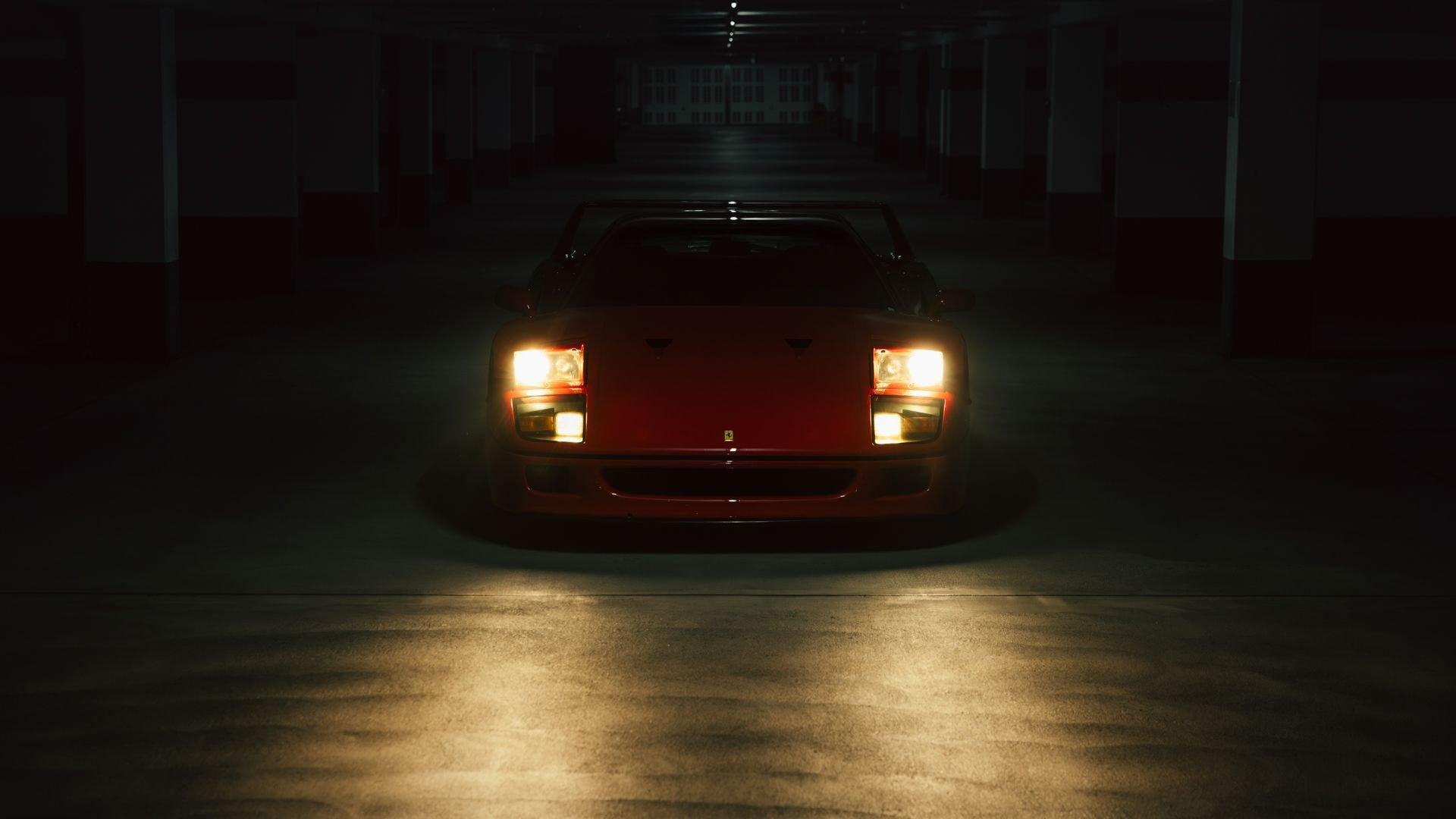
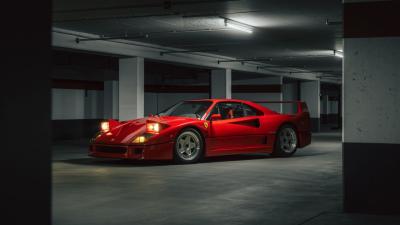
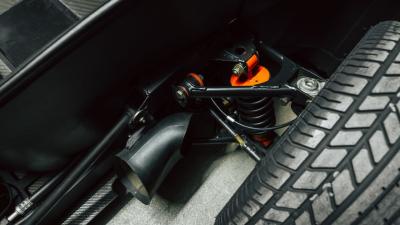
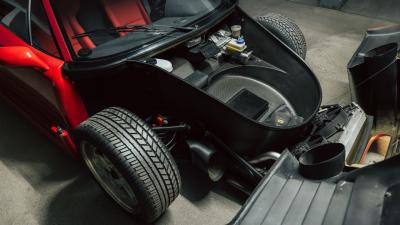
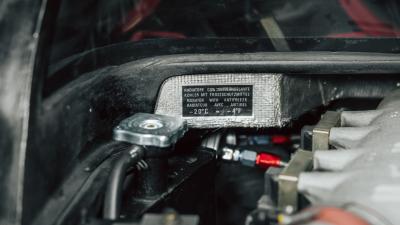
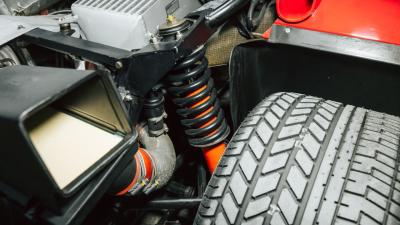
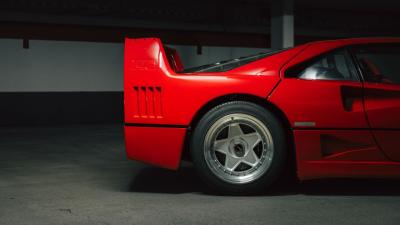
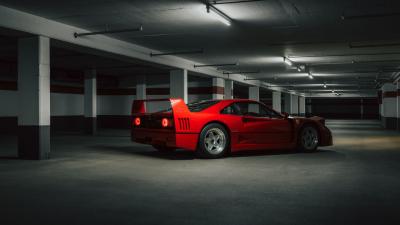
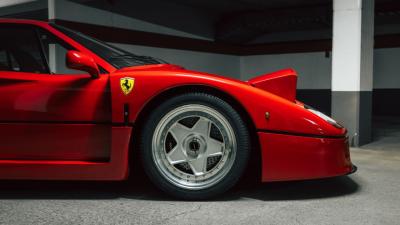
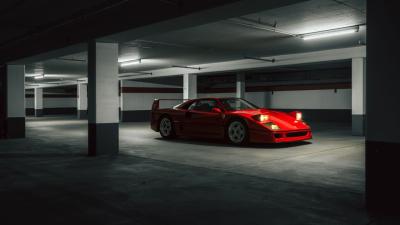
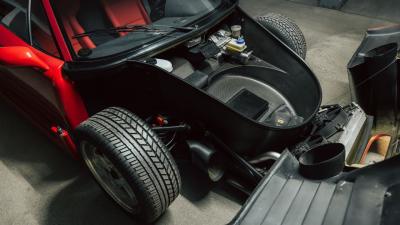
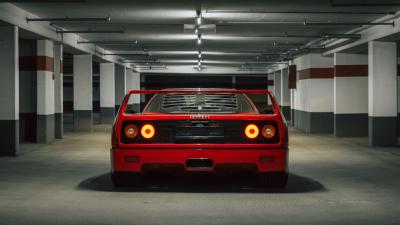
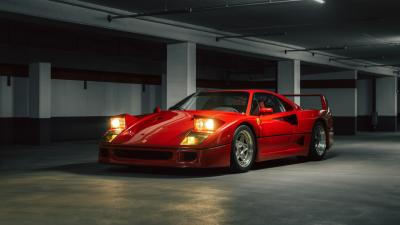
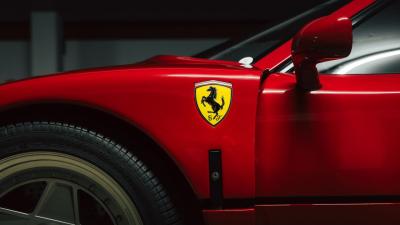
Initially, Ferrari refused to disclose how many F40s would be built and over what period so as to avoid a repeat of the spiraling secondary market of the 288 GTO. Chassis number 84105 was completed as one of the 1,311 production examples ultimately built, leaving Maranello on 26 January 1990 as a desirable European-market car. As such, it is prized by collectors as a ''non-cat, non-adjust'' example-built before the catalytic converters and adjustable suspension were introduced in 1991, and widely considered the purest, most uncompromised expression of the model.
According to a history report compiled by marque historian Marcel Massini, chassis 84105 was dispatched via Ferrari Deutschland GmbH to official dealer S+T GmbH of Munich, where it was purchased new by Herbert Gruber of Günzburg, Germany, and registered on plates ''GZ-AE 9.'' The first owner used the car actively throughout Europe in the early 1990s, with the F40 notably appearing at the 1991 AvD-Oldtimer-Grand Prix at the Nürburgring and the Ferrari F40 meeting at Mugello the following year.
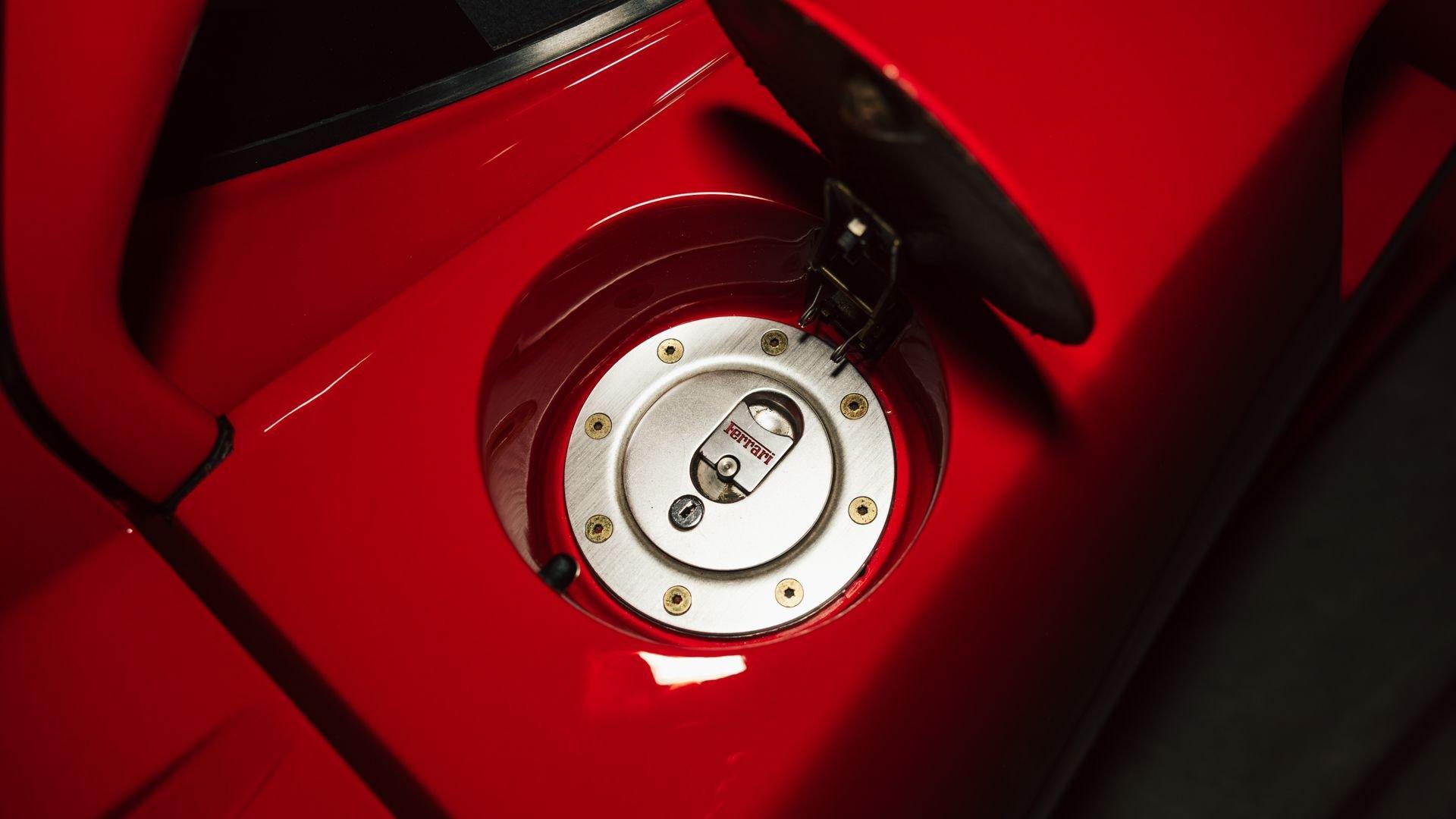
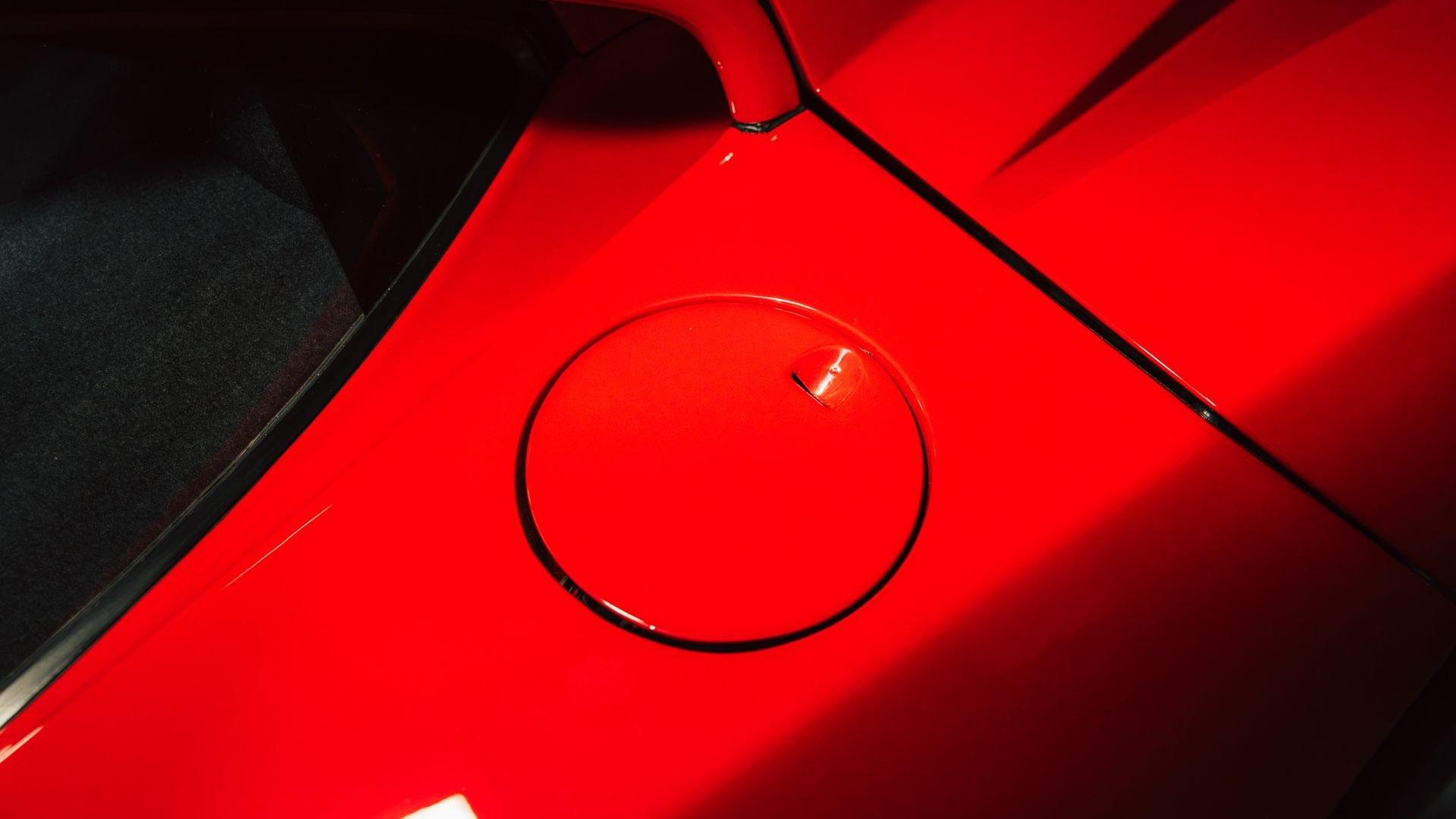
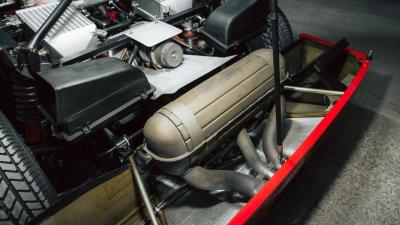
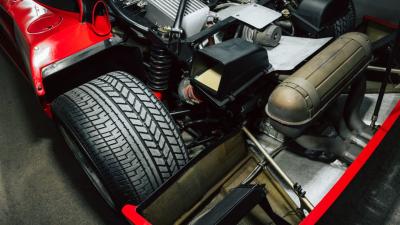
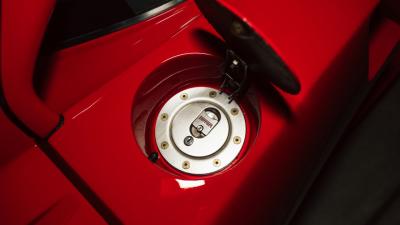
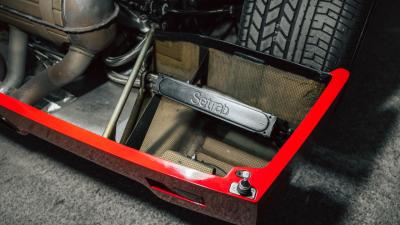
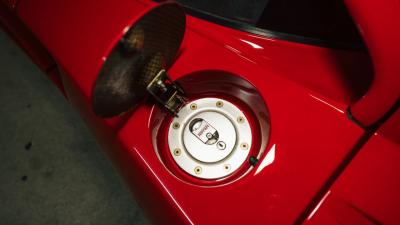
After 17 years and approximately 31,000 km, Mr. Gruber reportedly sold the car to fellow countryman Harald Bader of Neu-Ulm around 2007, who maintained its active life on the event circuit-including the Ferrari Racing Days at Hockenheim that same year. Following nearly a decade of ownership, Mr. Bader sold the car in 2015 to Peter Wiesner of Salzburg, Austria, under whom it continued to be shown at notable events, including the 2018 AvD-Oldtimer-Grand Prix at the Nürburgring and the Auto e Moto D'Epoca show in Padova, Italy. Importantly, throughout Bader and Wiesner's tenures, the F40 benefited from documented care by a number of respected marque specialists, including Auto-König Italia Automobili, Scuderia Auto-Neuser, Autowerkstatt Ludescher, and Autohaus Pichler, supported by numerous invoices on file. Significantly, the accompanying records indicate that both fuel tanks were replaced in 2007, with later fuel-cell certification documentation on file showing validity through October 2029.
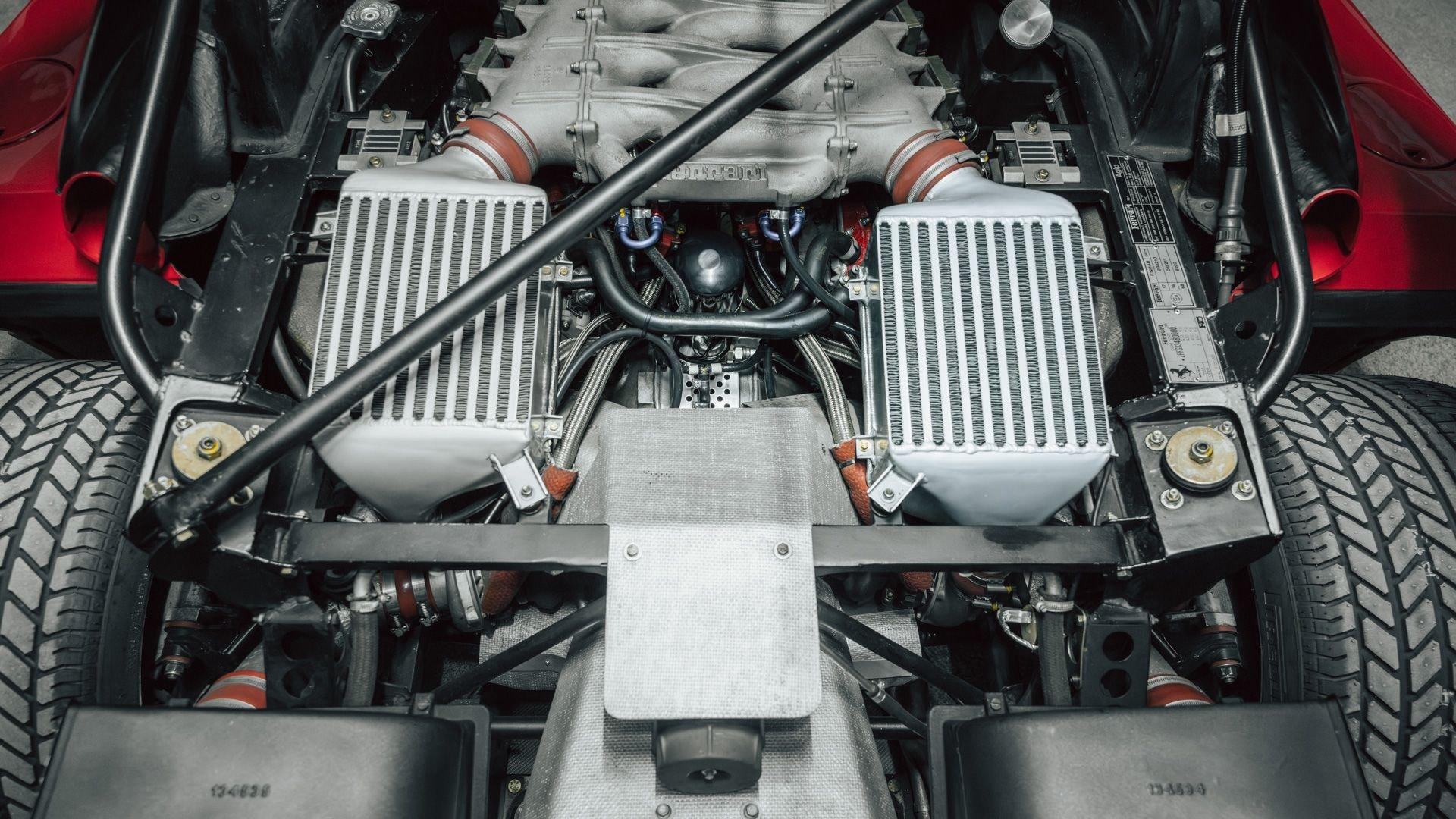
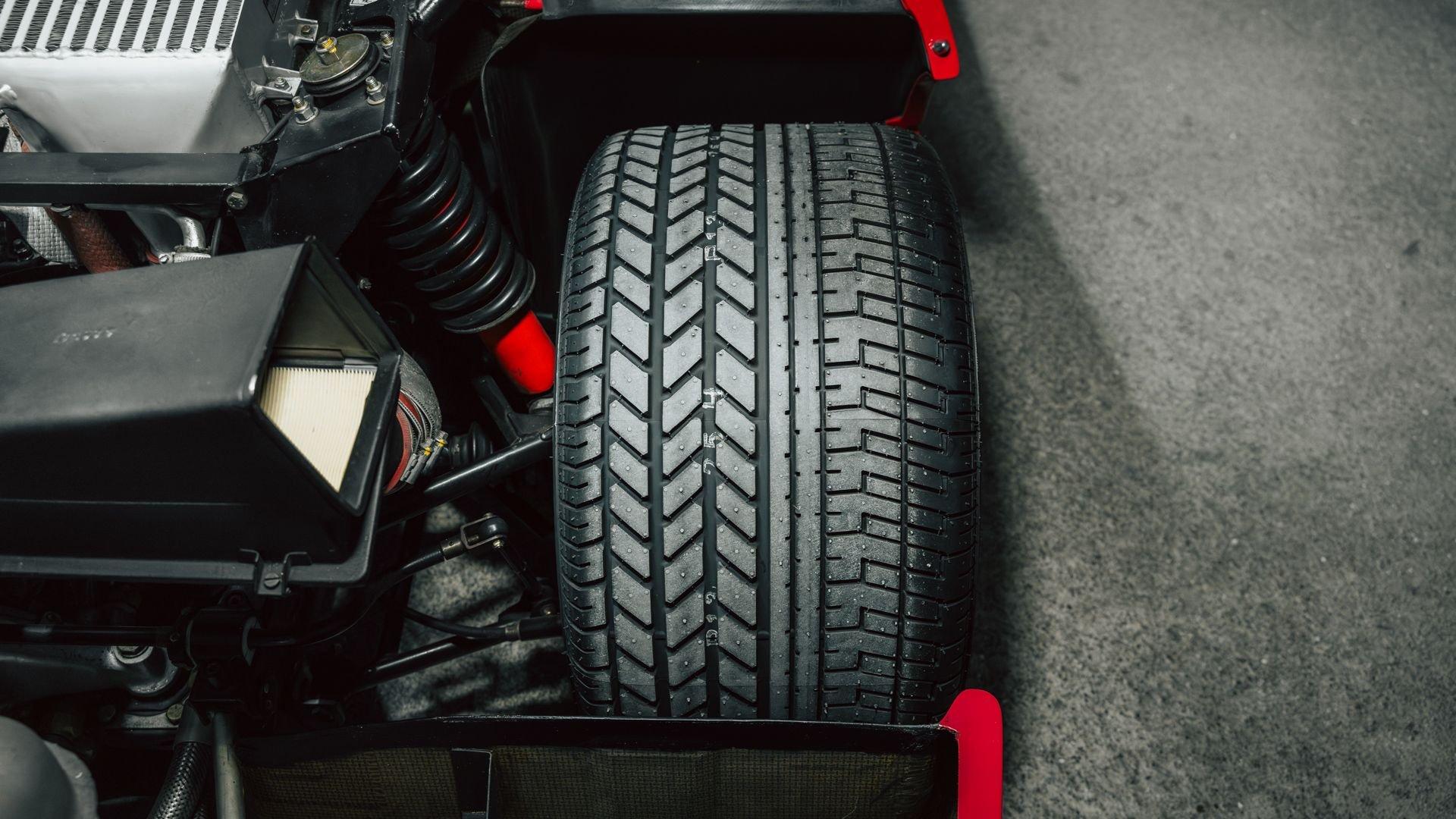
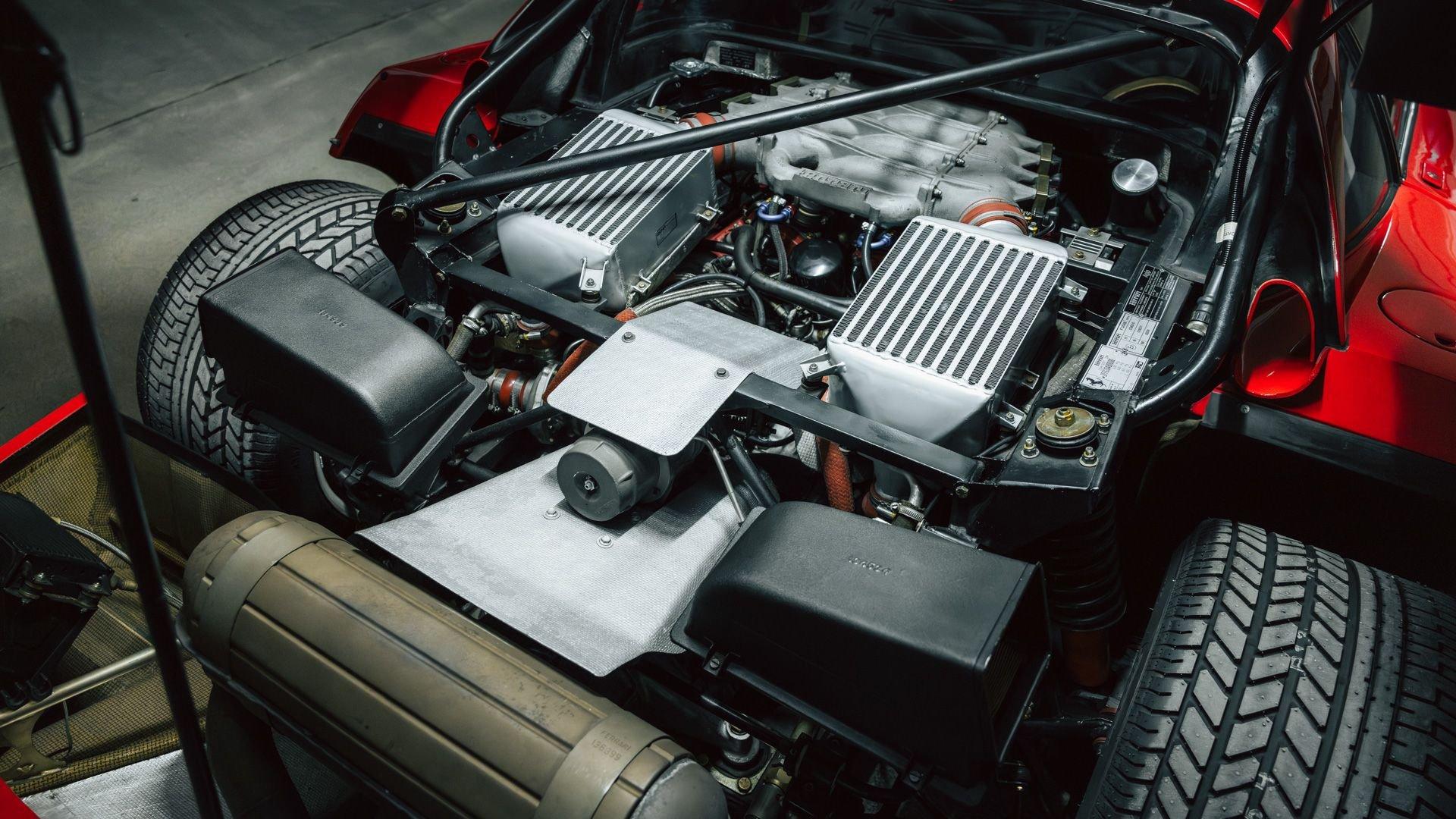
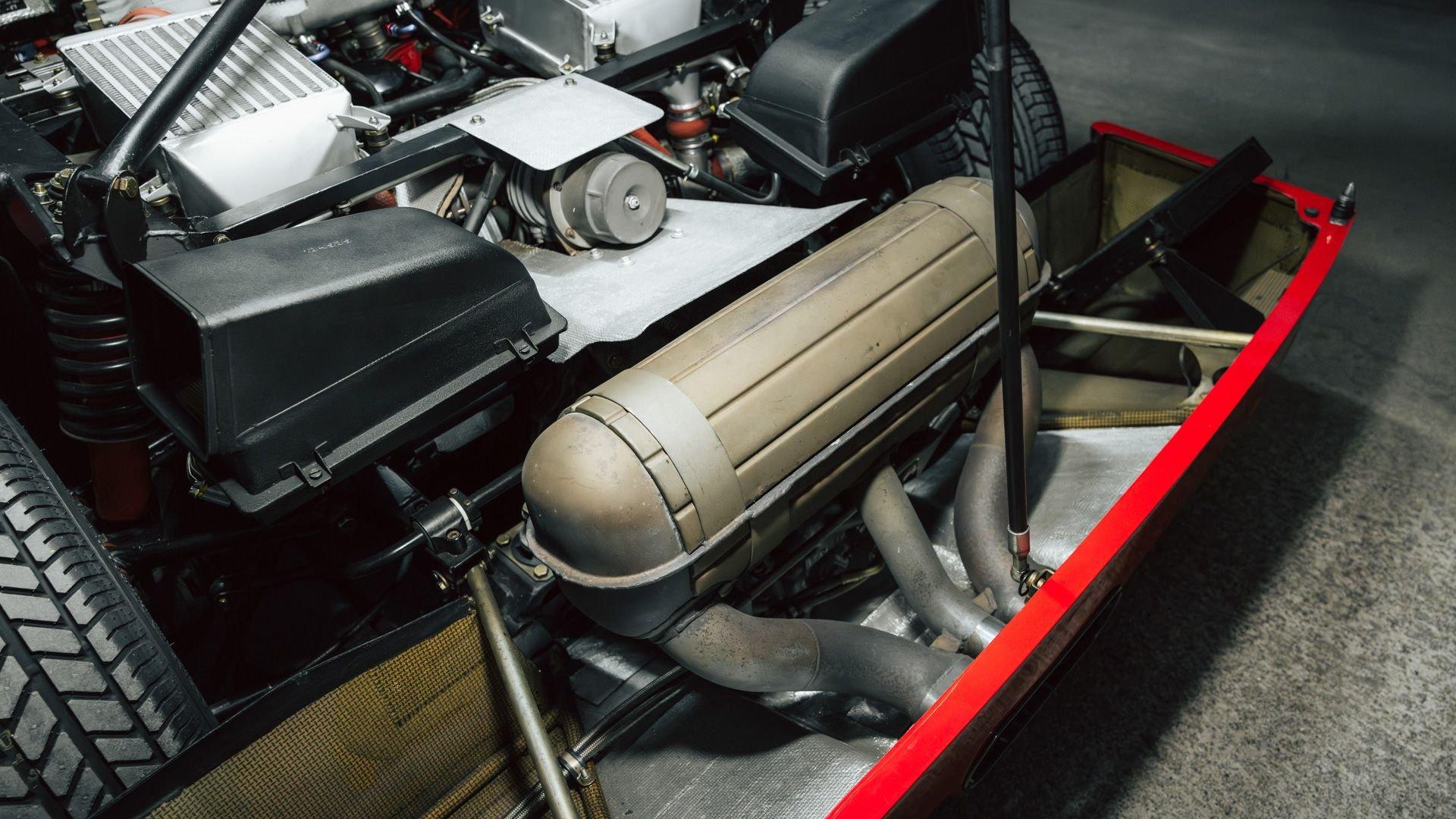
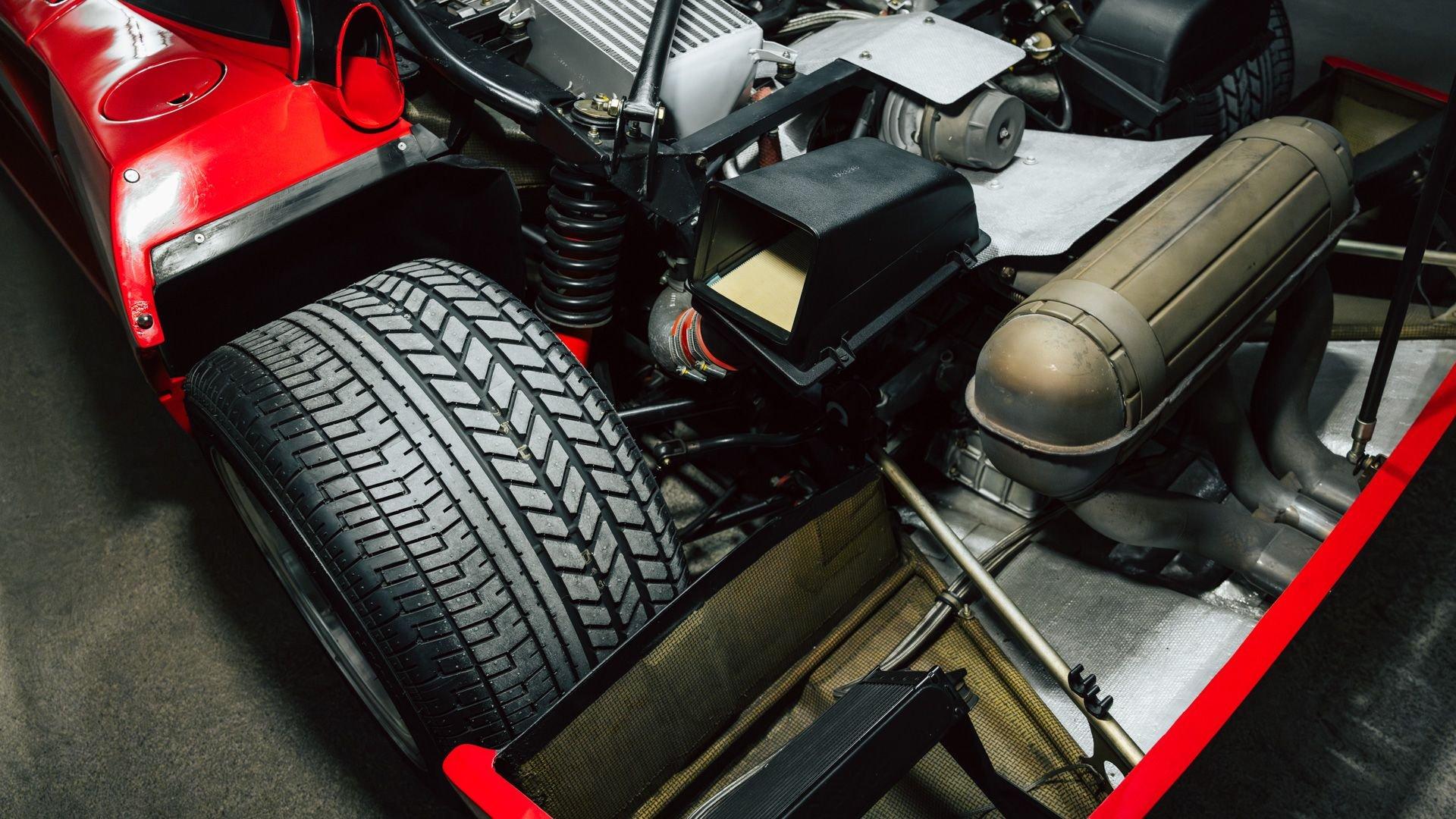
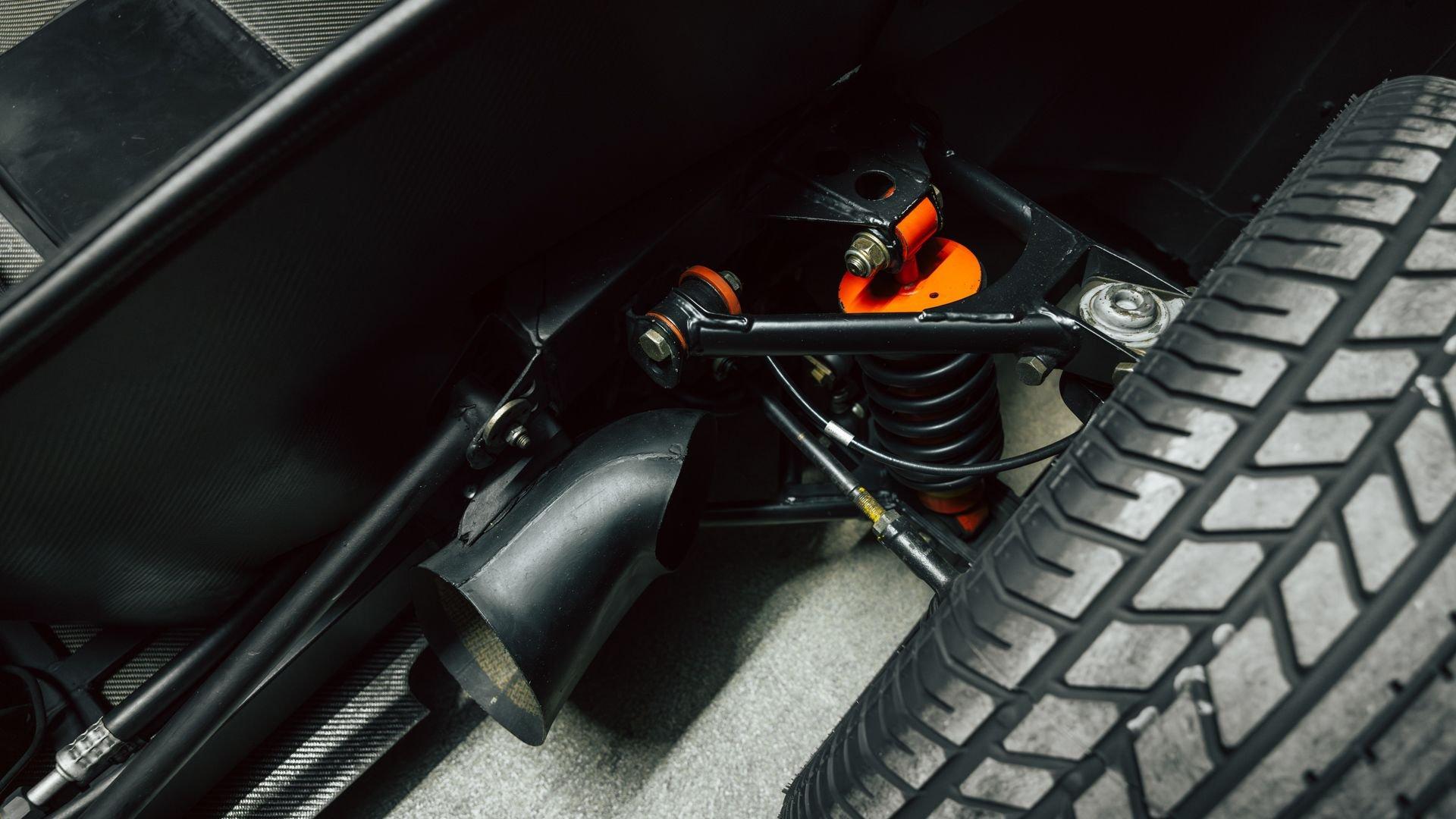
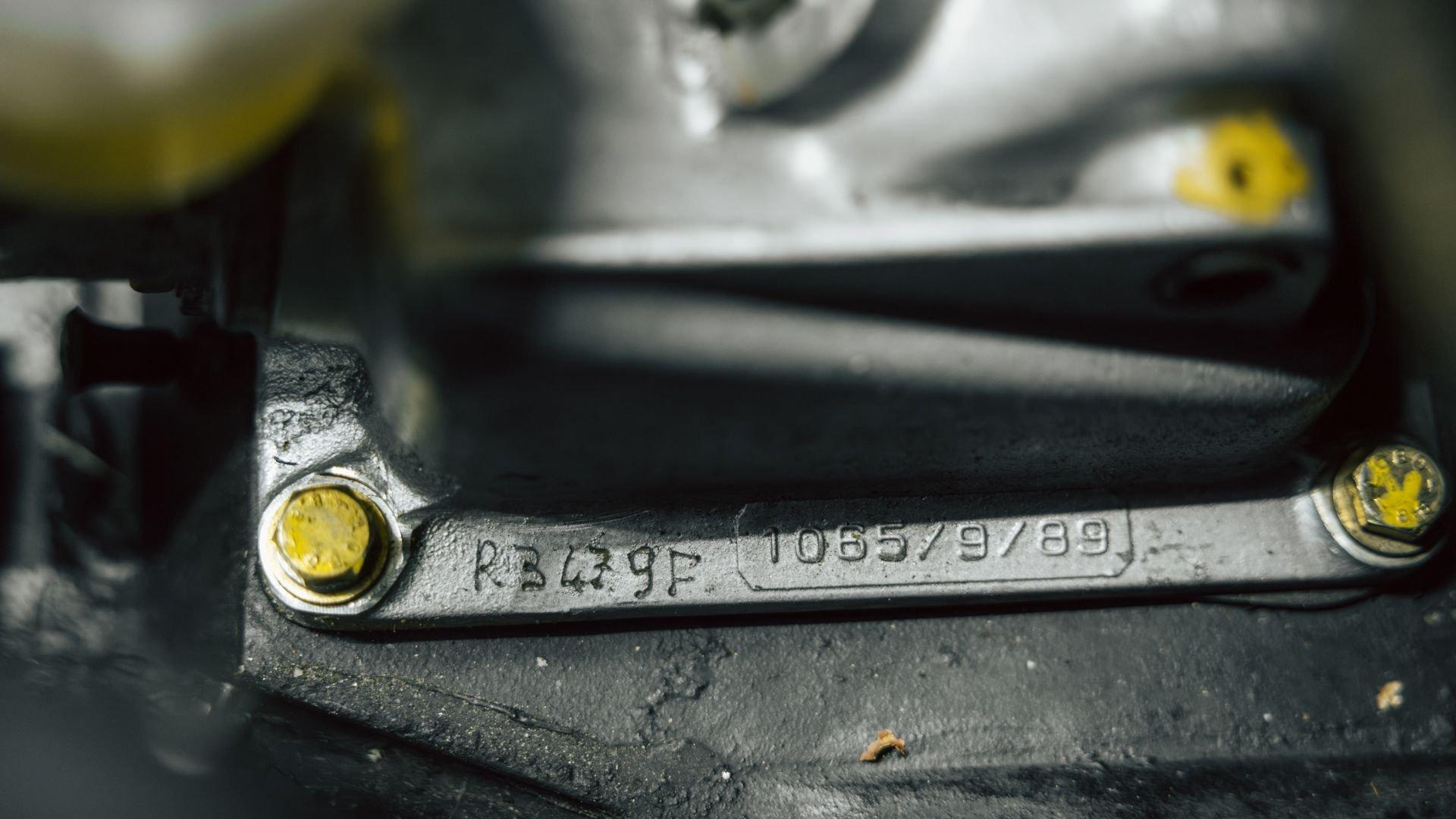
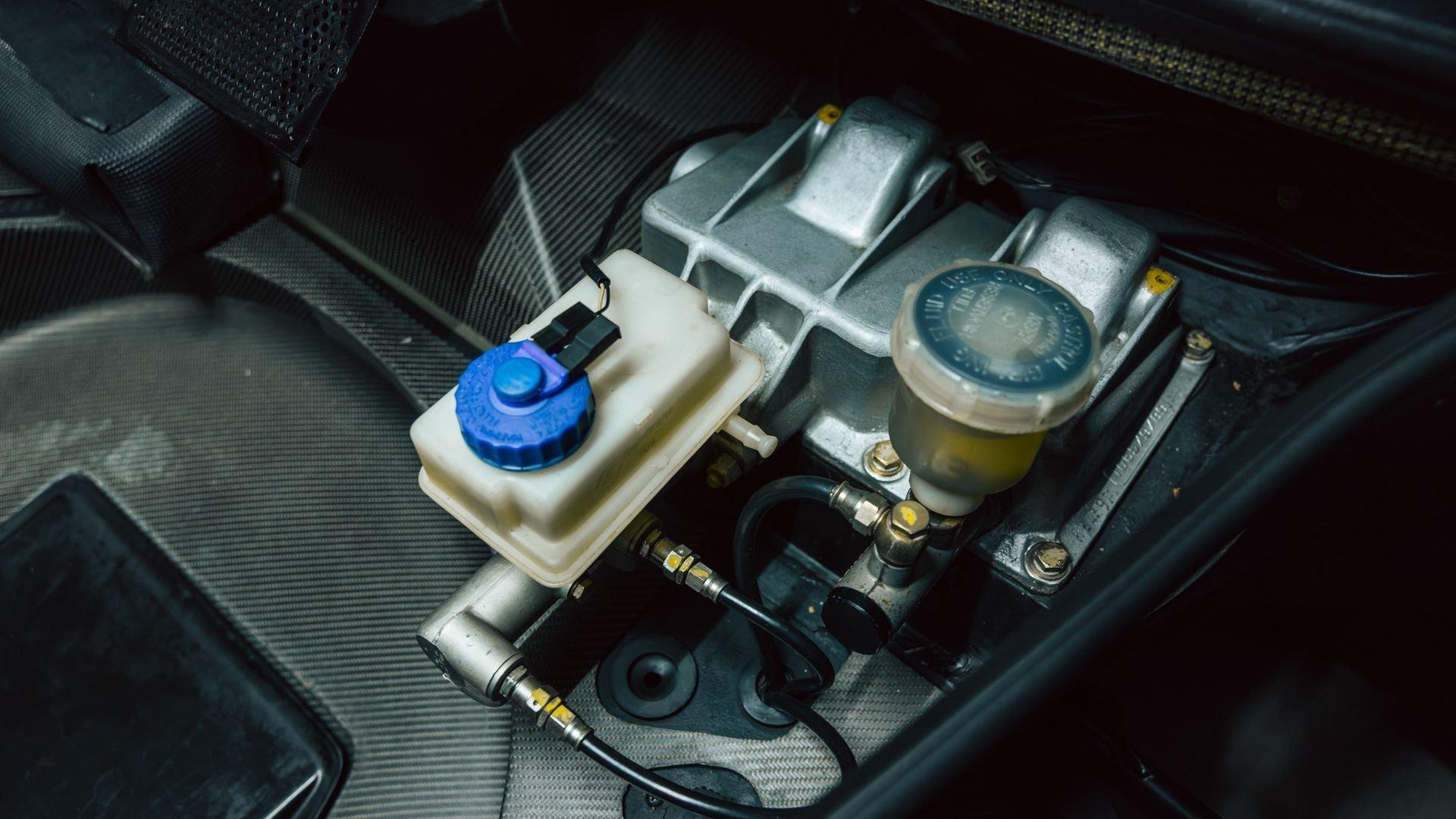
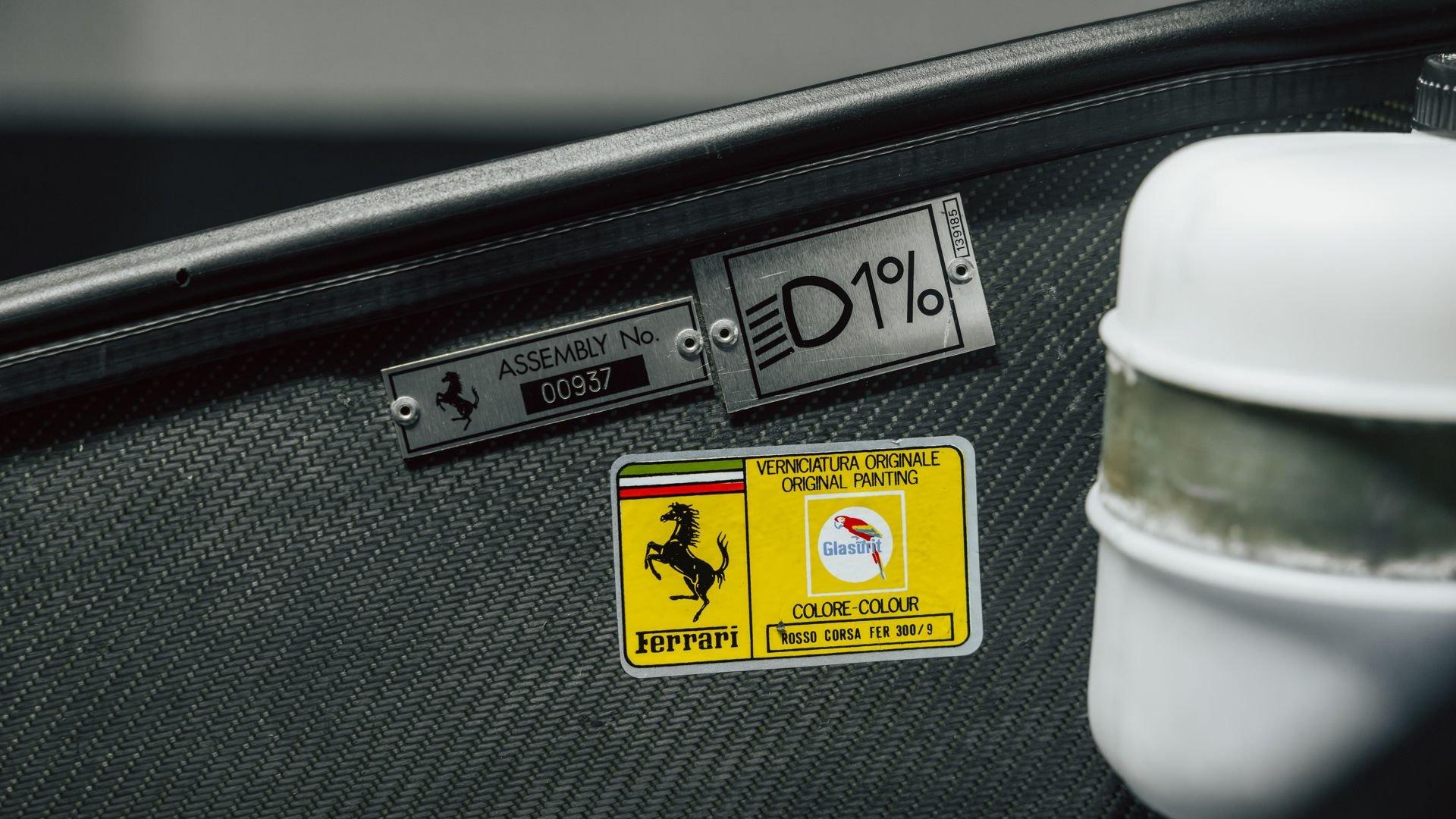
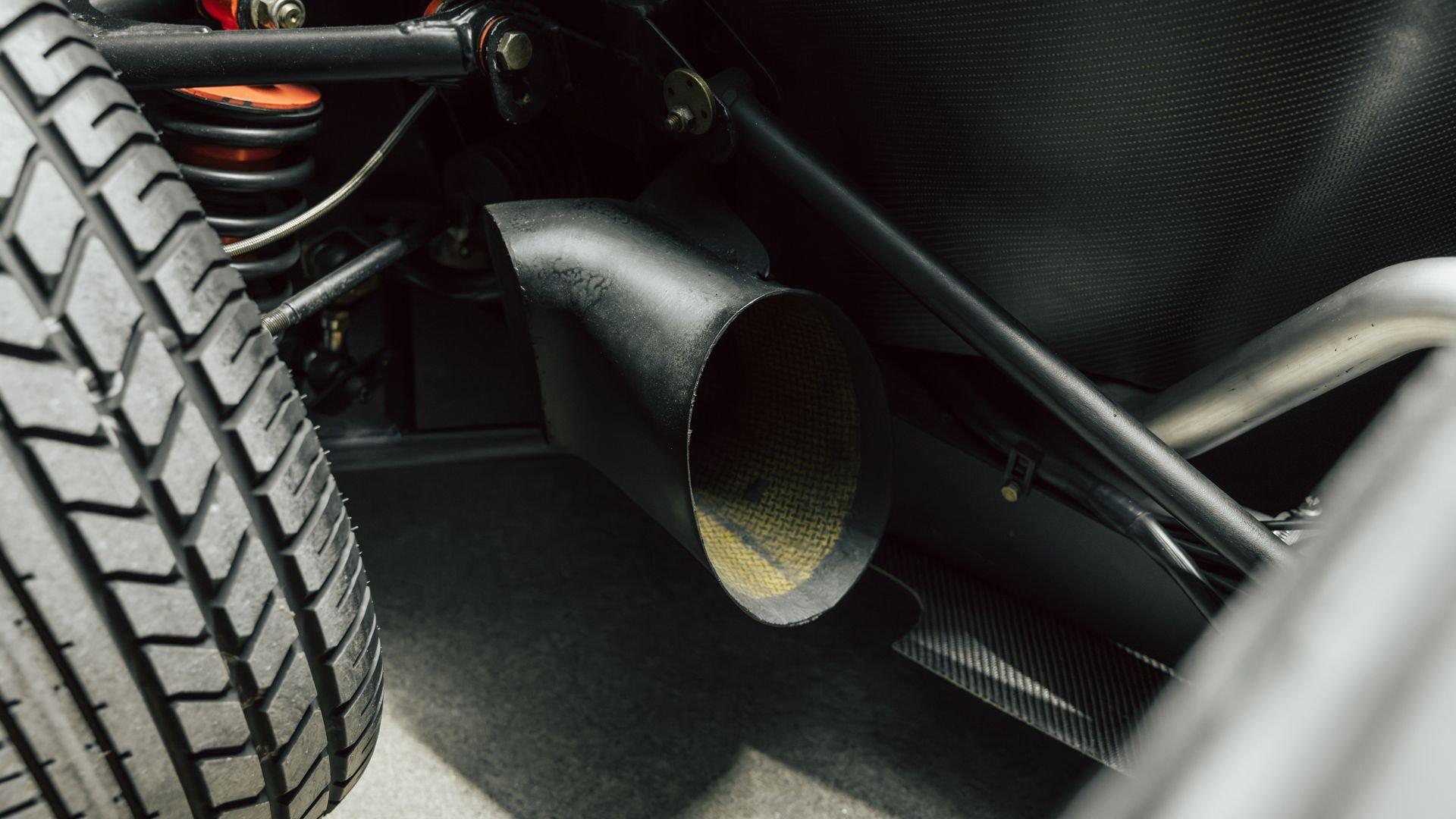
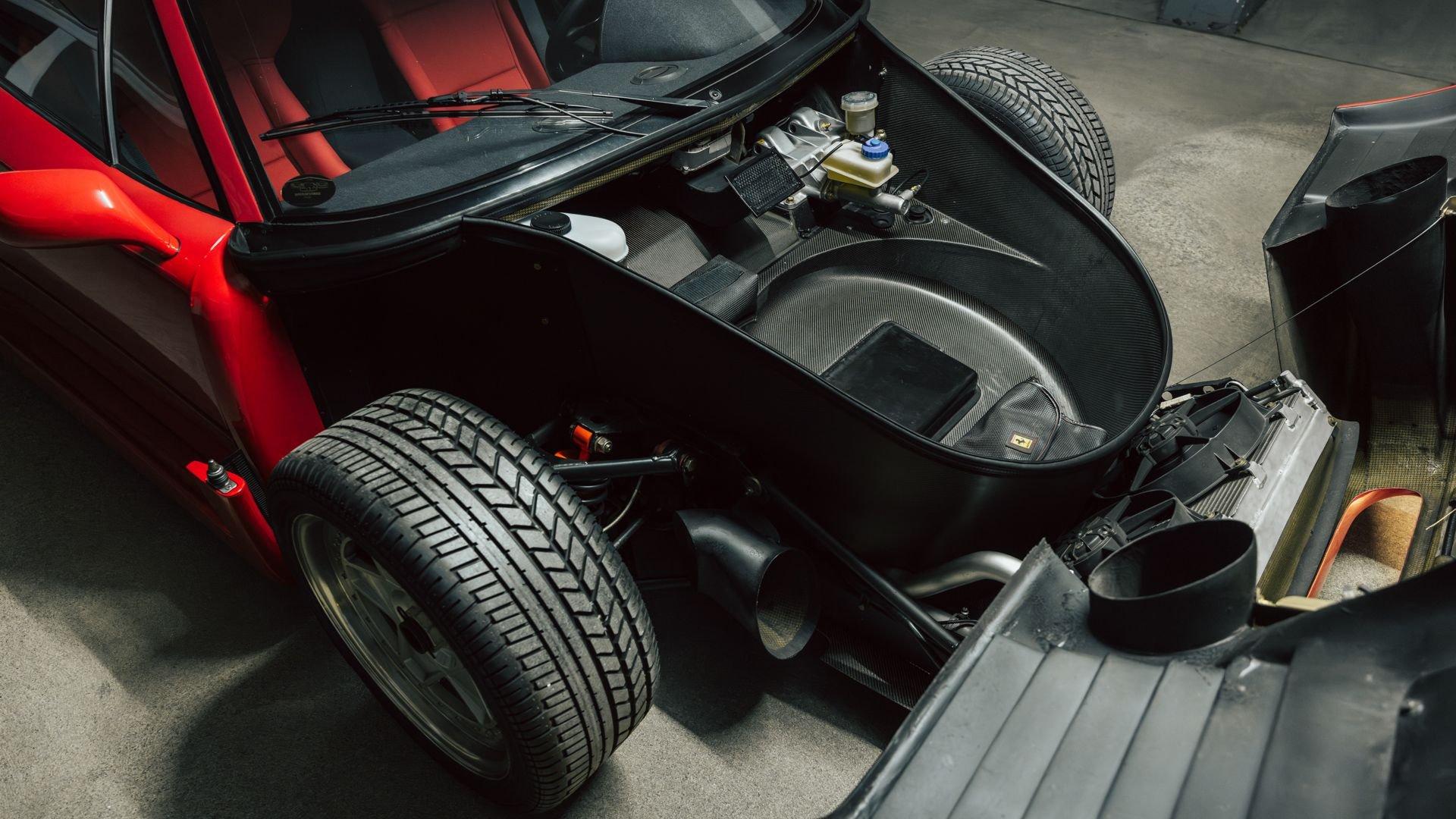
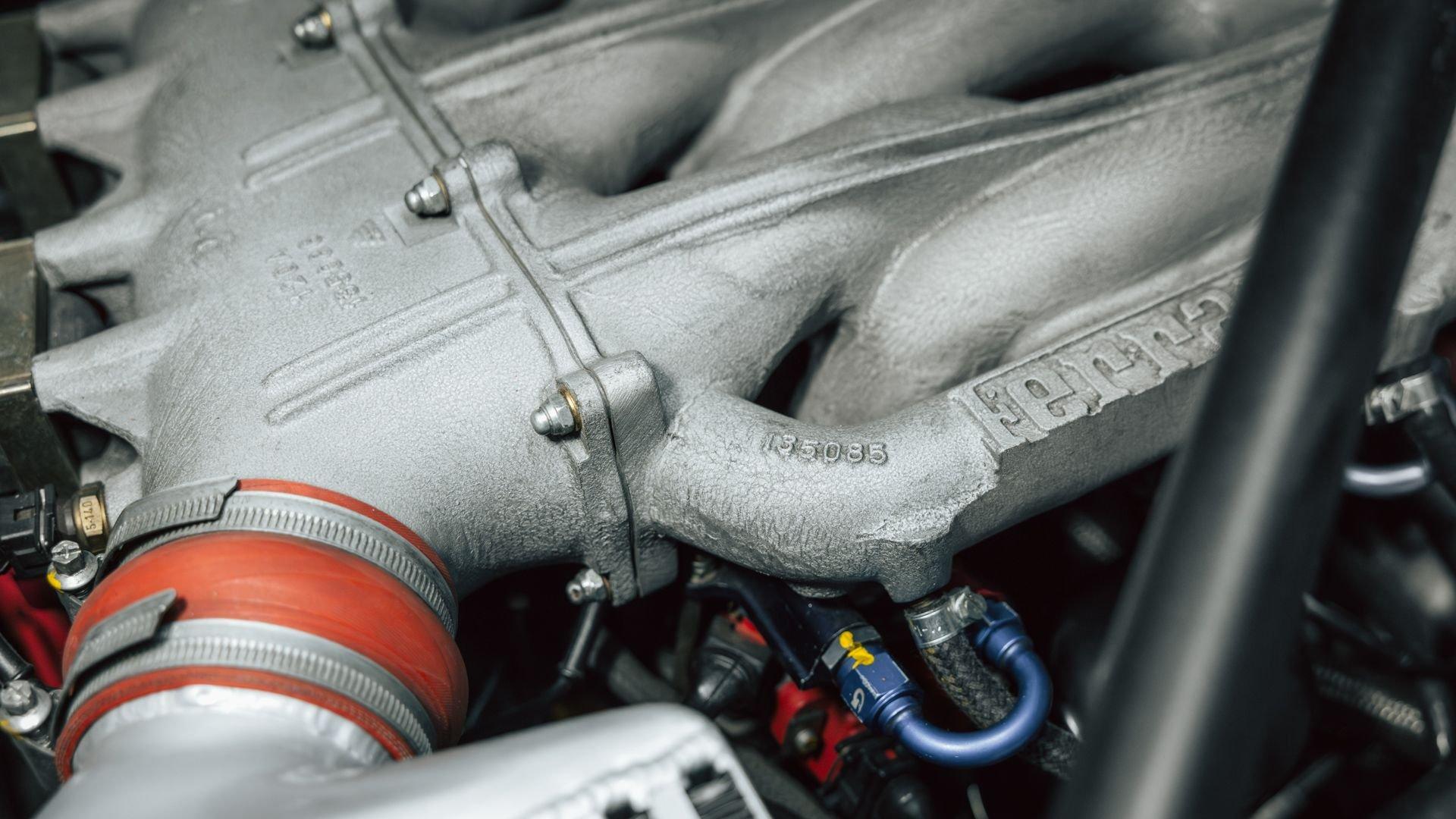
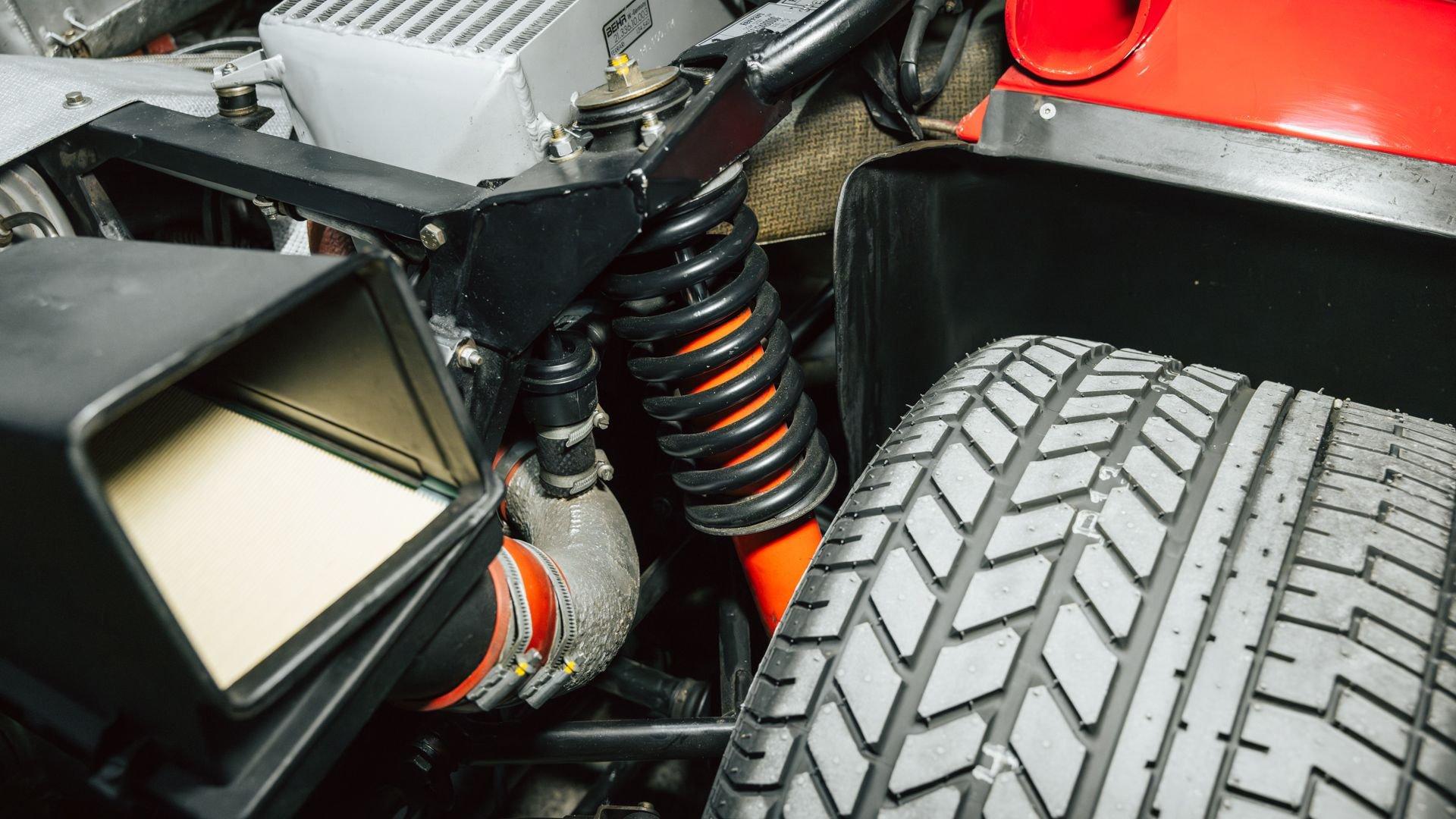
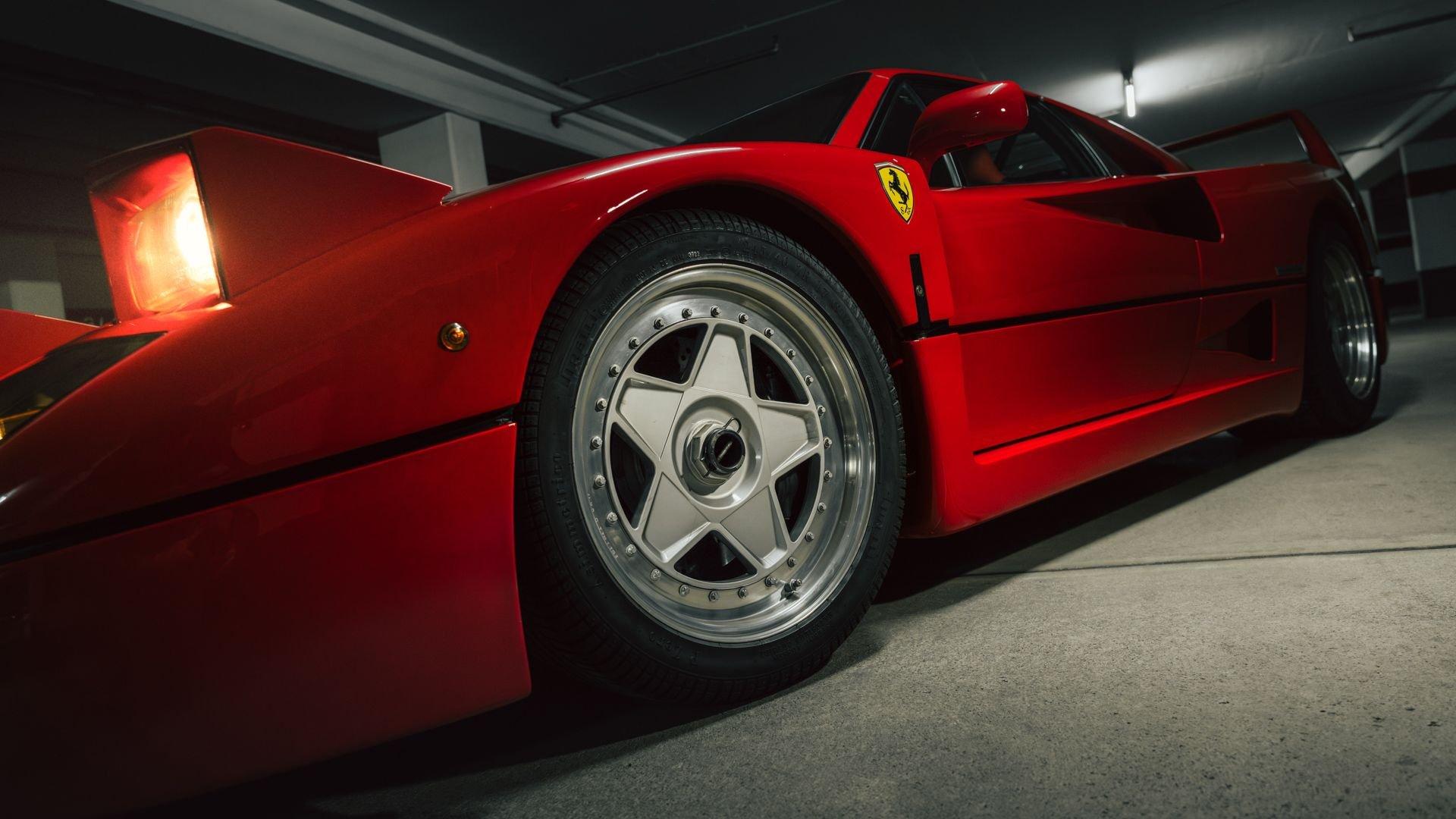
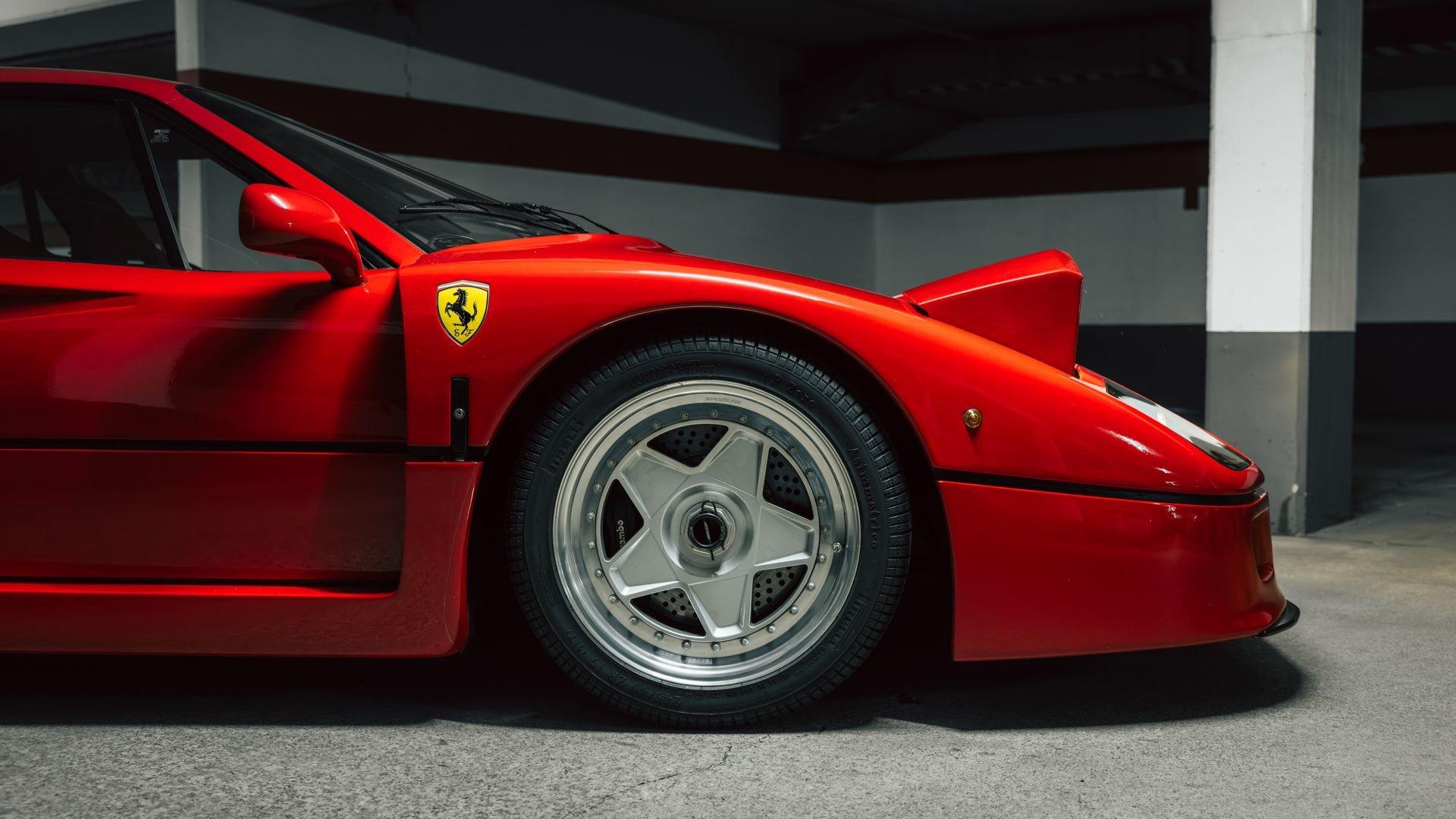
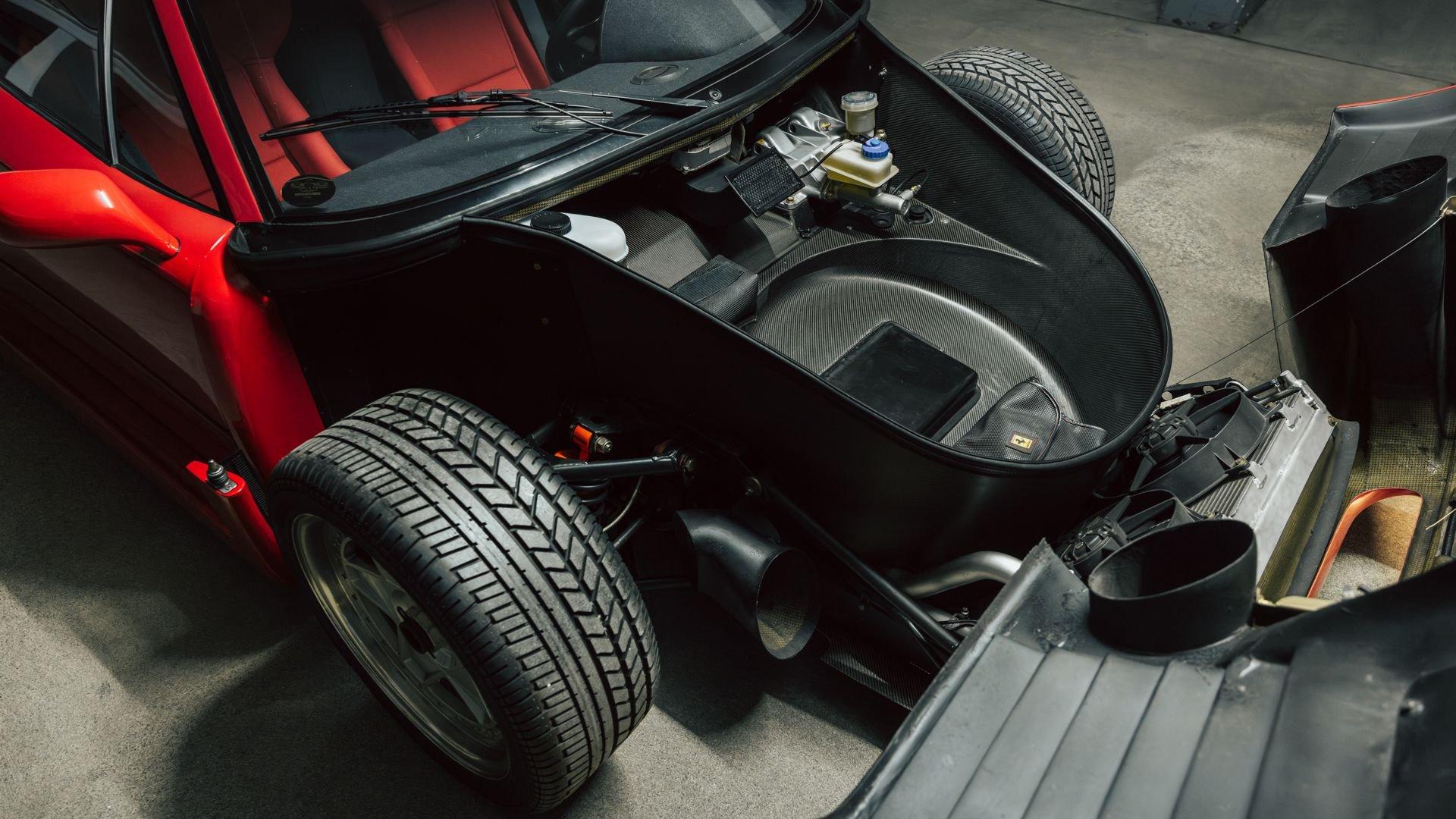
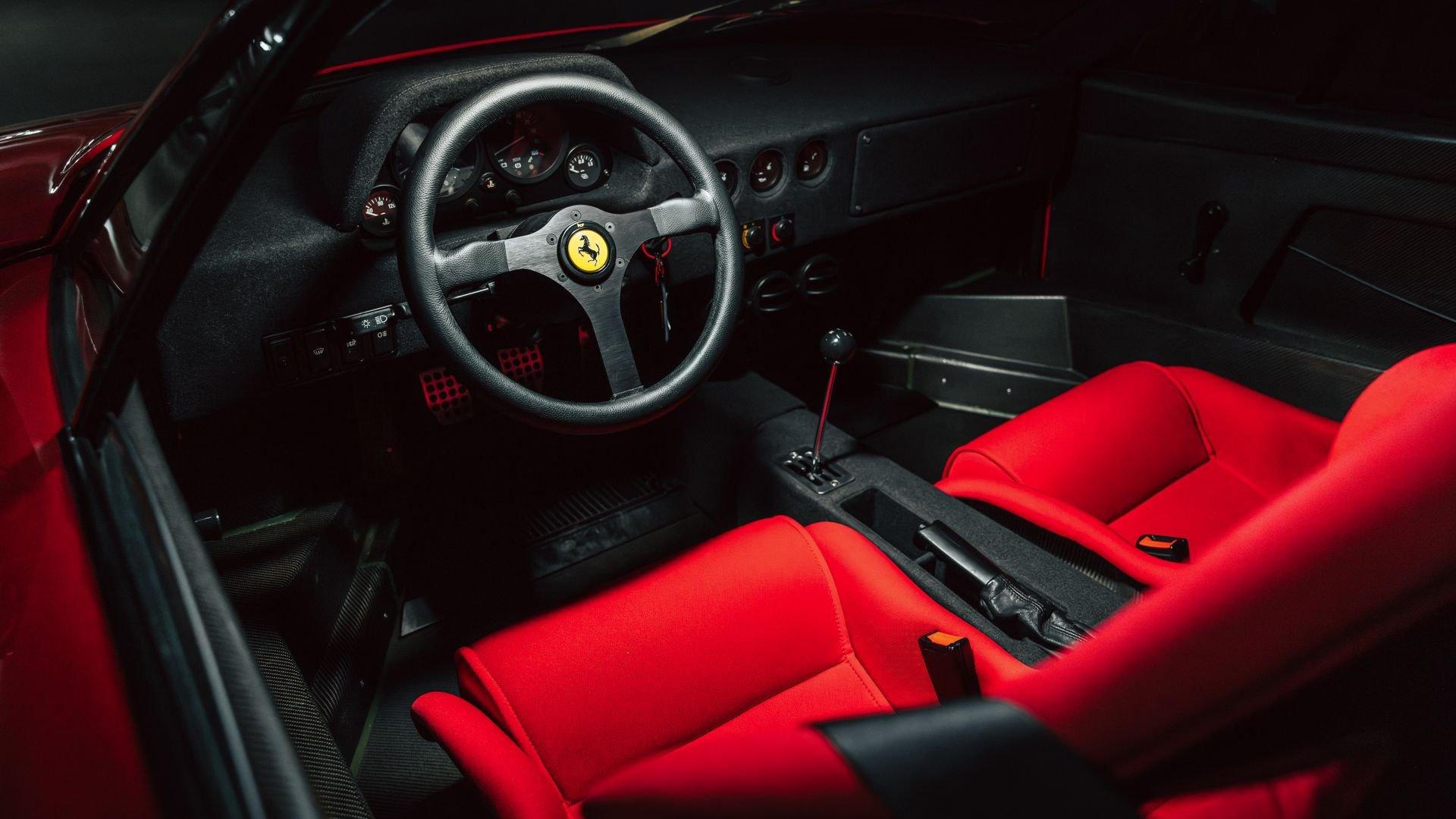
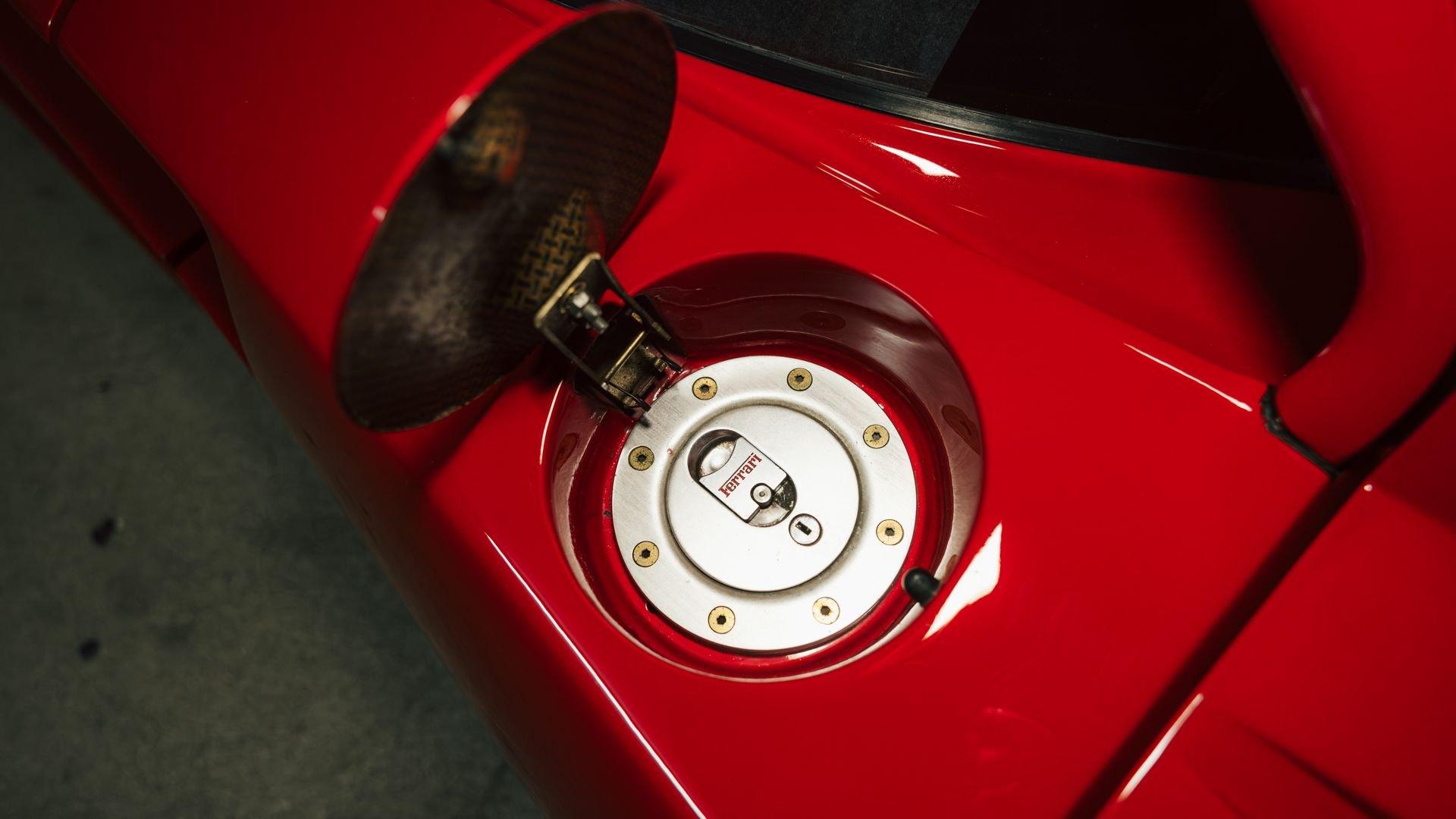
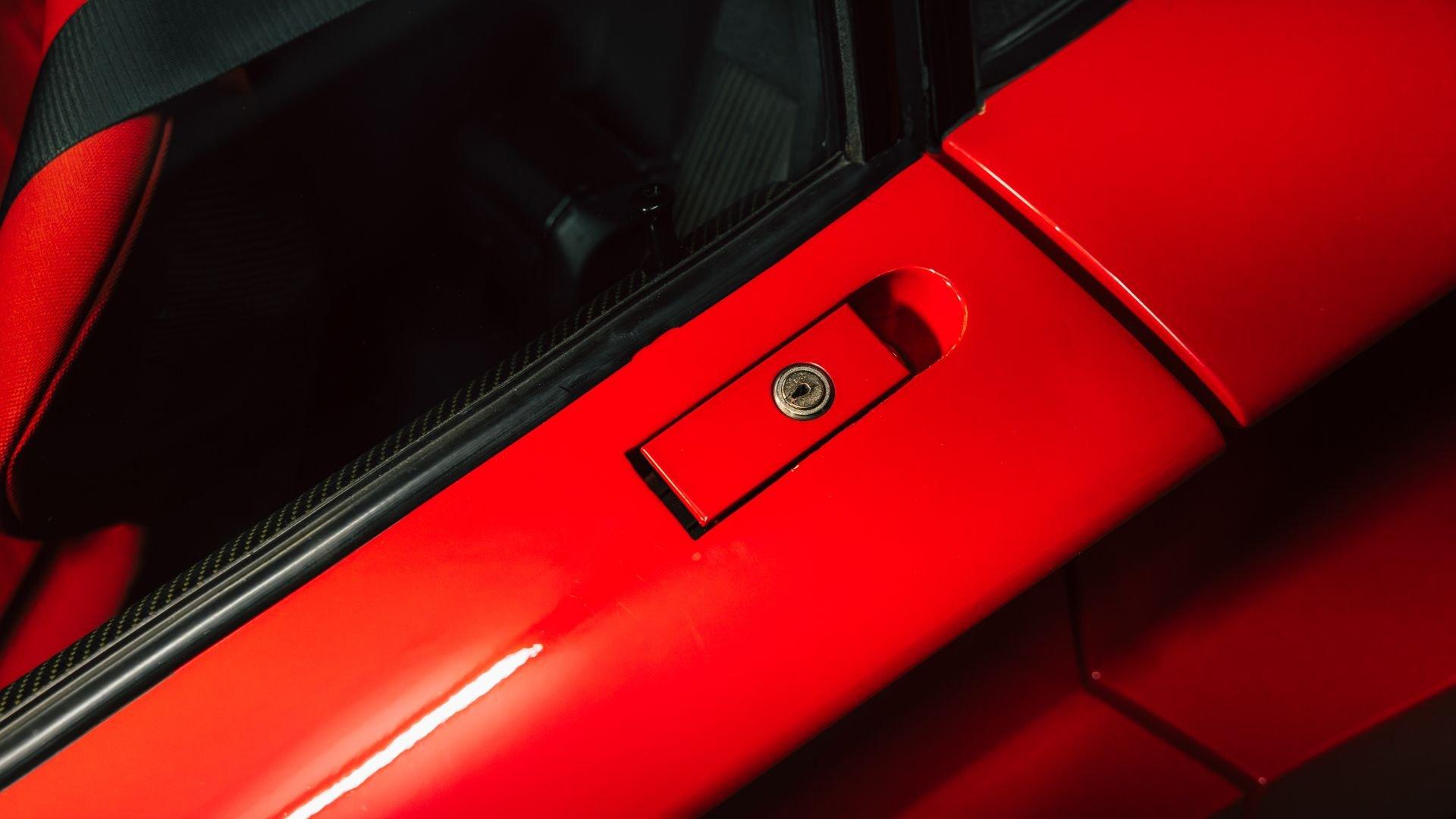
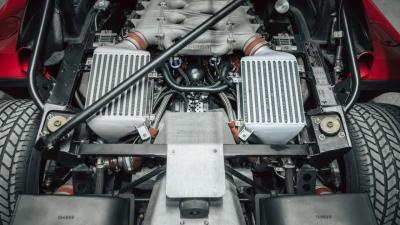
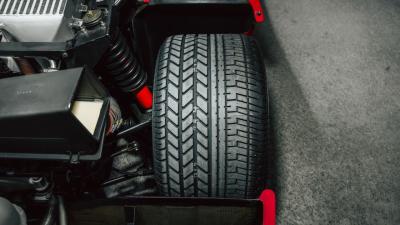
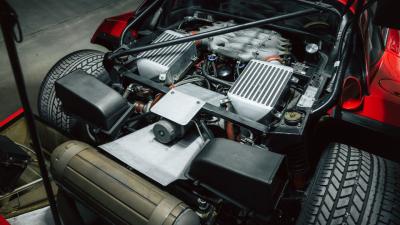
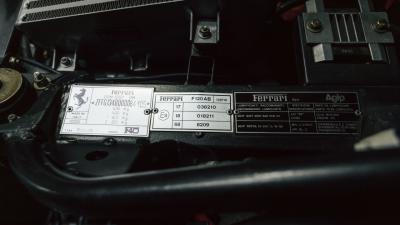
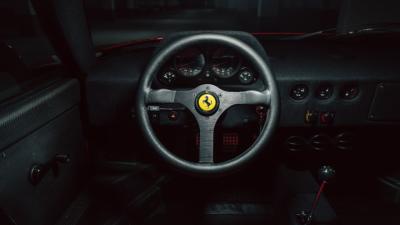
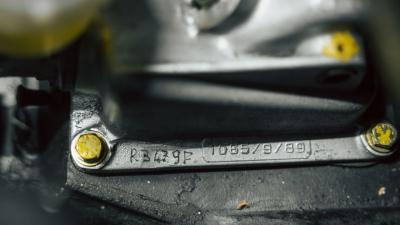
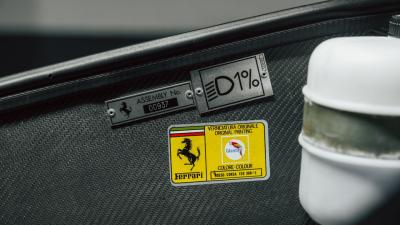
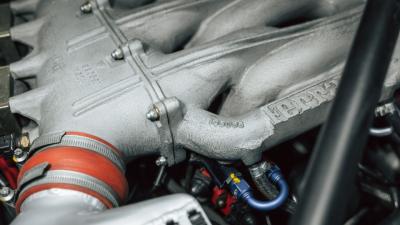
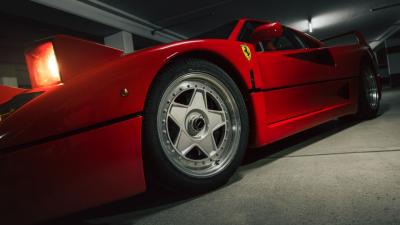
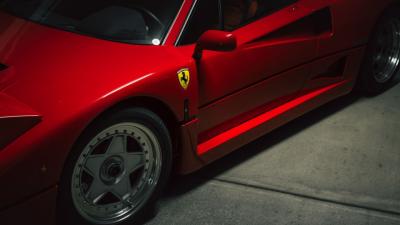
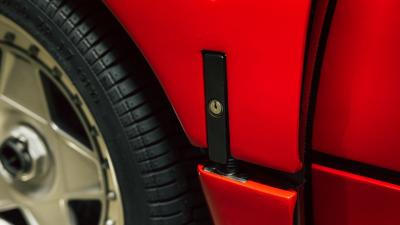
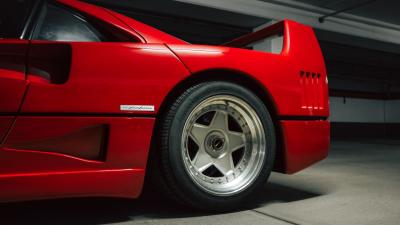
In December 2018, the F40 was accepted for the coveted Ferrari Classiche certification, confirming that the serial numbers on the chassis, engine, and transmission match factory records. The accompanying Red Book further notes that the body, suspension system, Brembo disc brakes, and Speedline aluminum wheels are all original, factory-installed components. After returning to Germany, the car continued to receive specialist attention in Munich, including care by Supercar Garage, where it was serviced in November 2022 and most recently in August 2025 at 40,258 km, during which the car received an annual service with oil, fuel filter, and spark plug renewal, gearbox oil change, brake fluid replacement, and clutch bleeding. Most significantly, the timing belt was replaced during this service together with the water pump, tensioner, pulleys, accessory belts, and thermoswitch. A replacement starter battery was fitted in December 2025, bringing the total documented investment at Supercar Garage alone to just over €15.890.
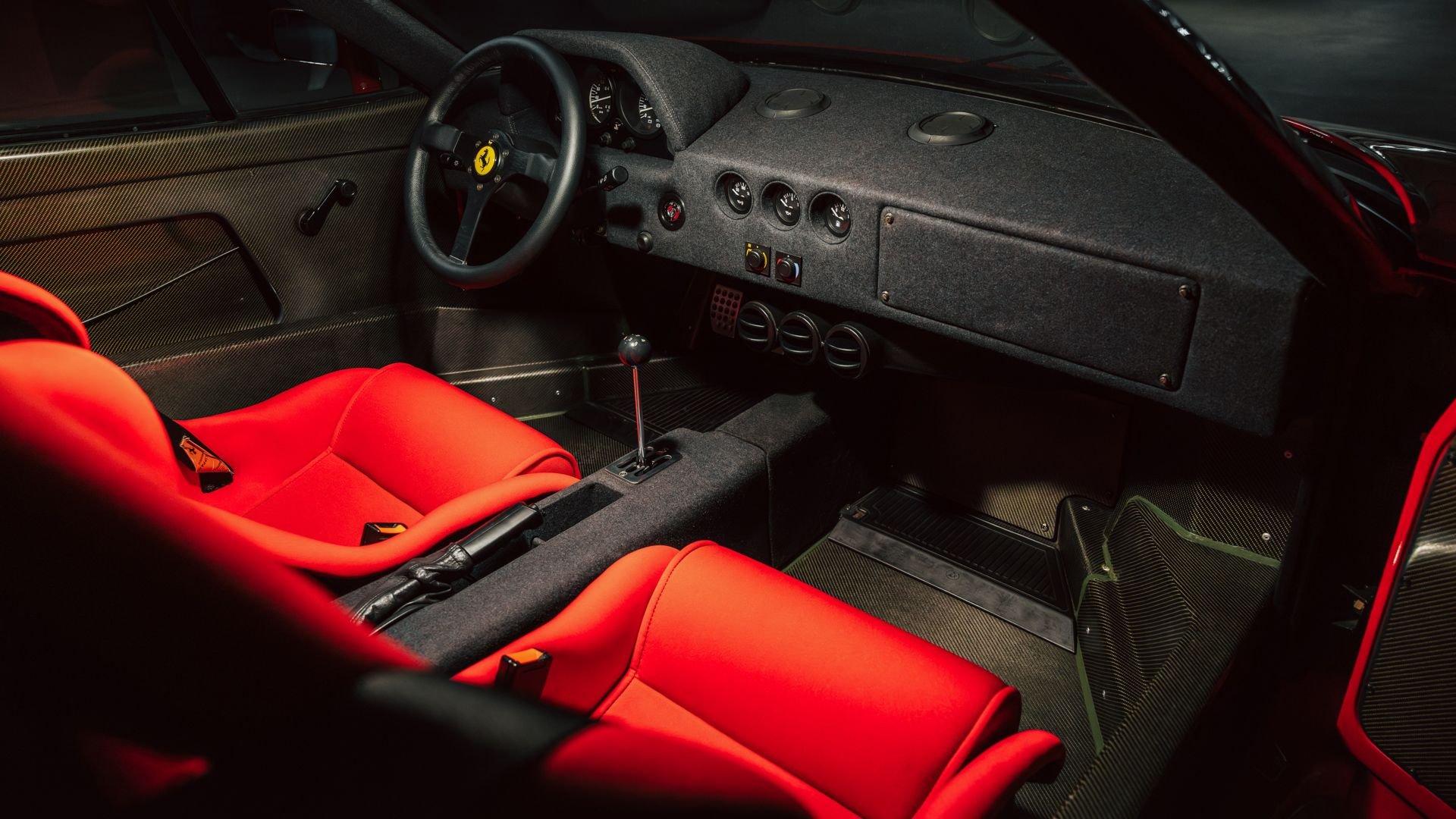
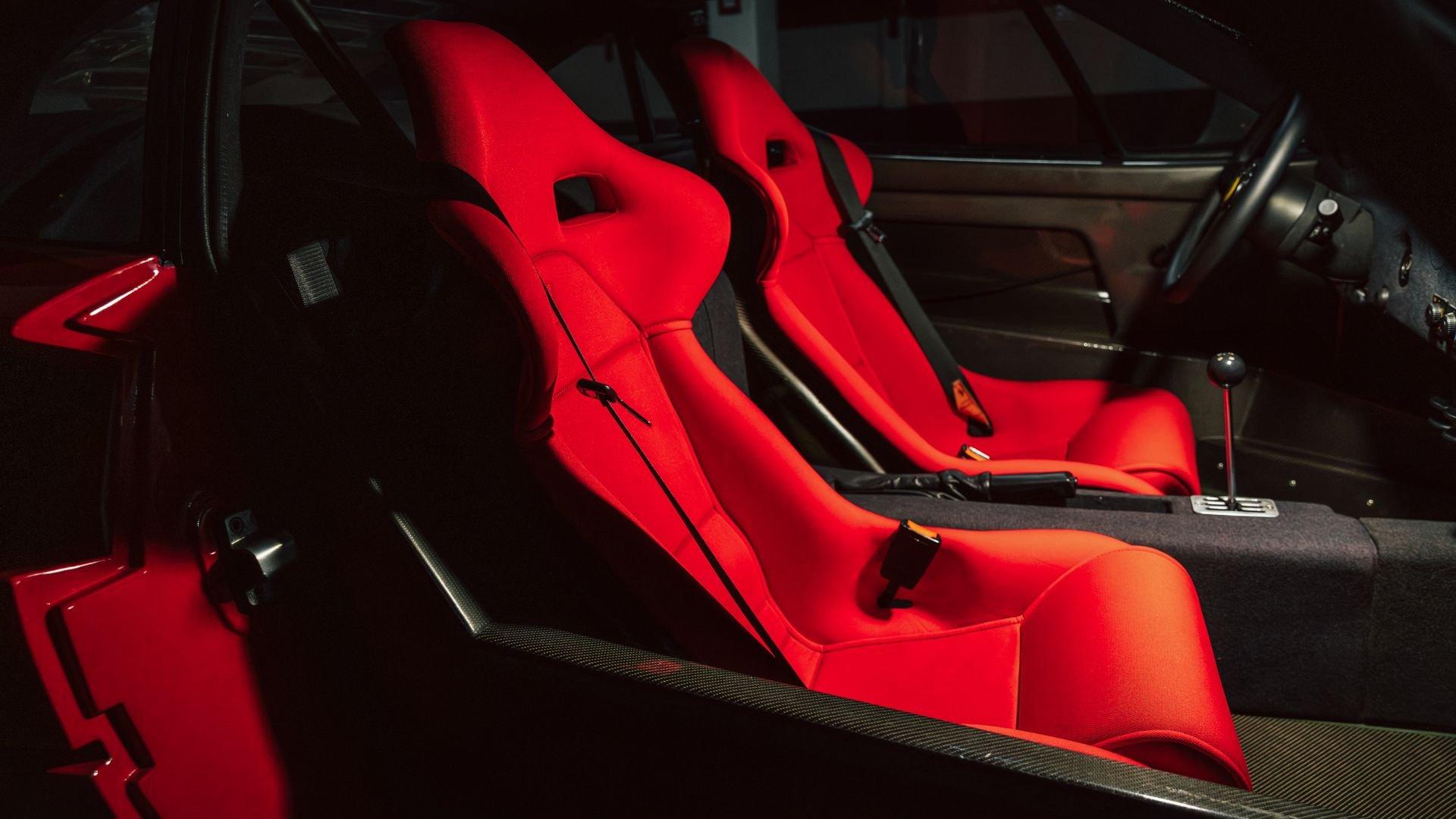
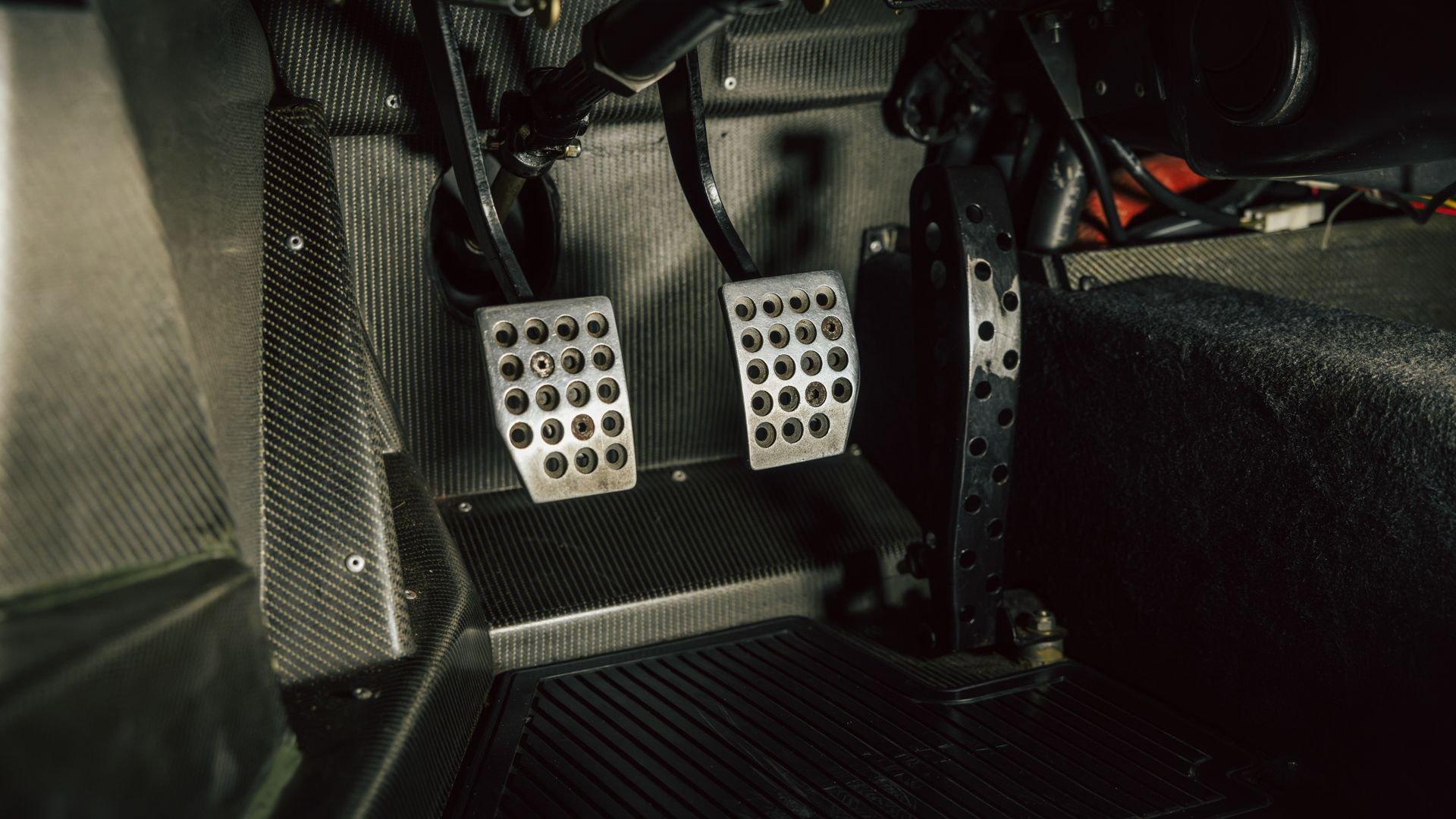
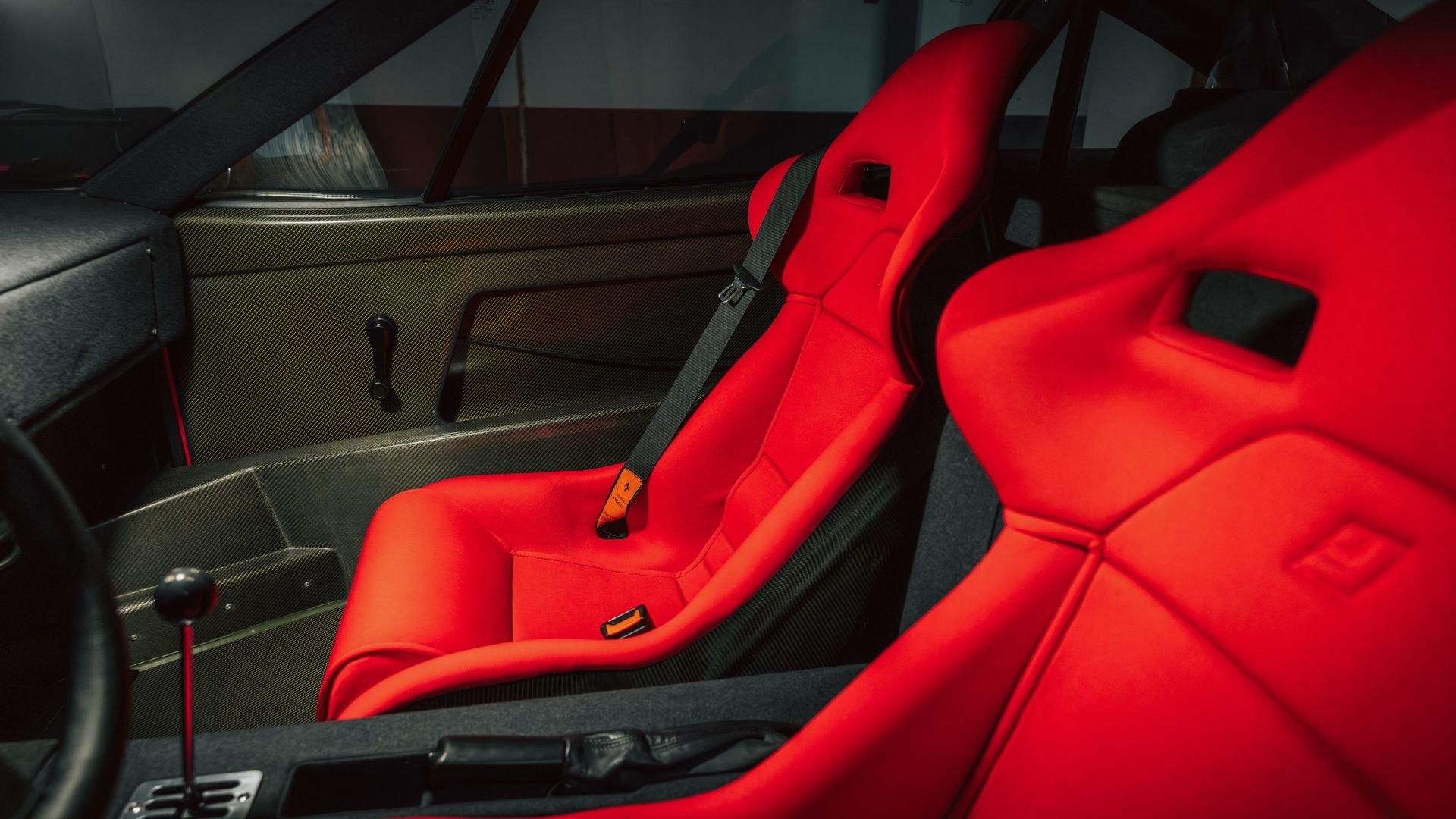
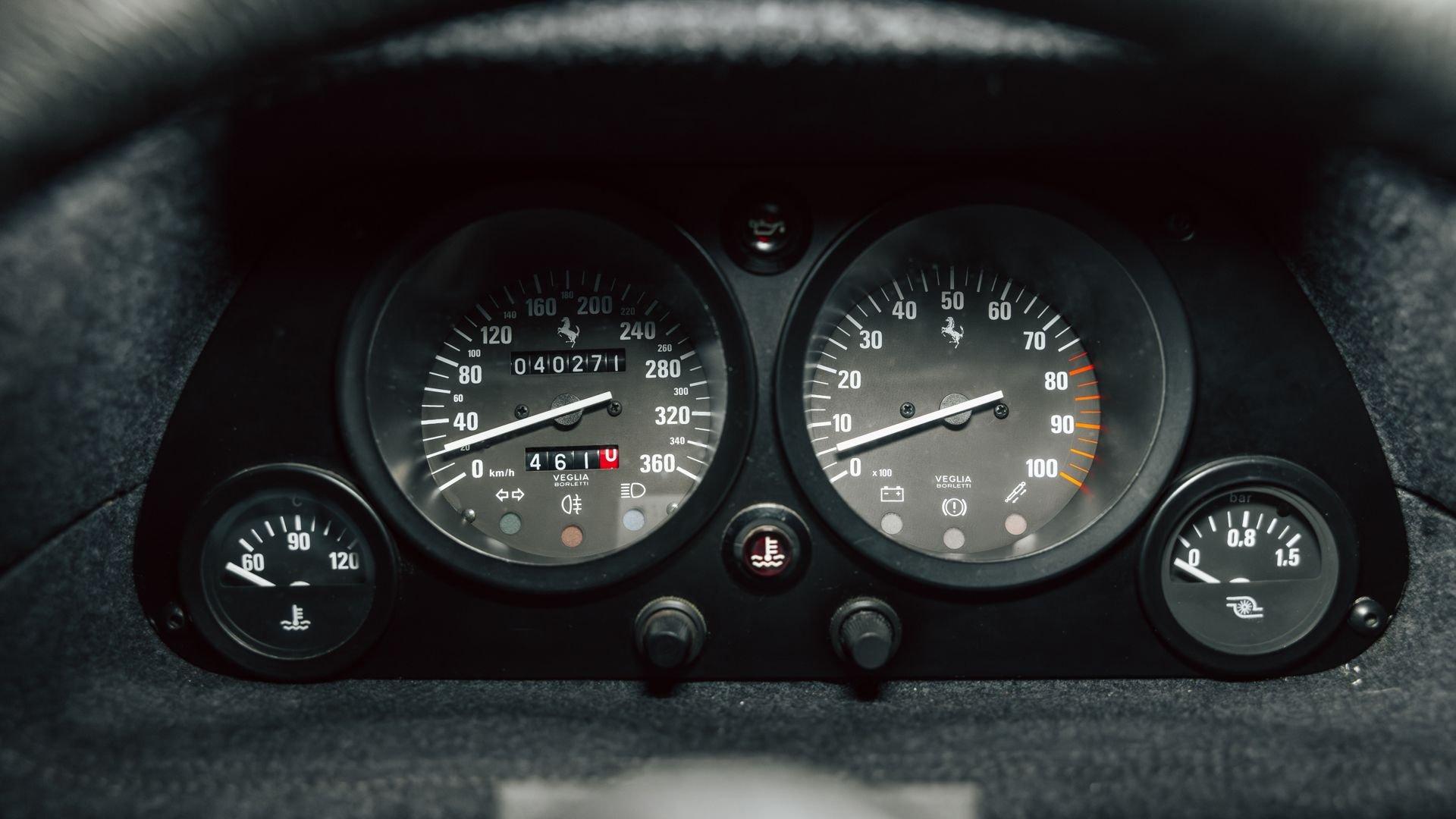
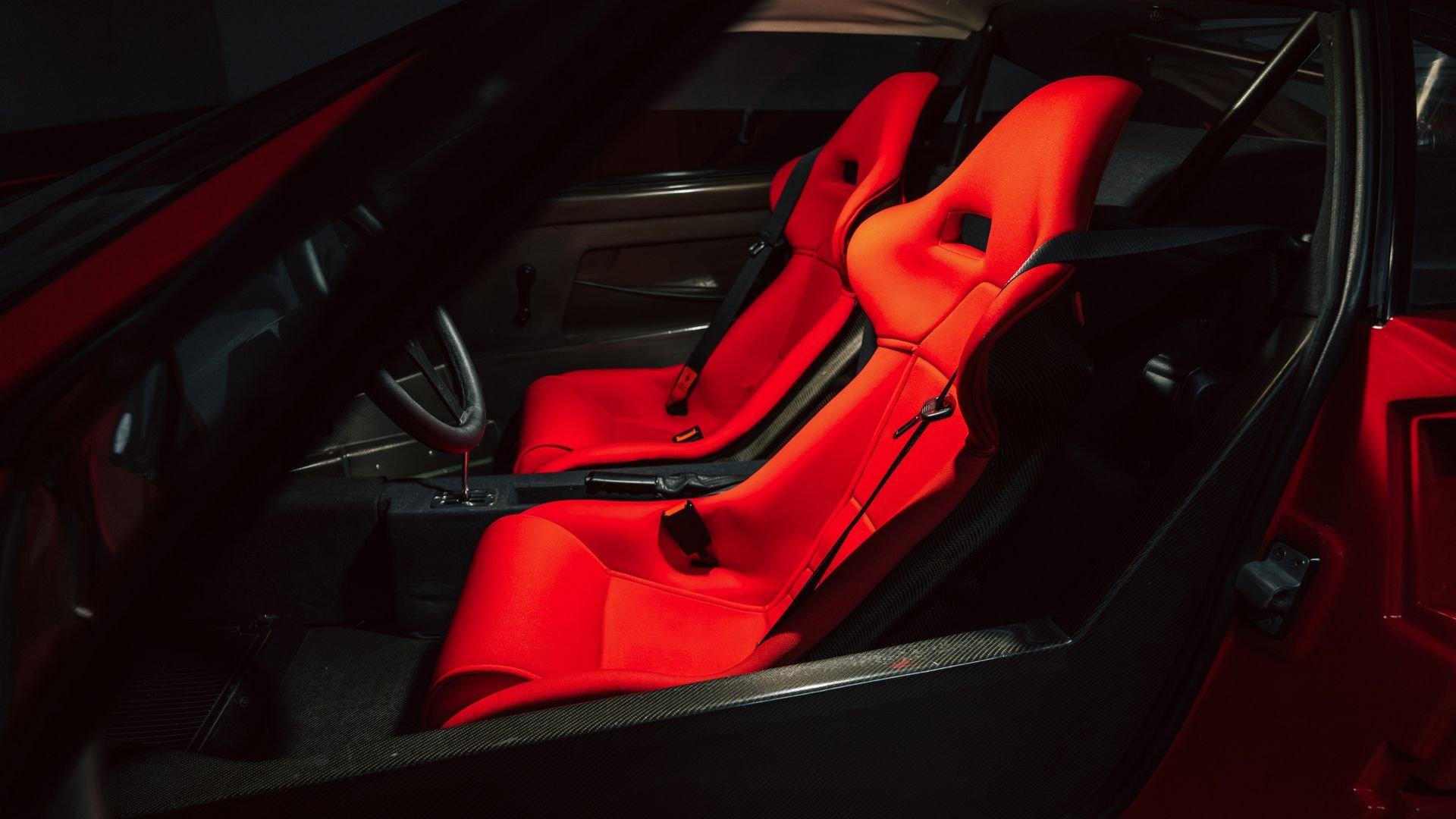
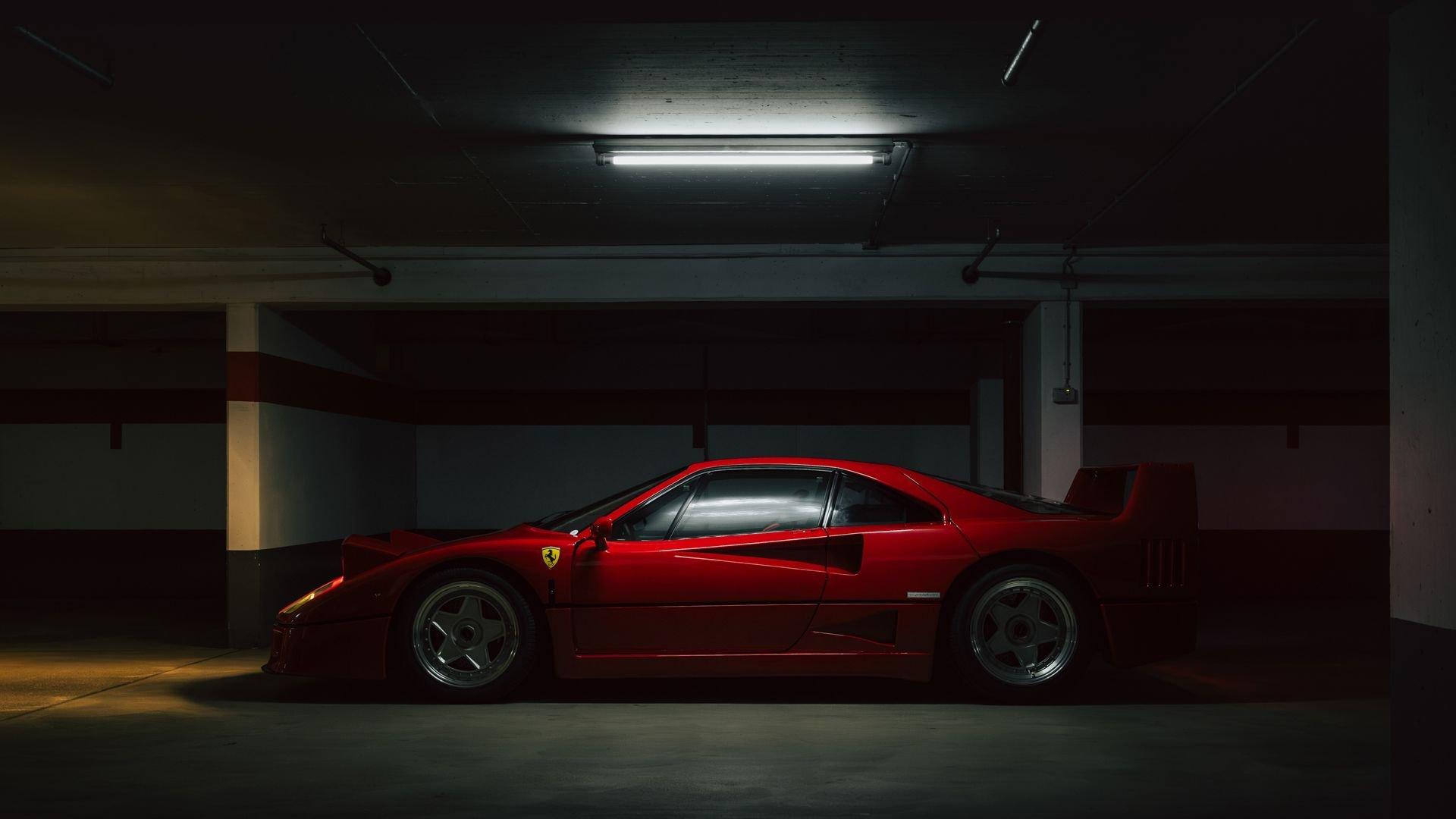
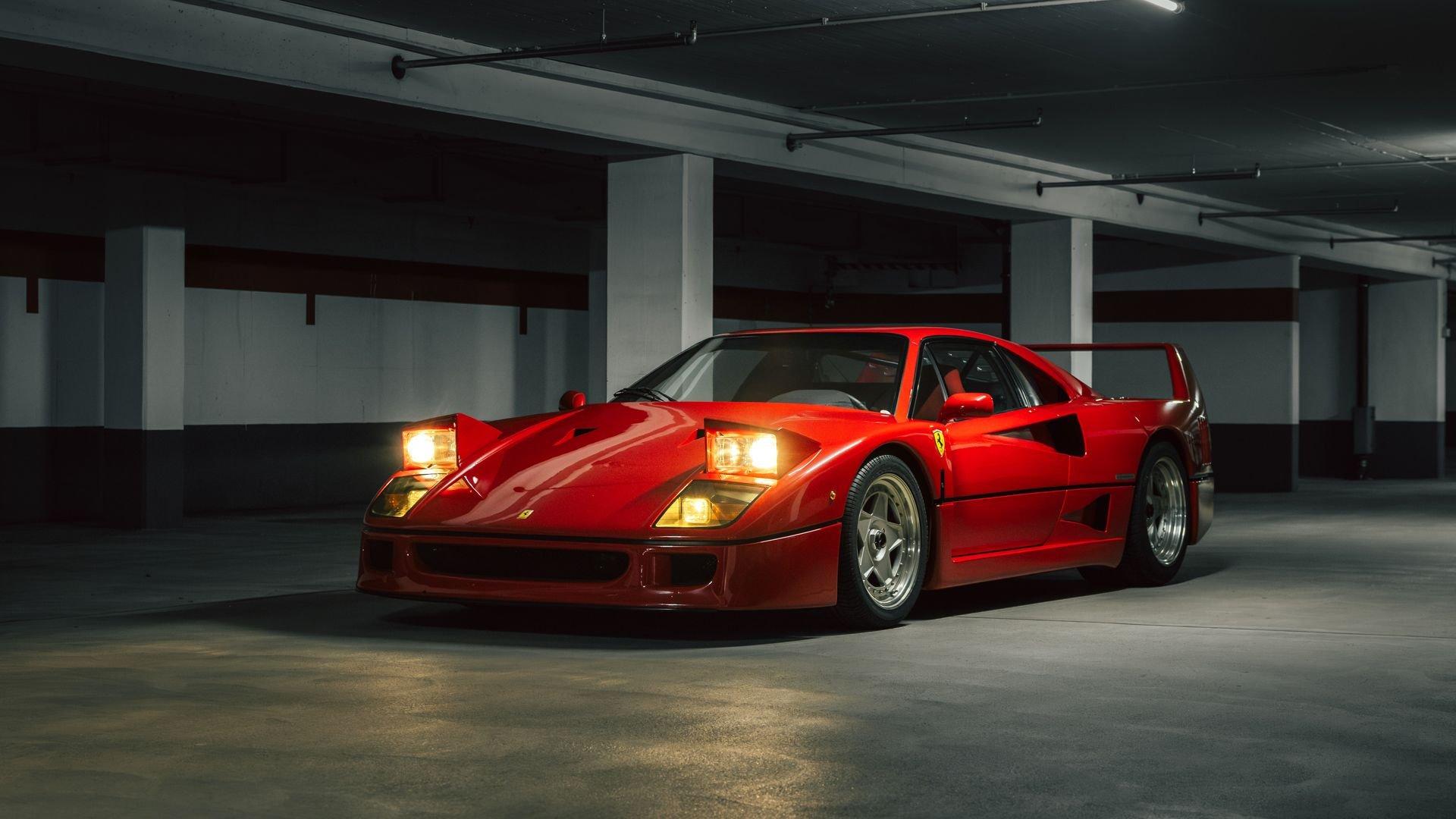
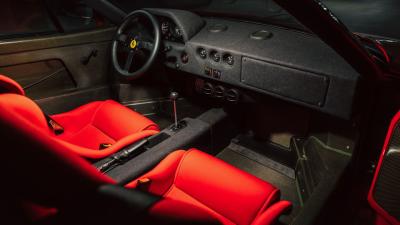
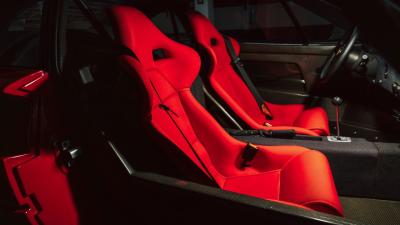
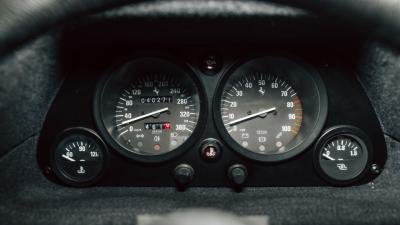
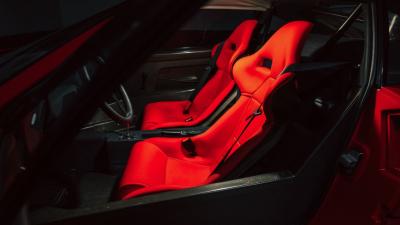
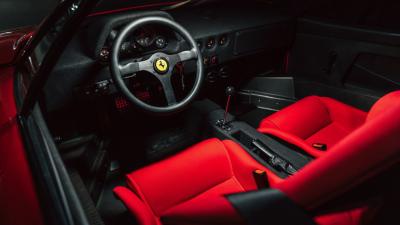
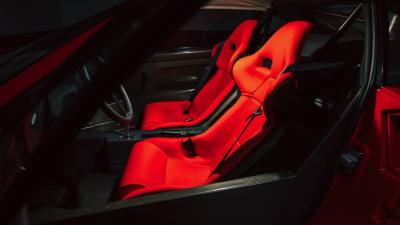
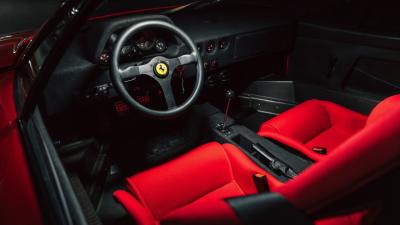
Now offered with just 40,271 km shown at the time of cataloging, and presenting in wonderfully preserved condition owing to the care of primarily three devoted owners since new, chassis 84105 is among the most compelling and thoroughly documented F40s one is likely to encounter. With its Classiche certification and desirable ''non-cat, non-adjust'' status, this exceptional Ferrari is sure to captivate serious Ferrari collectors-whether it continues to be shown at prestigious events or enjoyed on the open road as Maranello's engineers intended.
Contact Us
