





















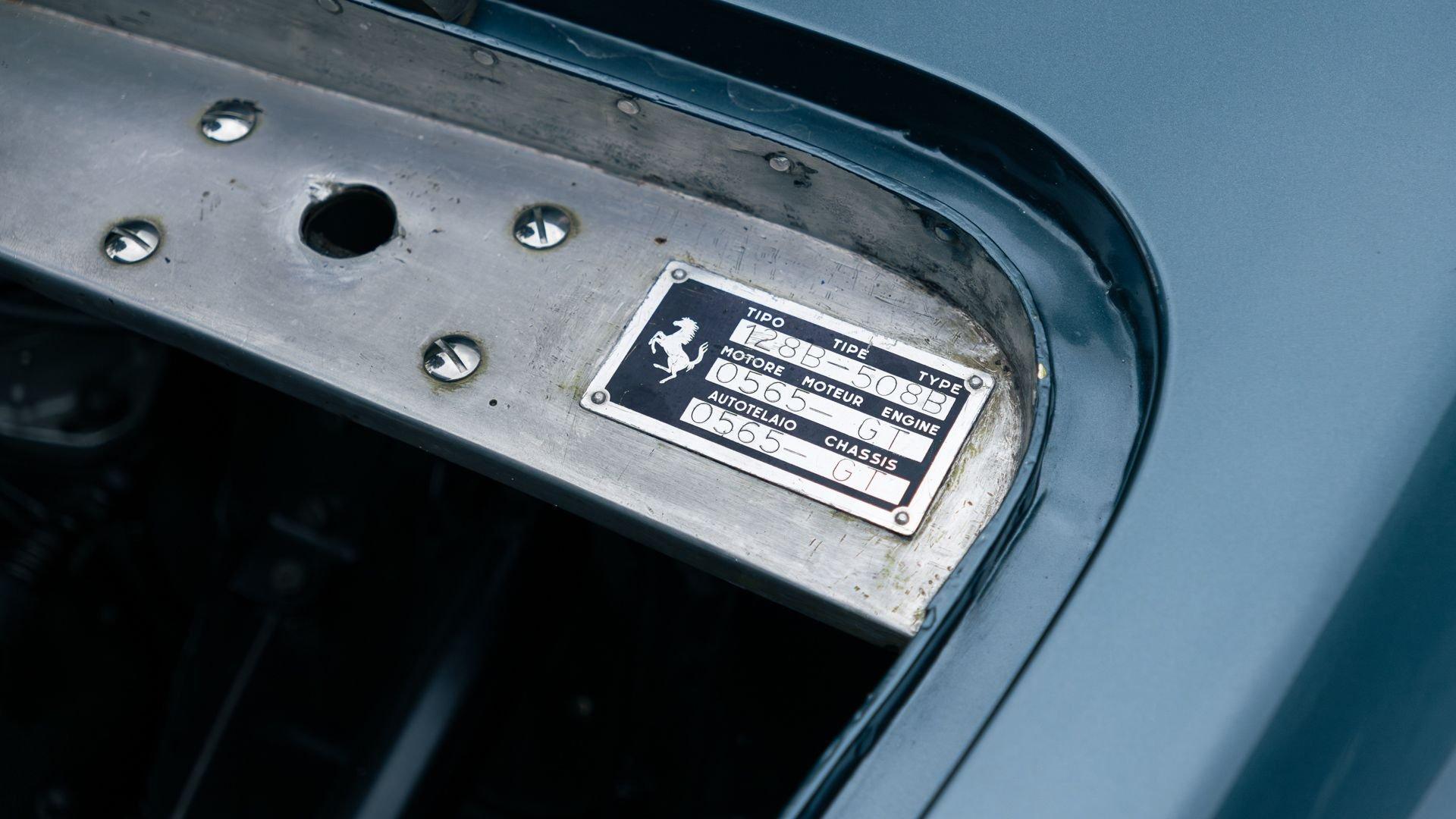
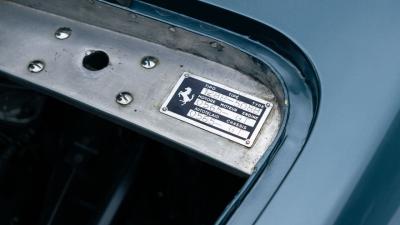
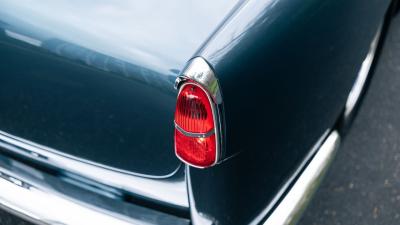
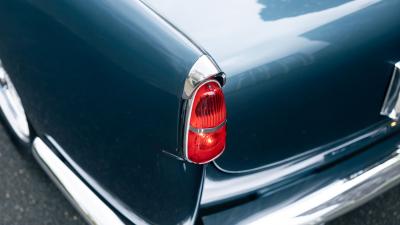
Chassis No. 0565 GT
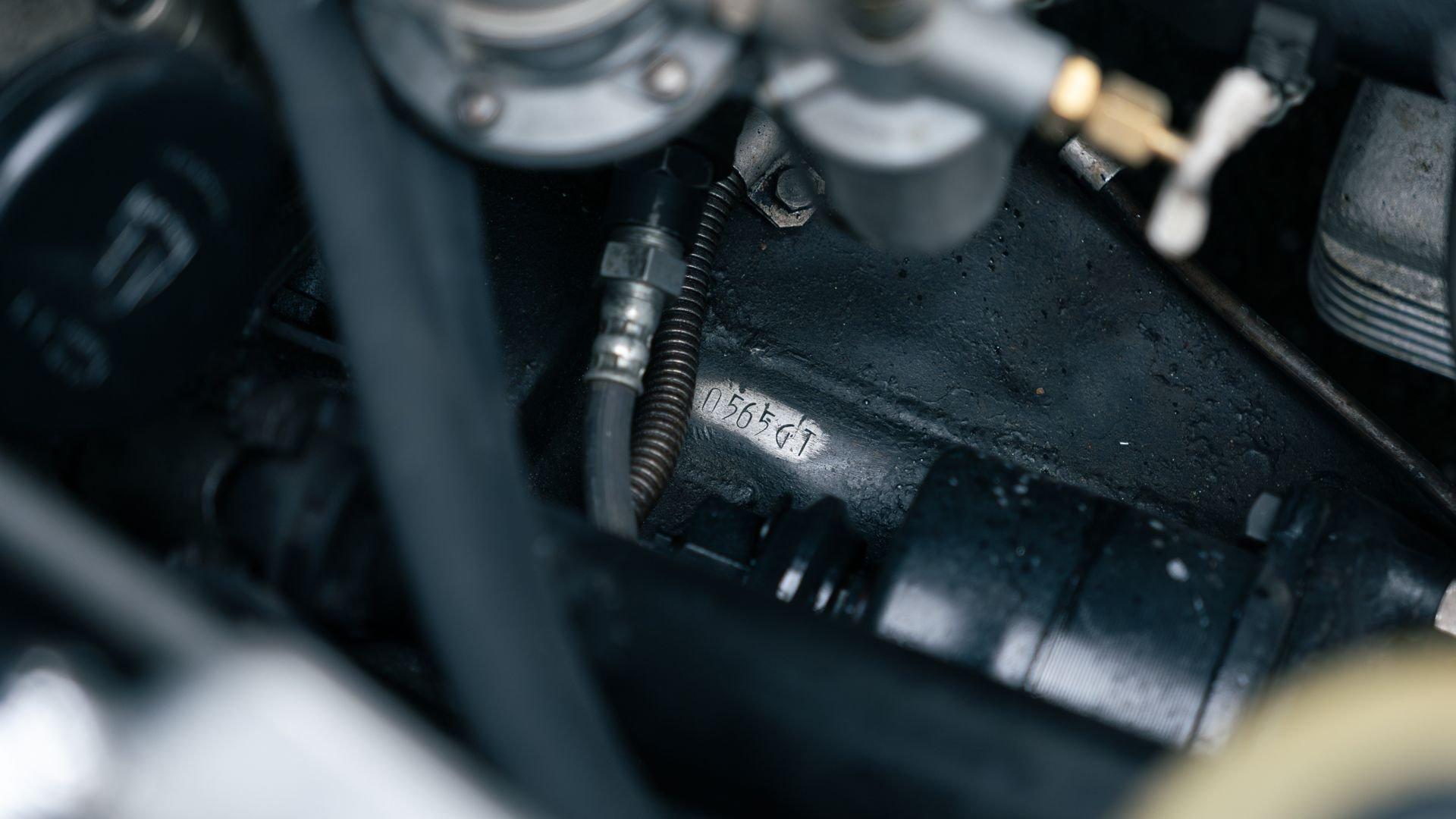
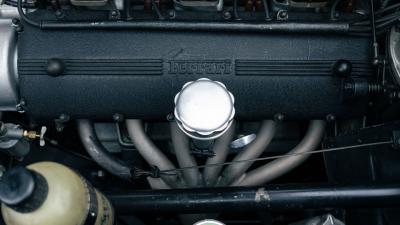
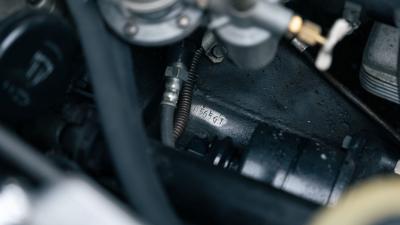
Engine No. 0565 GT (Internal No. 562)
Transmission No. 129 S
Differential No. 148 GTB
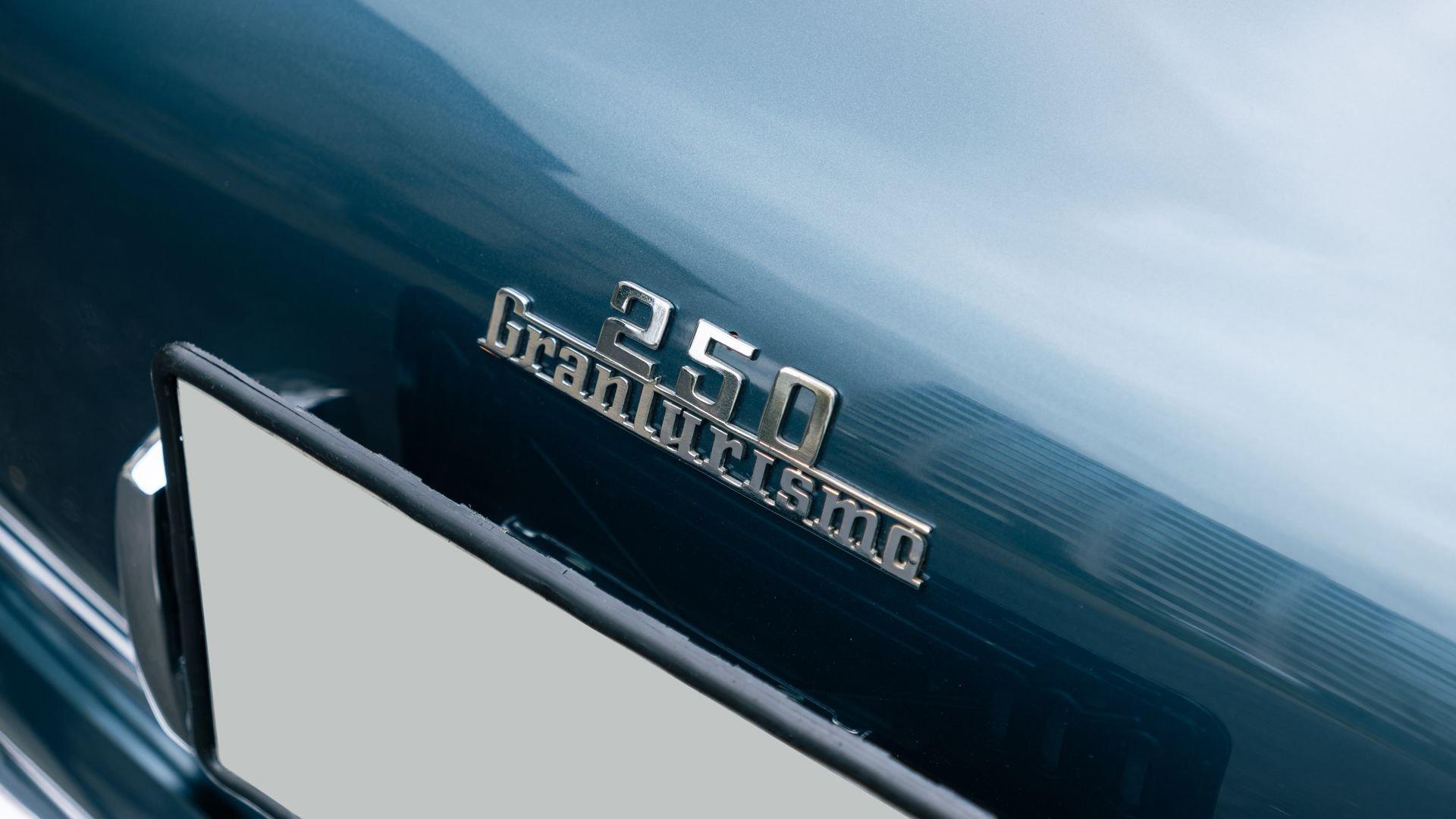
The 1950s proved a milestone decade in the history of Ferrari, as it marked the beginning of the hugely successful 250 GT lineage. Until then, the Maranello firm had been building approximately 35-40 road cars per year. By the time the 250 GT's production run concluded in 1964, annual production of Ferrari Gran Turismos had risen to around 670 units-nearly twenty times the firm's output just a decade earlier.
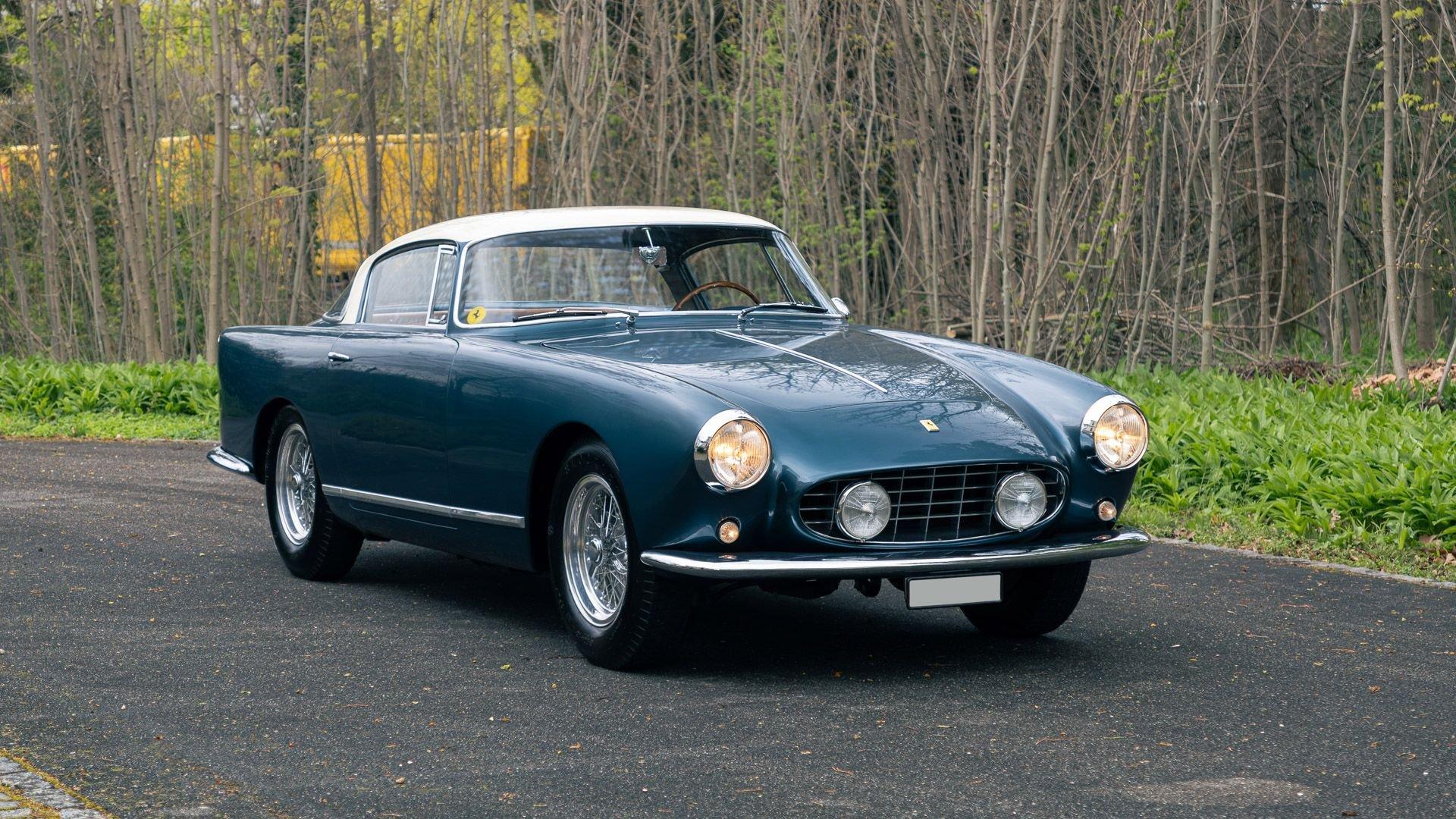
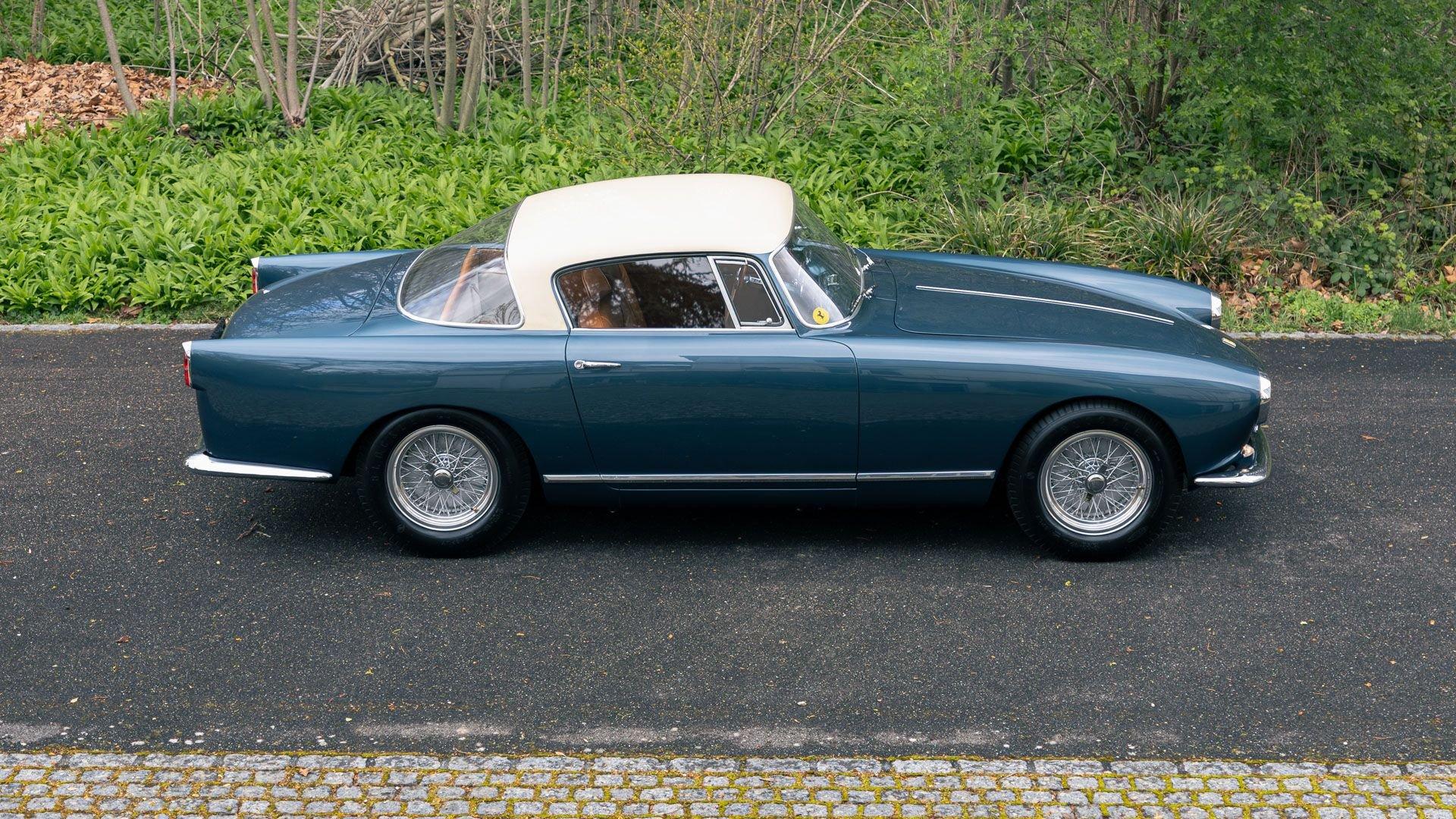
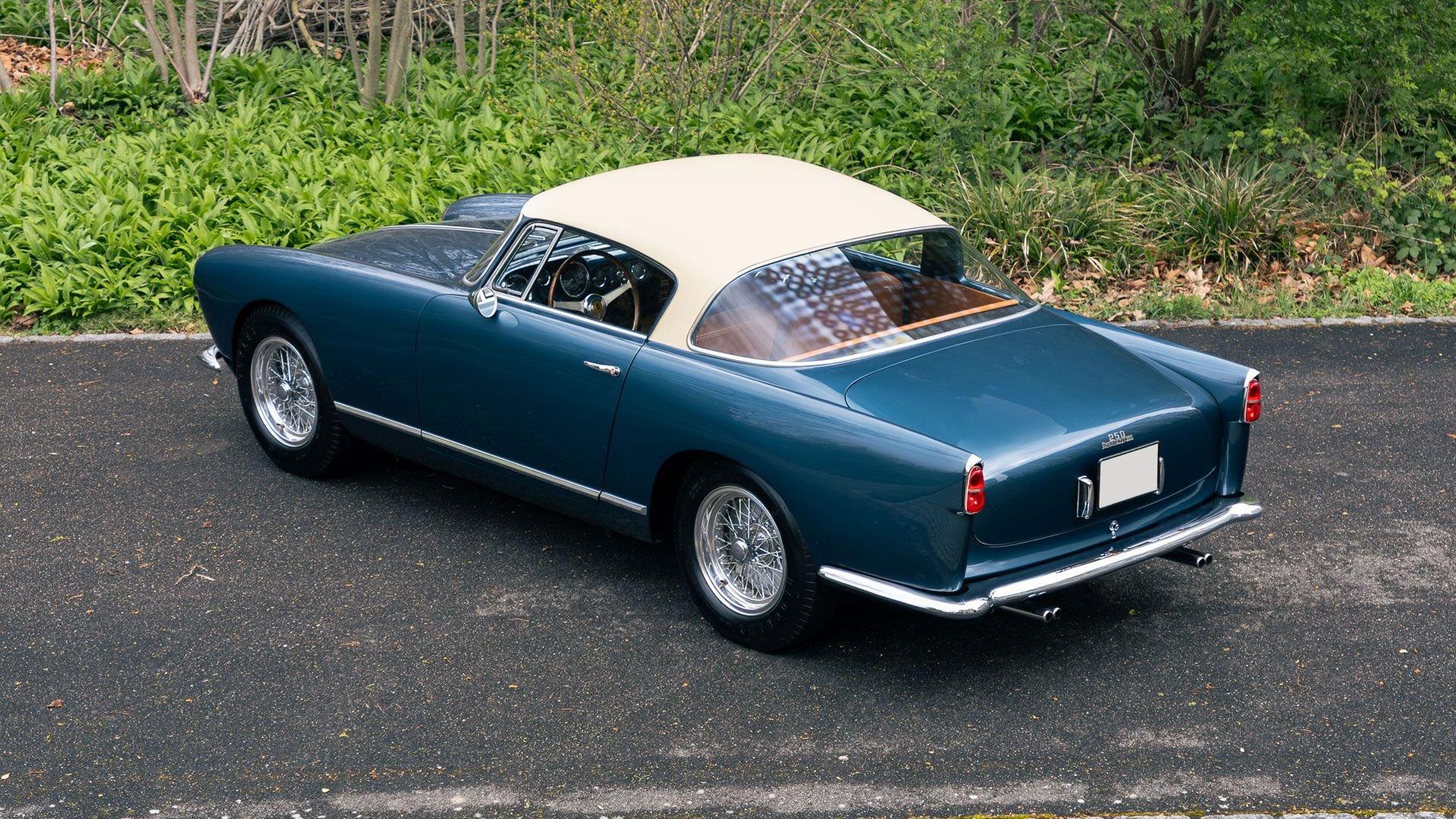
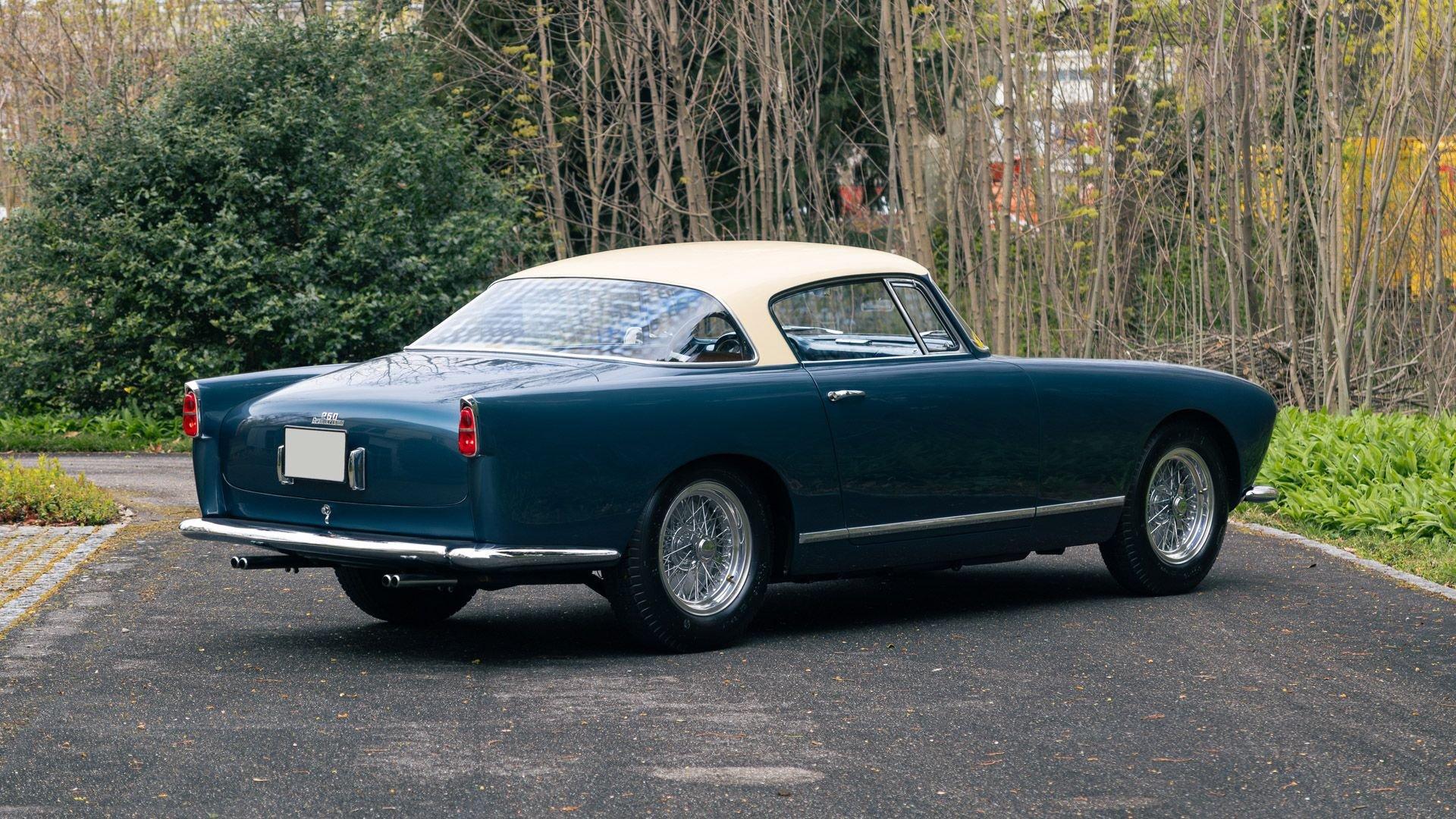
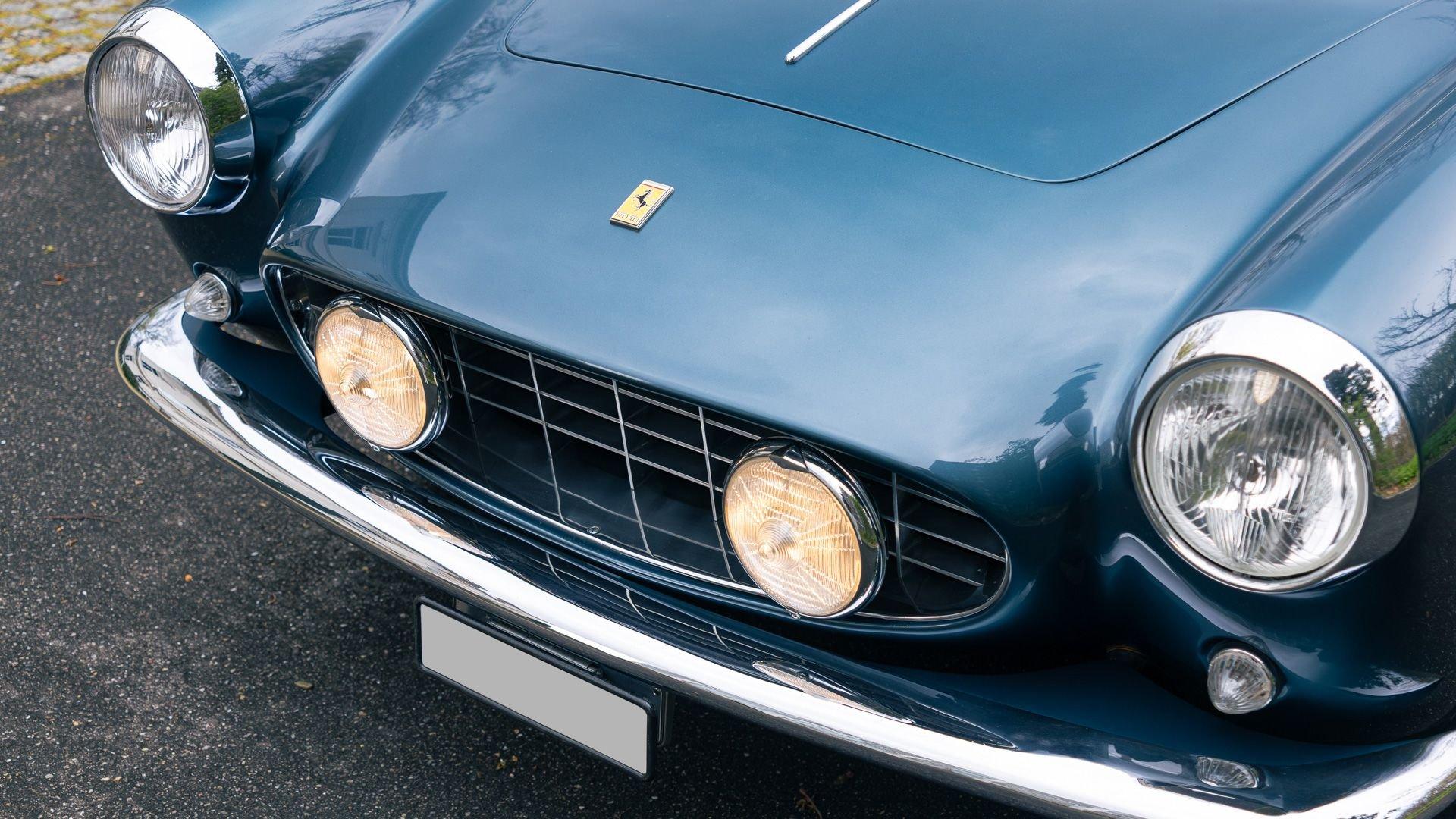
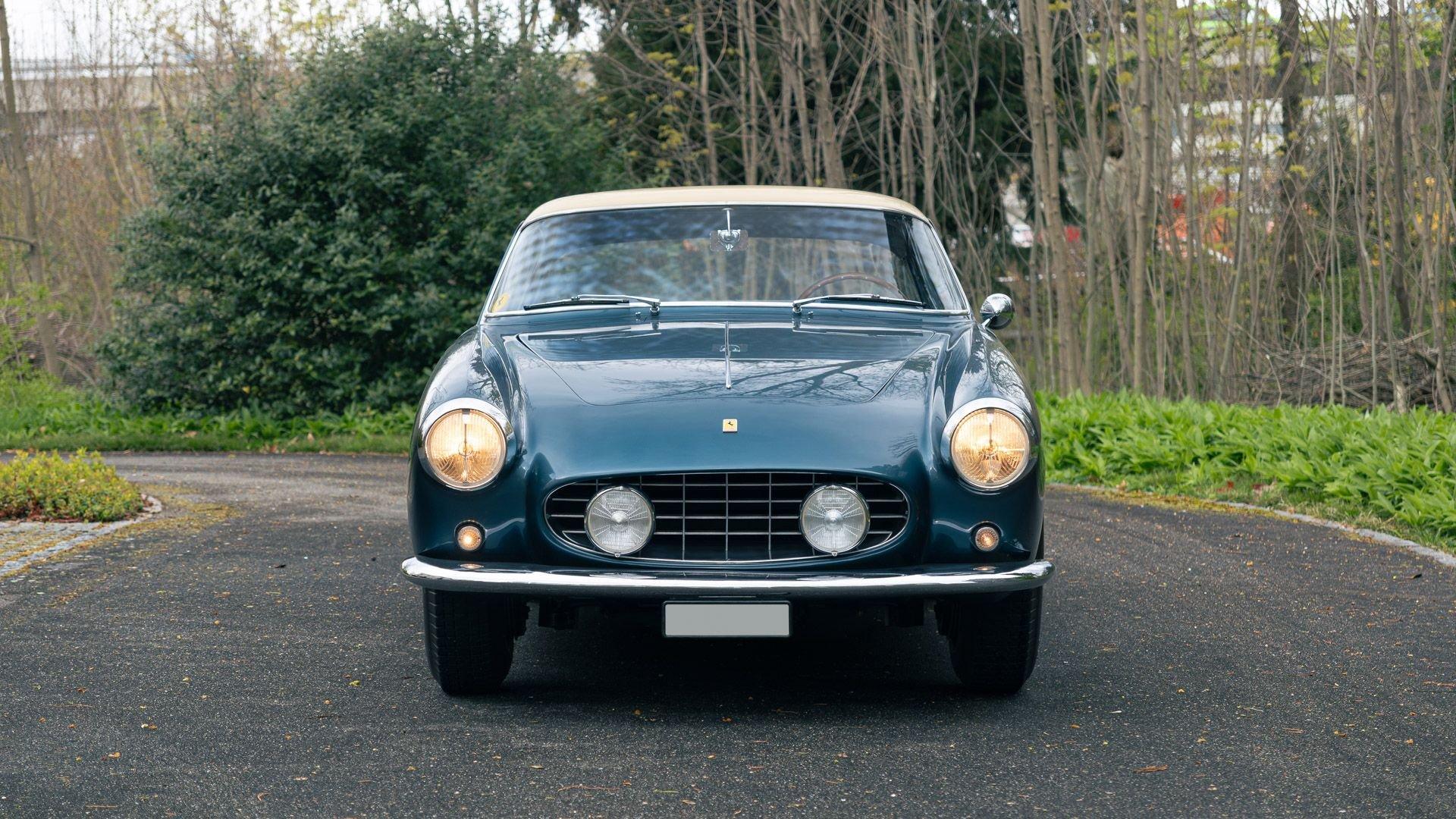
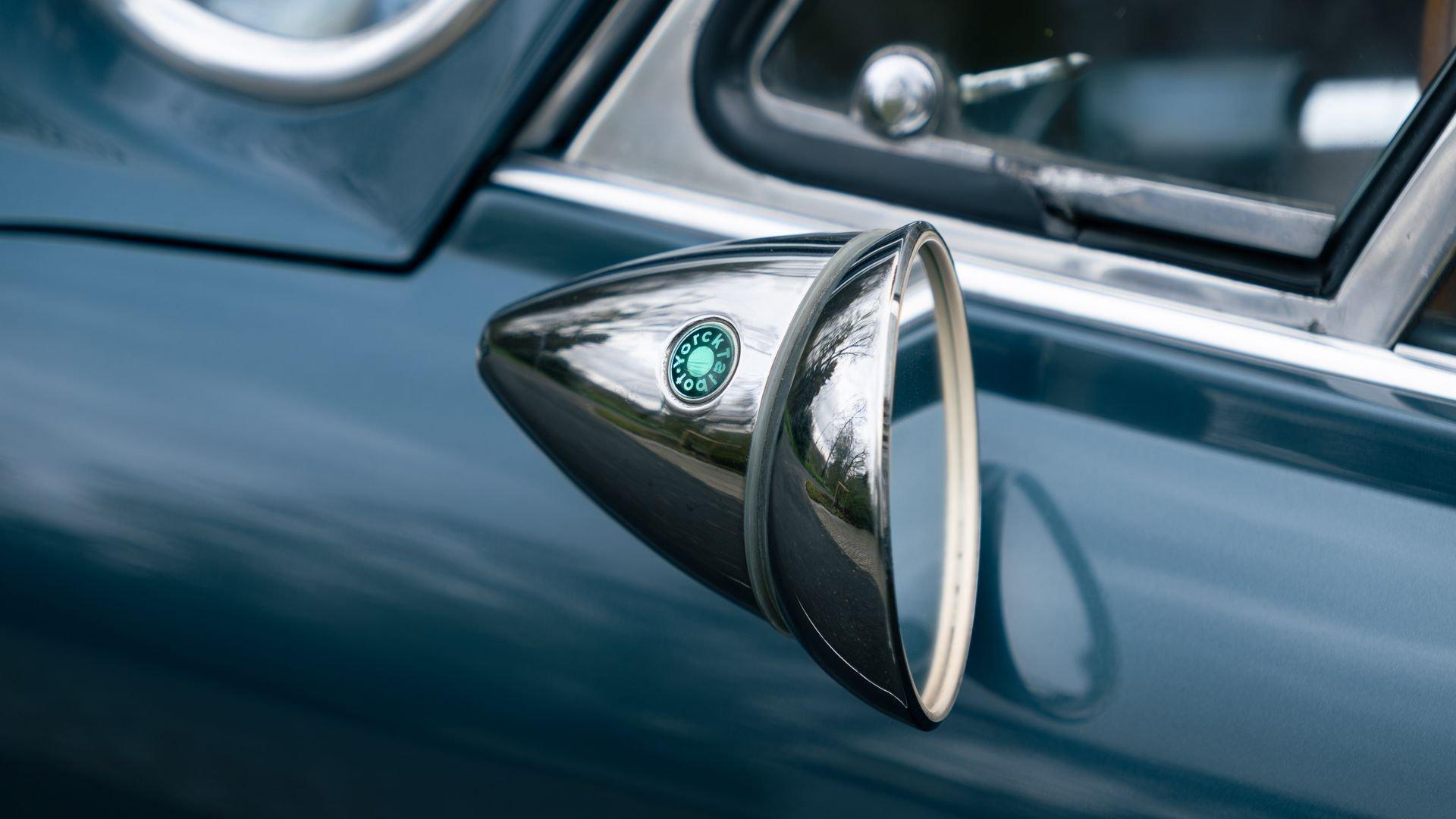
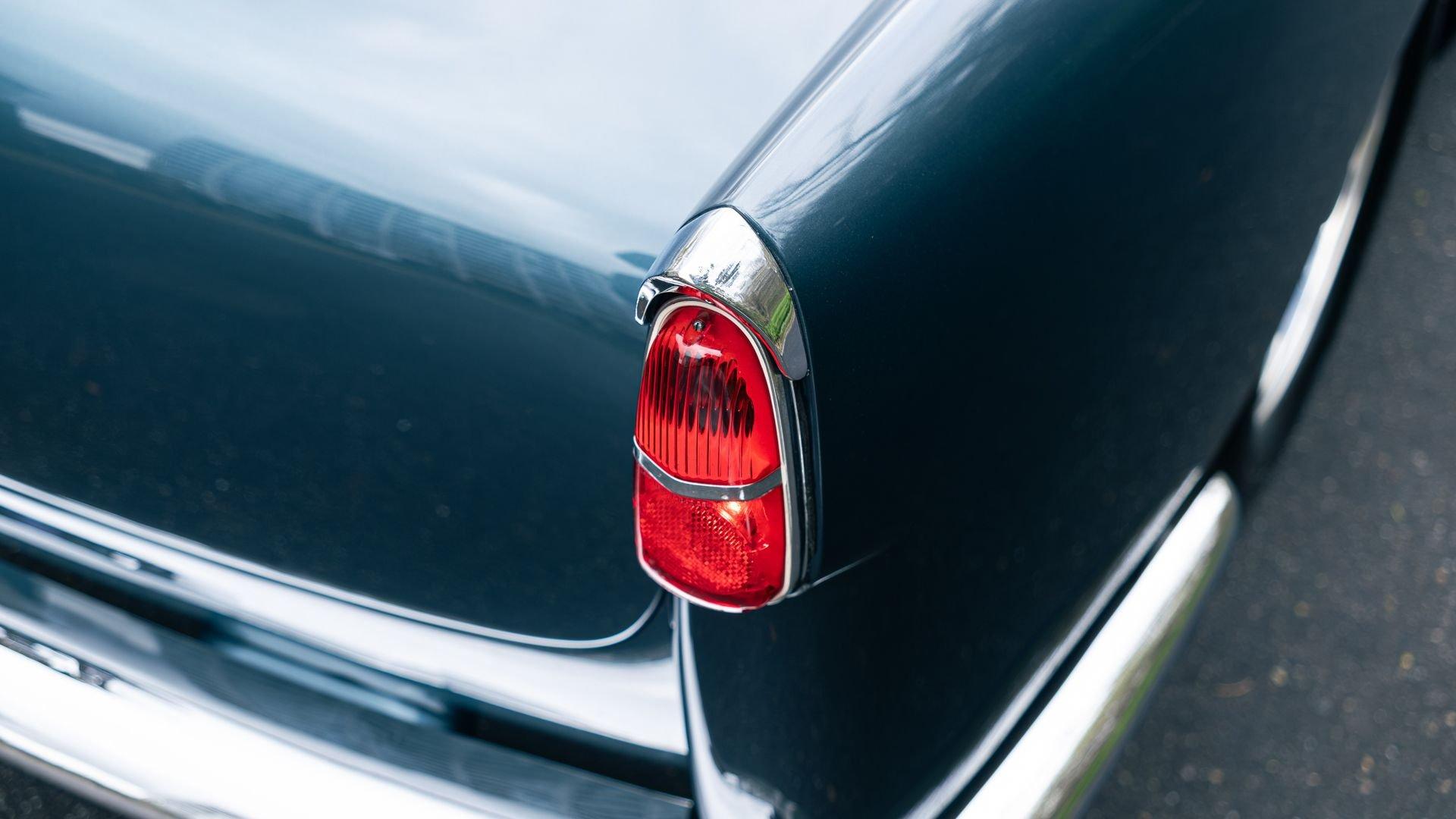
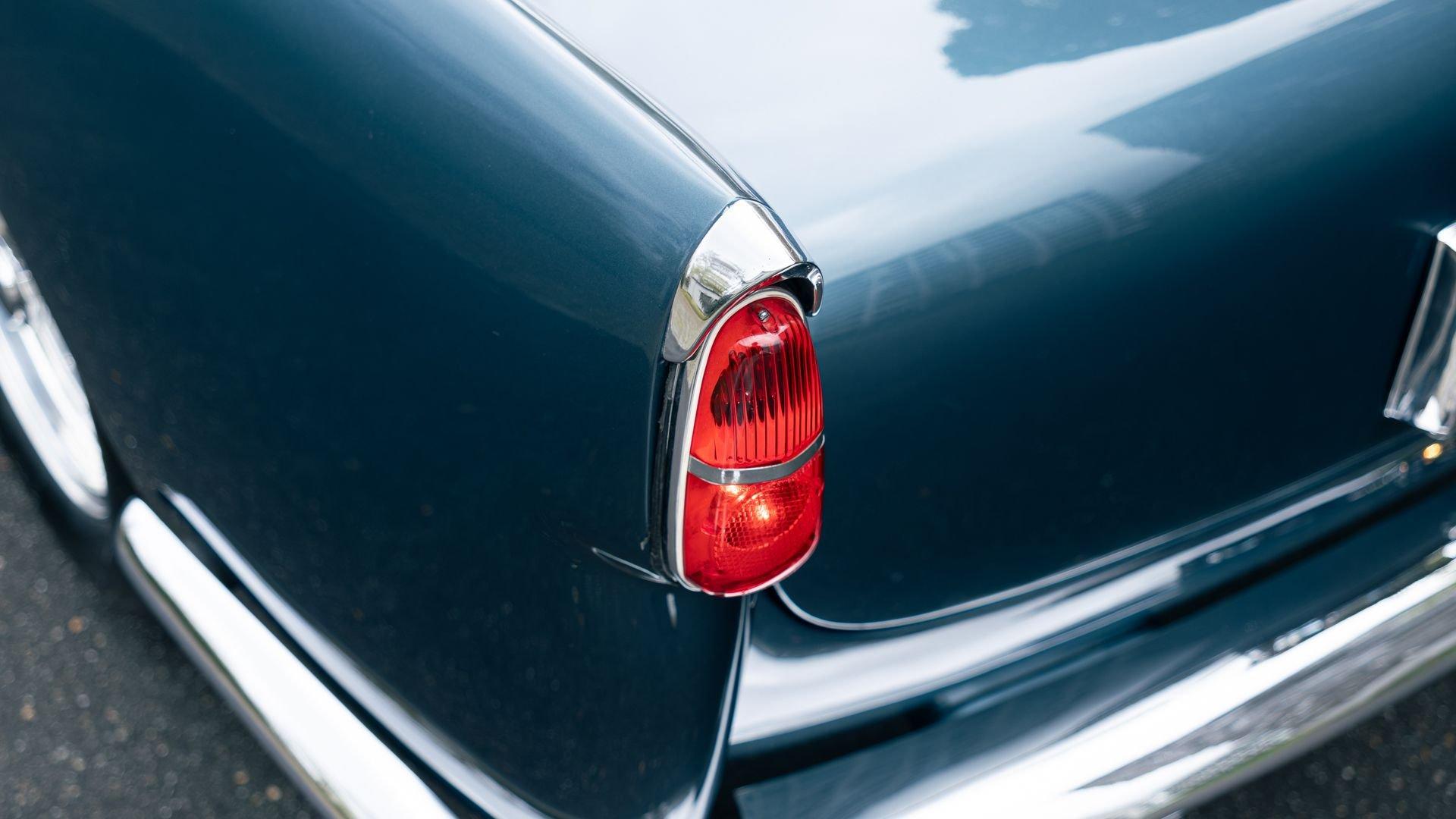
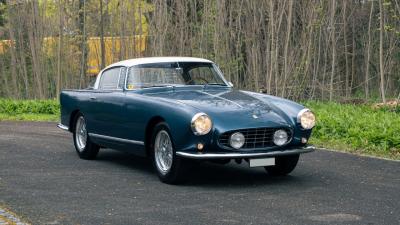
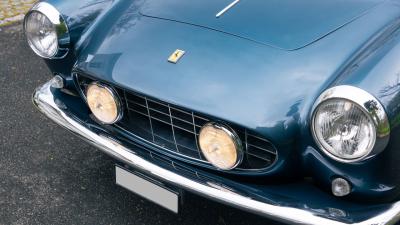
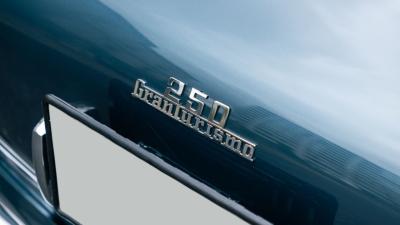
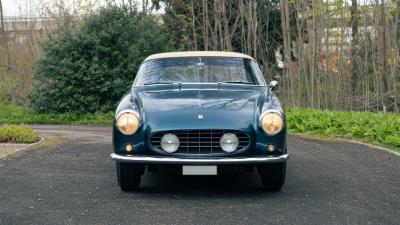
So successful was the 250 GT that Pinin Farina, having designed the 250 GT Coupe concept and already committed to a major facility expansion in Grugliasco, could not take on additional Ferrari chassis for 1957. Ferrari turned instead to Carrozzeria Boano, a Turin firm whose principal, Felice Mario Boano, brought with him a decade of experience running Carrozzeria Ghia. Boano was tasked with producing the Pinin Farina prototype (0429 GT) into series form, with a handful of refinements: the fender line was made continuous from headlights to taillights, the Pinin Farina badging was omitted, and several vertical bars were deleted from the grille.
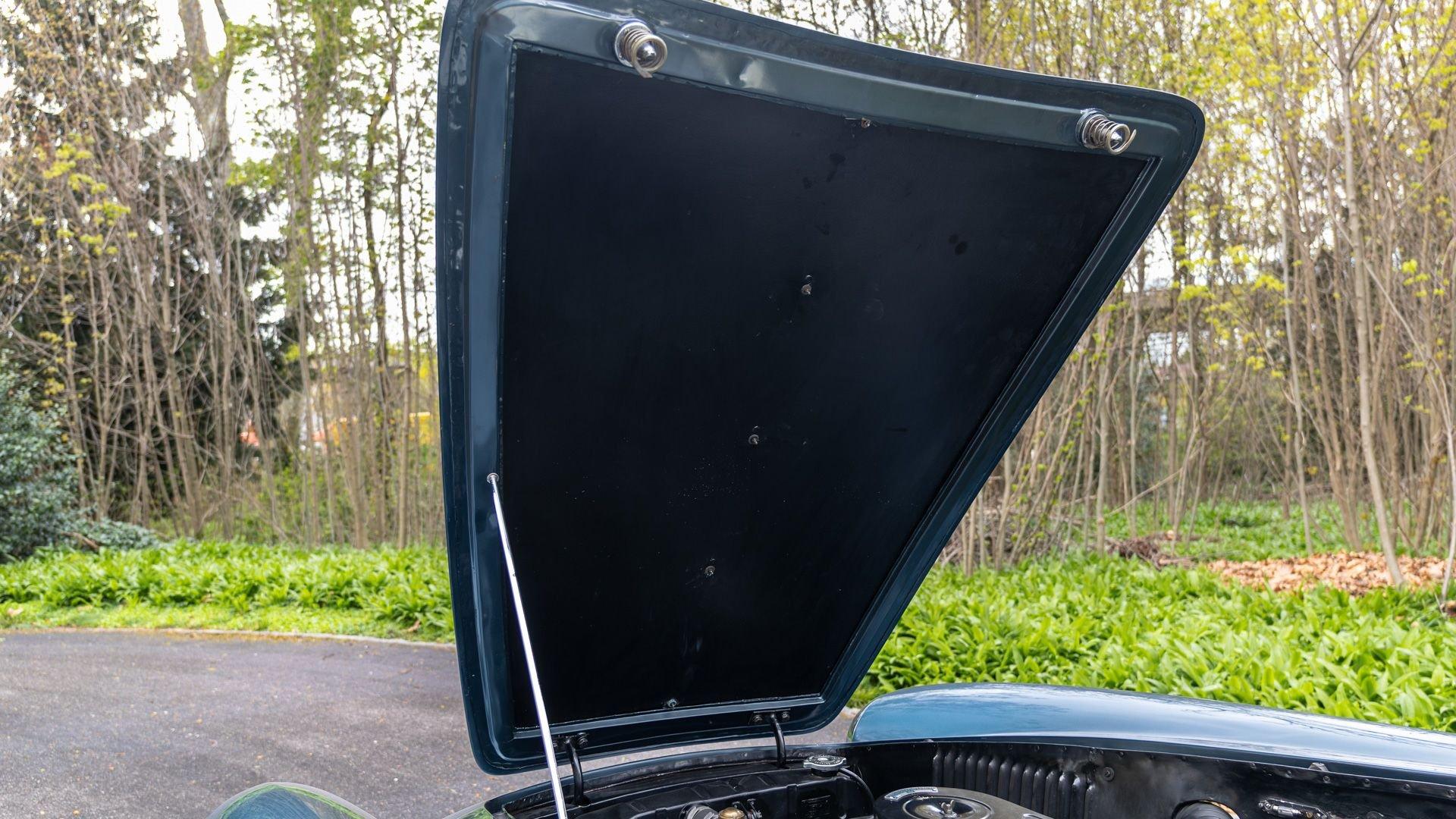
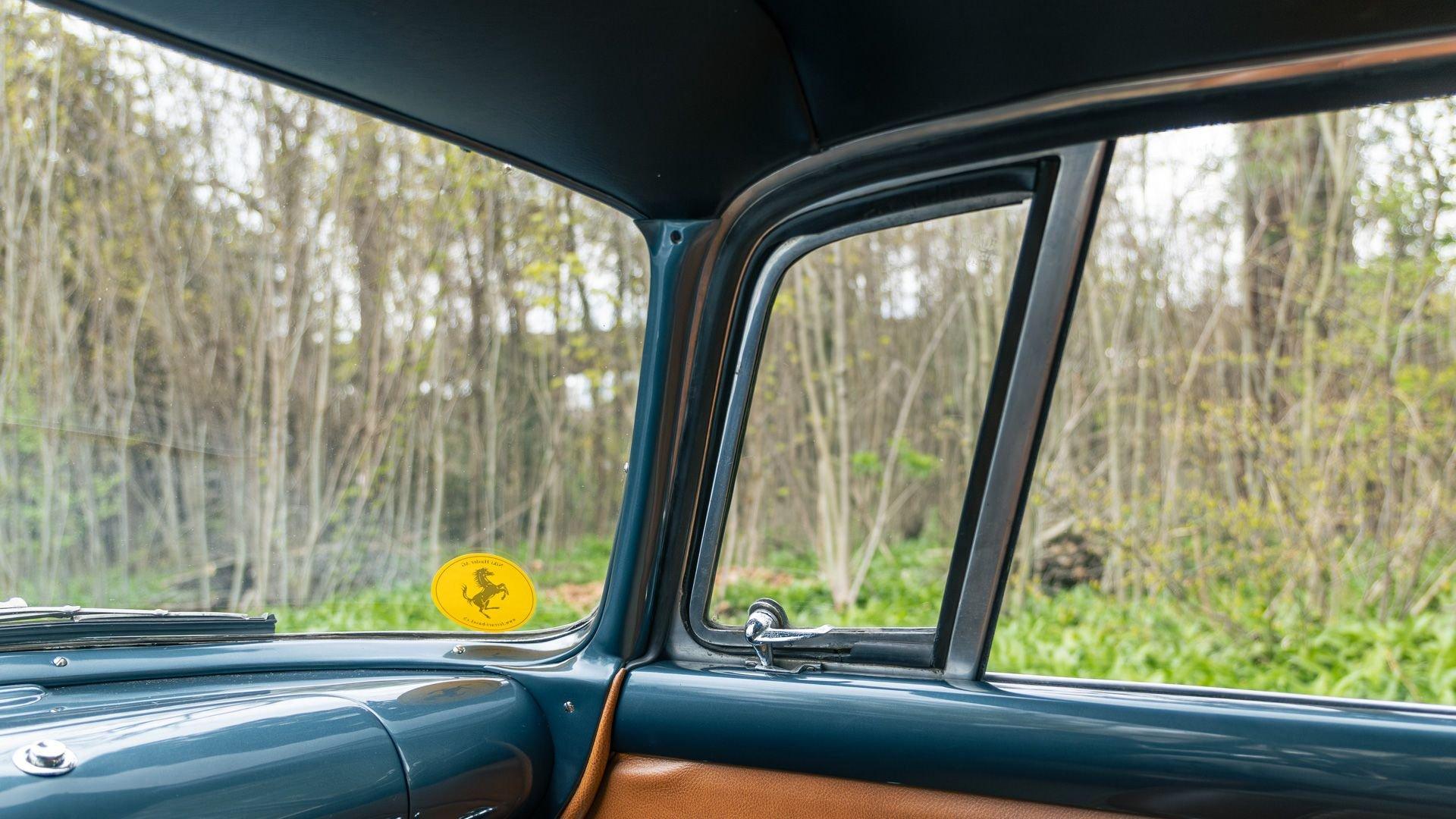
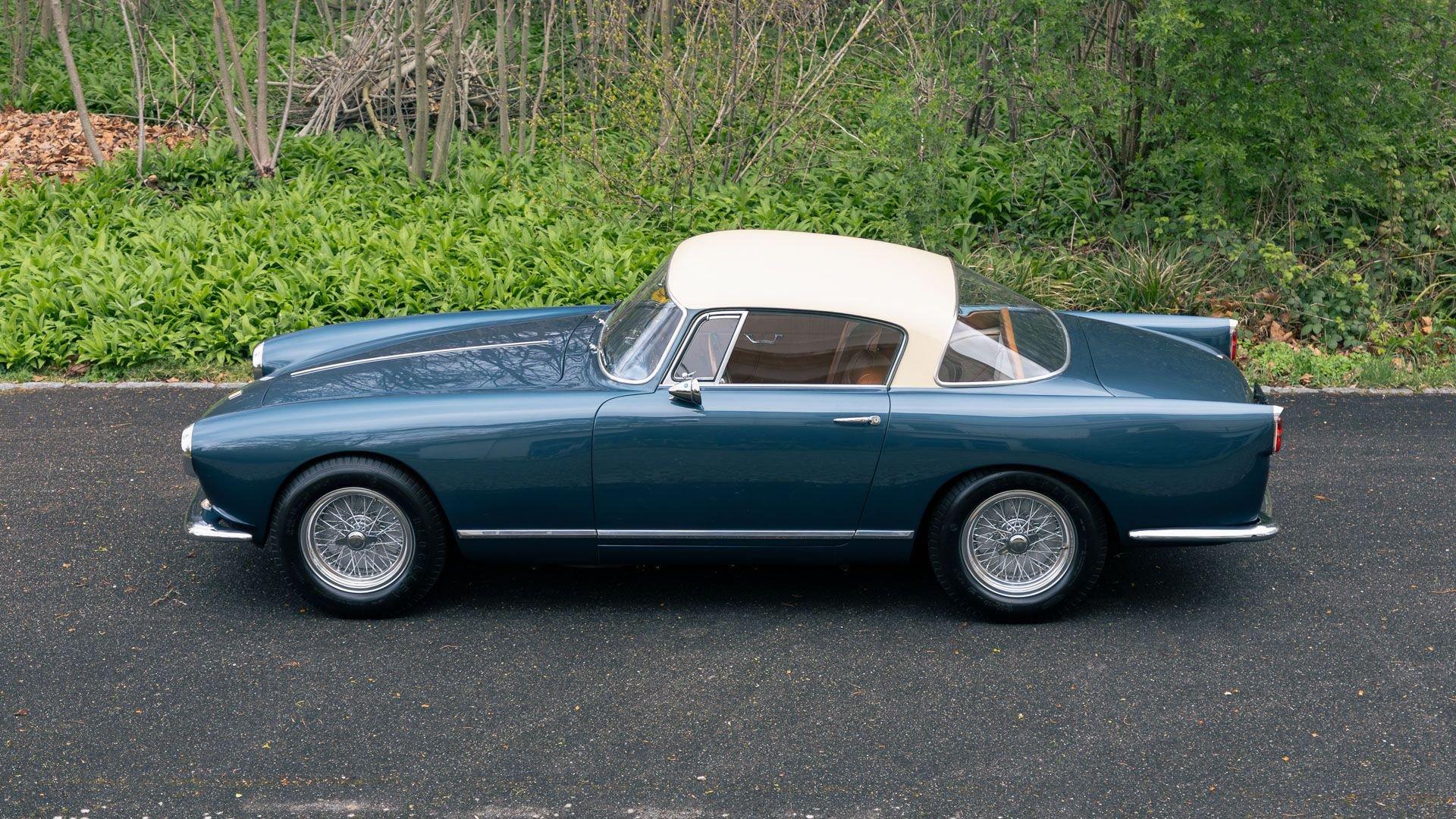
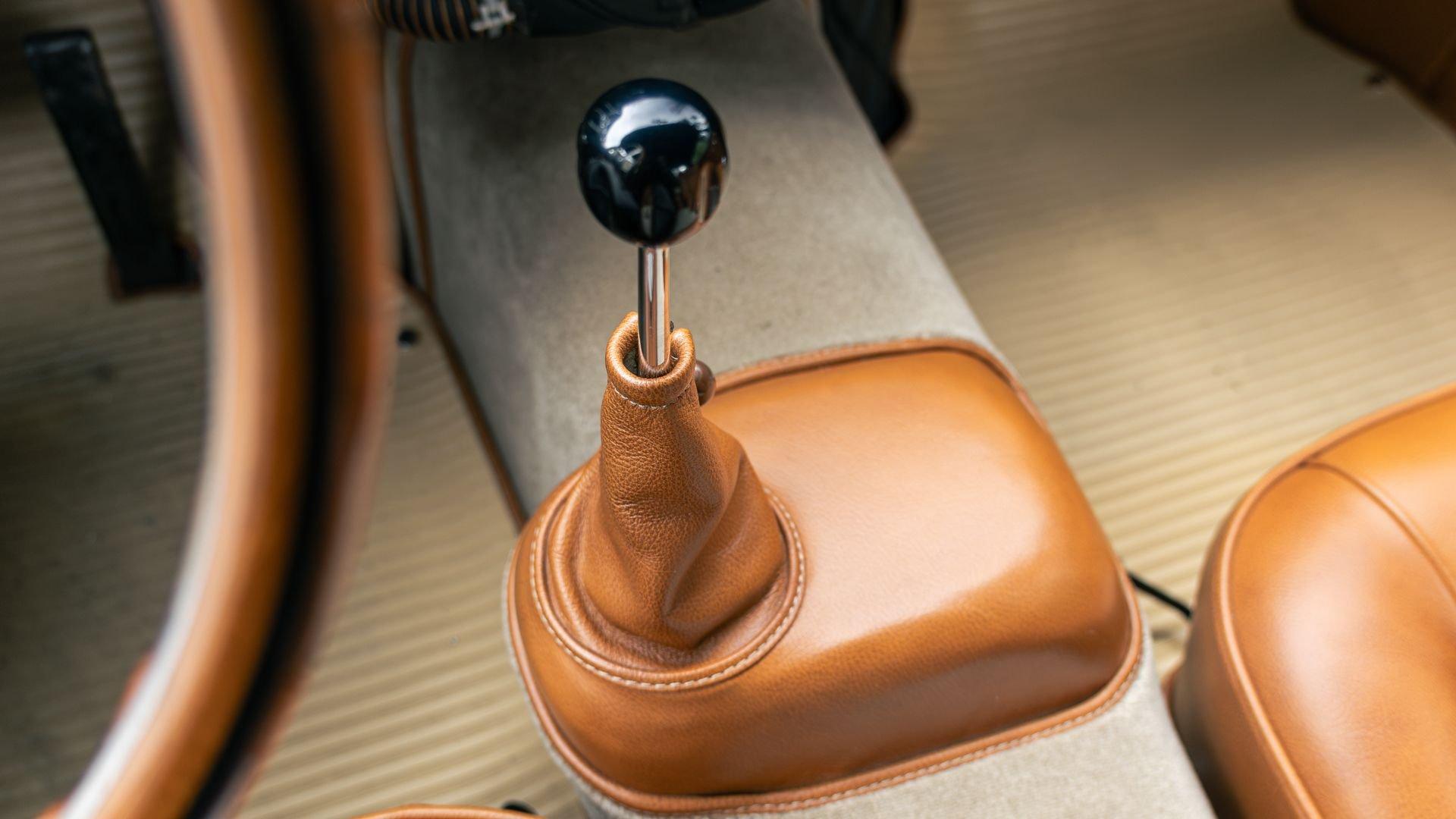
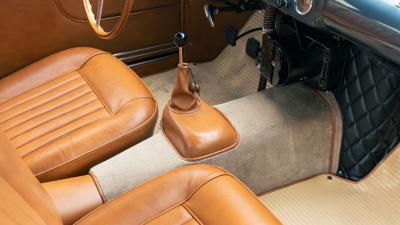
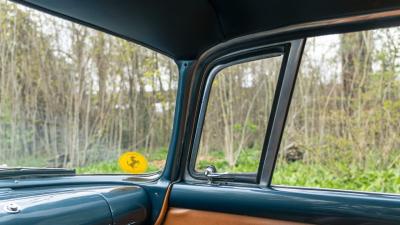
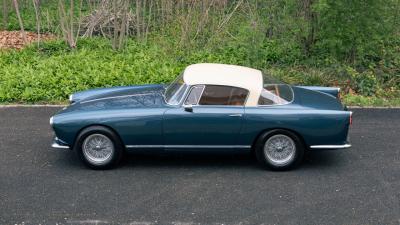
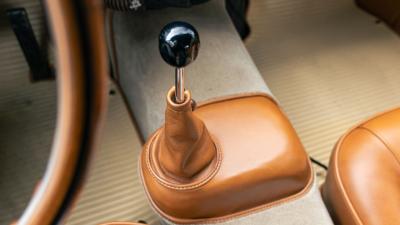
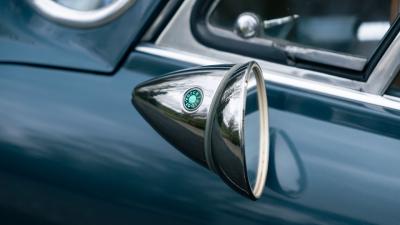
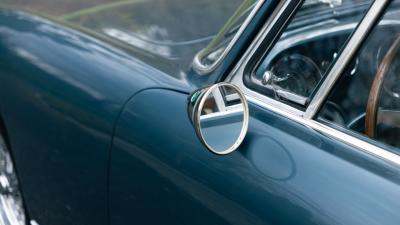
An estimated 68 to 80 examples were built before Mario Boano departed for Fiat in 1957, transferring the business to his partner Luciano Pollo and son-in-law Ezio Ellena. Renamed Carrozzeria Ellena, the firm carried the coupe into 1958 with several visible updates, most notably a roof raised by approximately 5 cm, which eliminated the need for the side vent windows of the earlier cars, along with a standardized shift pattern. Yet even within the already limited production of the early “low-roof” Boano-built coupes, an even more exclusive subset existed in approximately 14 examples bodied not in steel but in hand-formed aluminum alloy during the earliest phase of production. Widely regarded as the most coveted of the series, these alloy-bodied cars were lighter with competition in mind, more labor-intensive to construct, and remain deeply desirable among knowledgeable Ferrari collectors today.
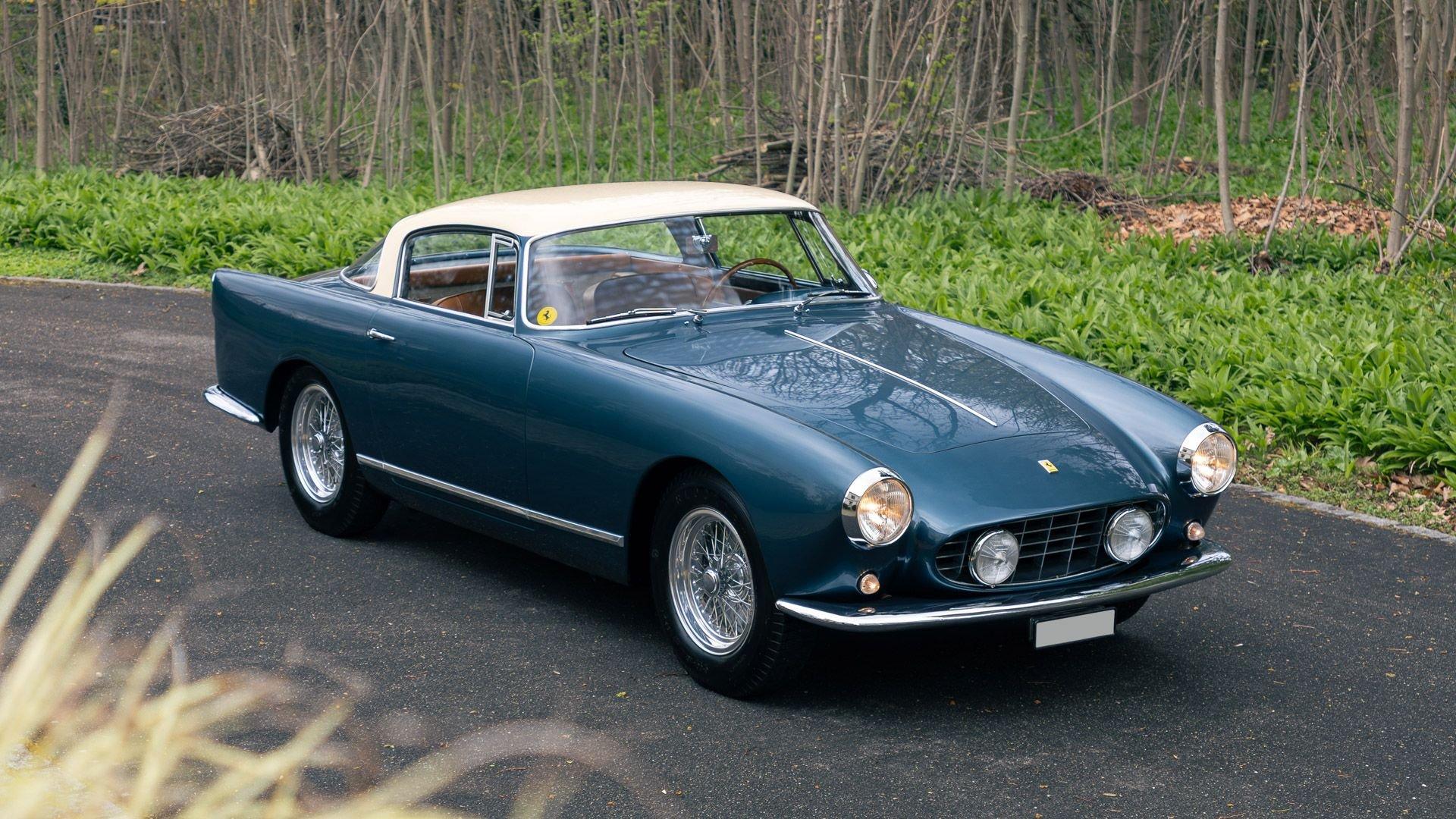
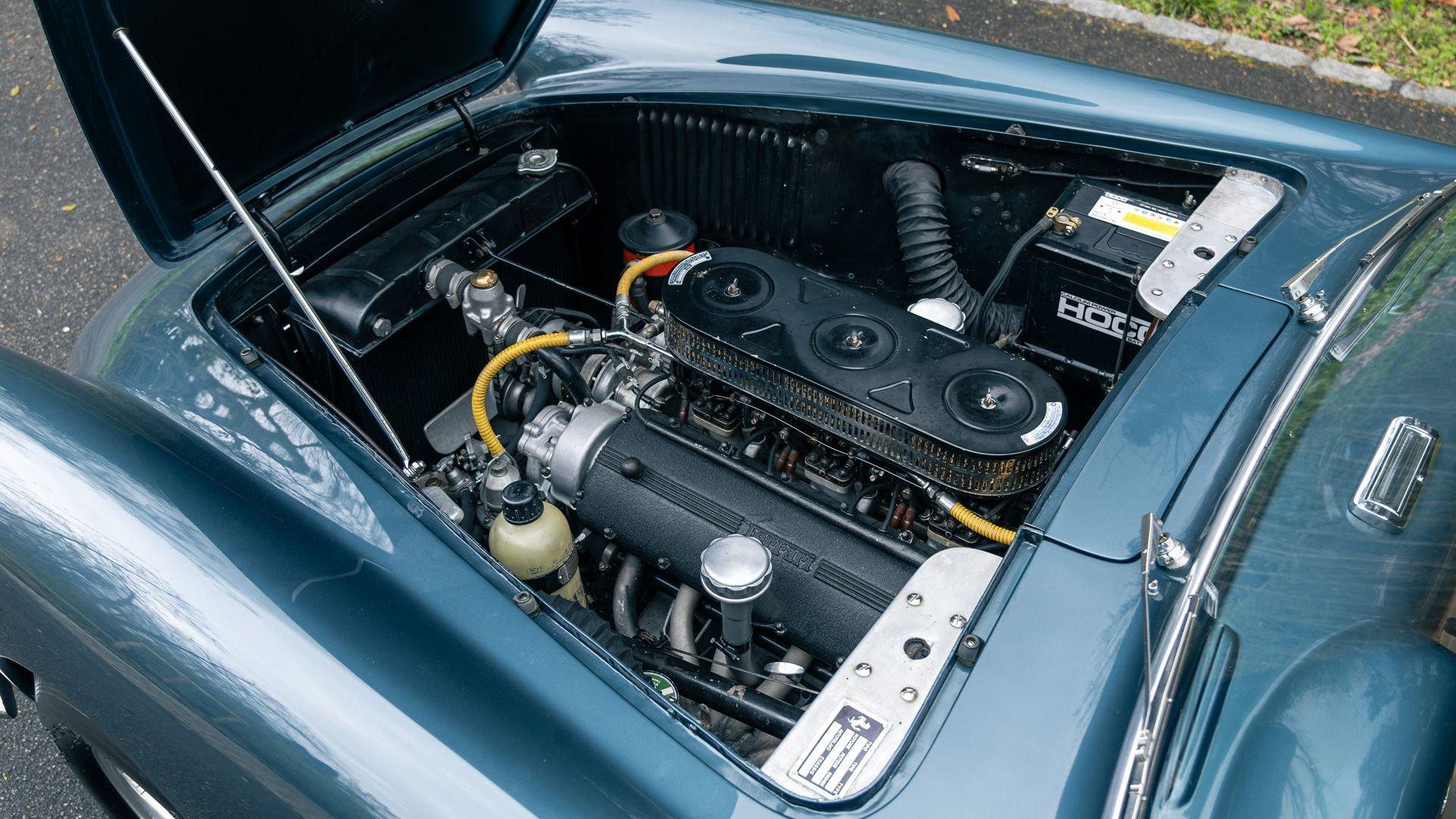
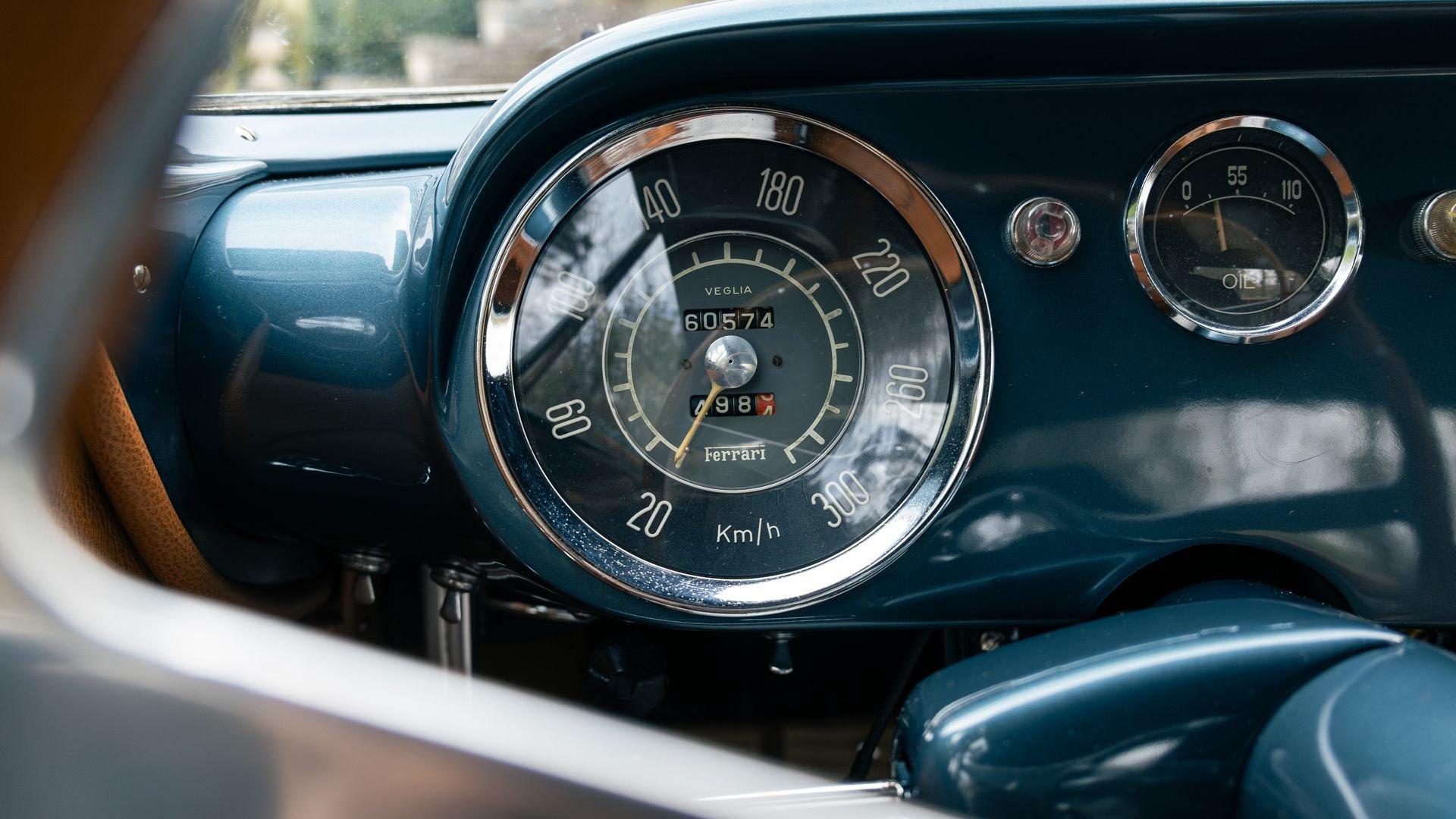
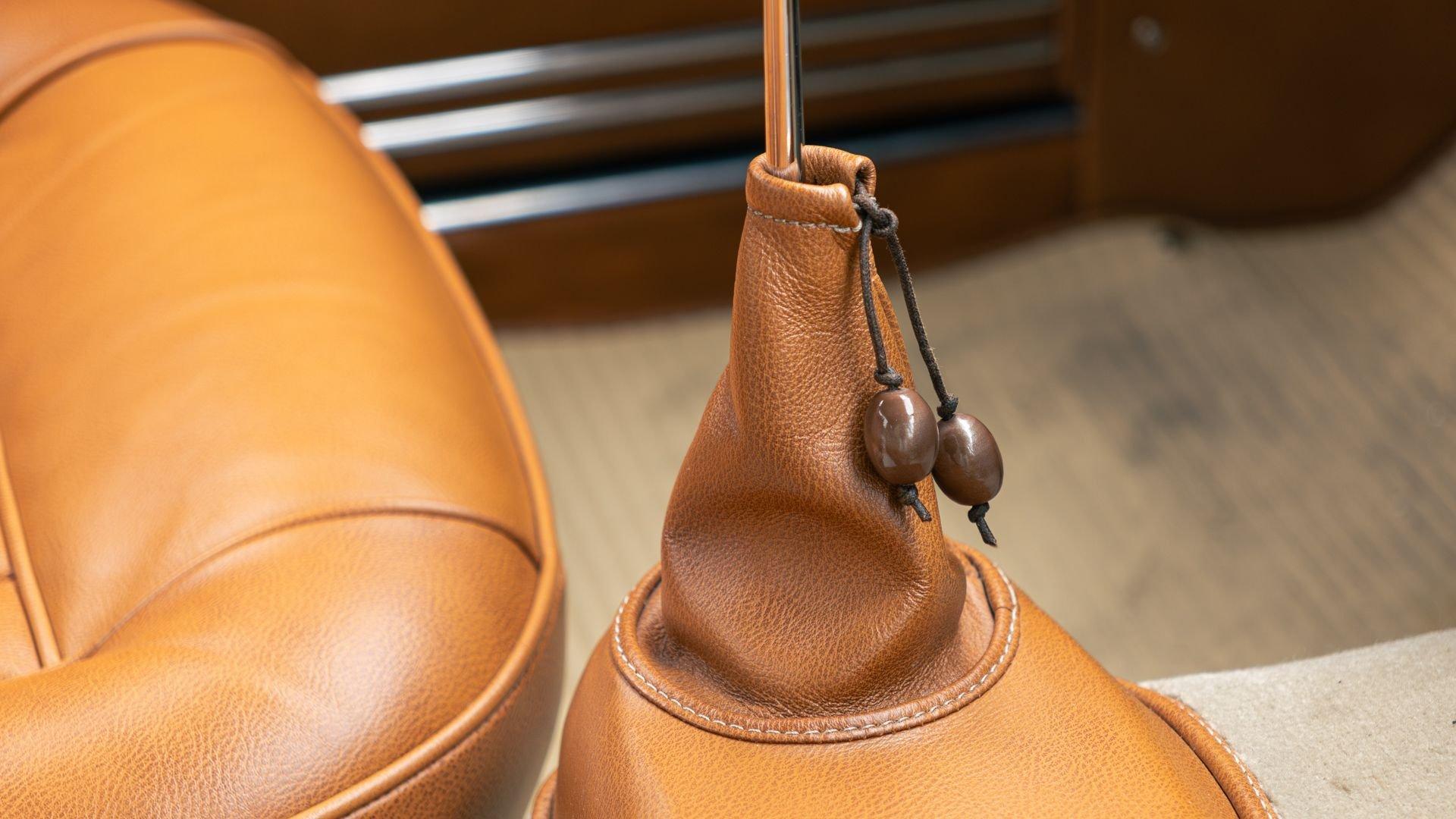
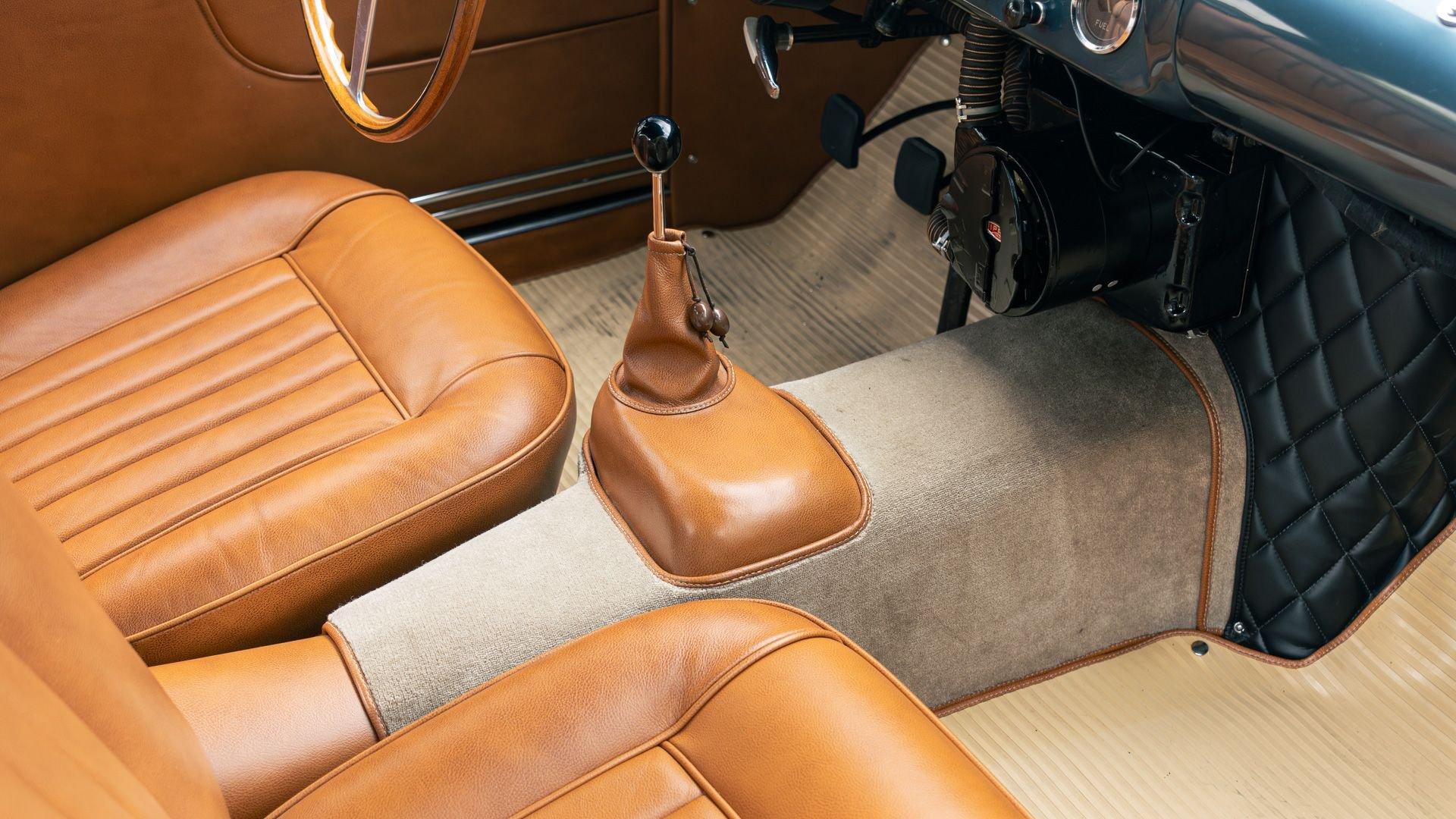
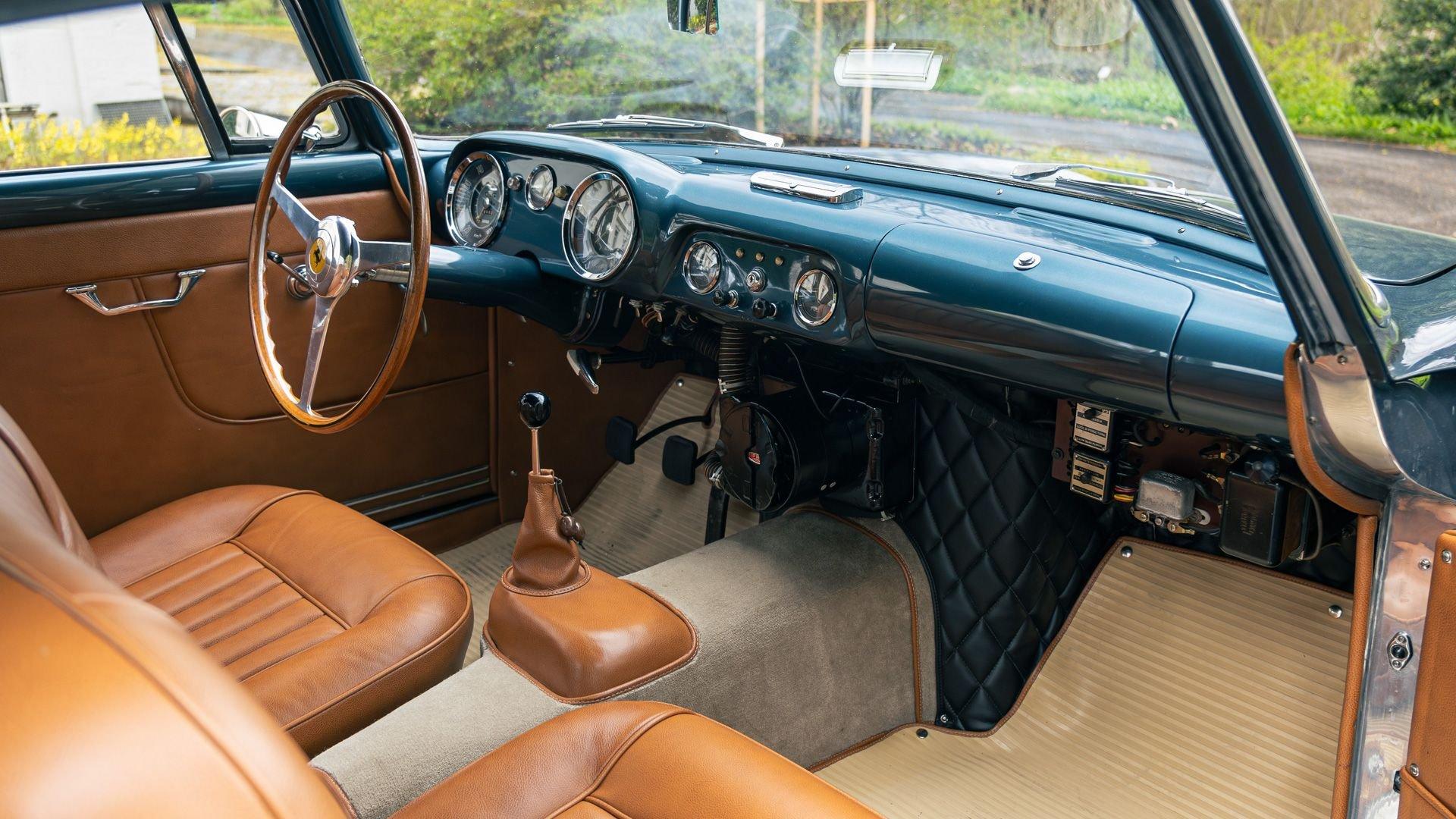
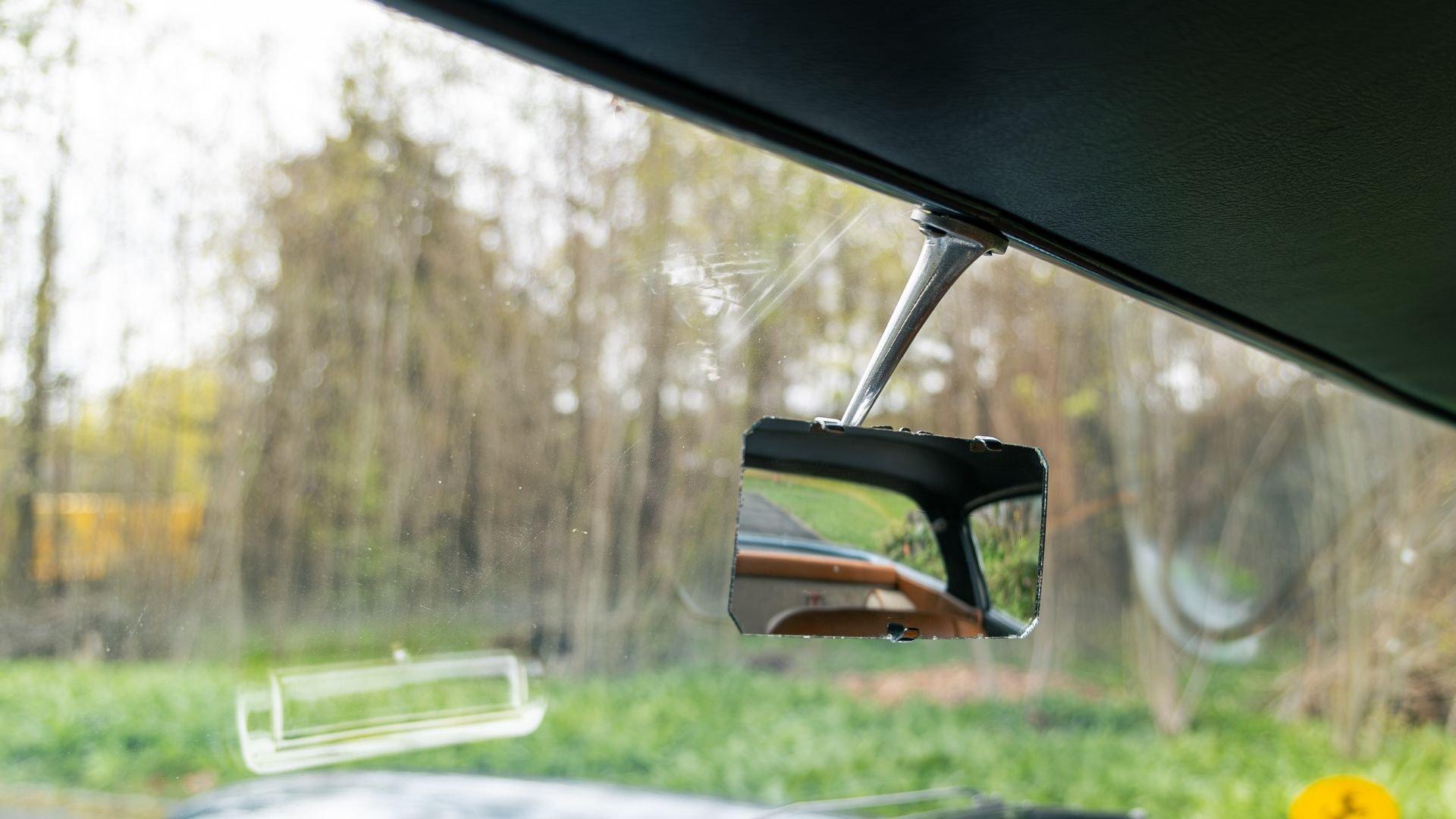
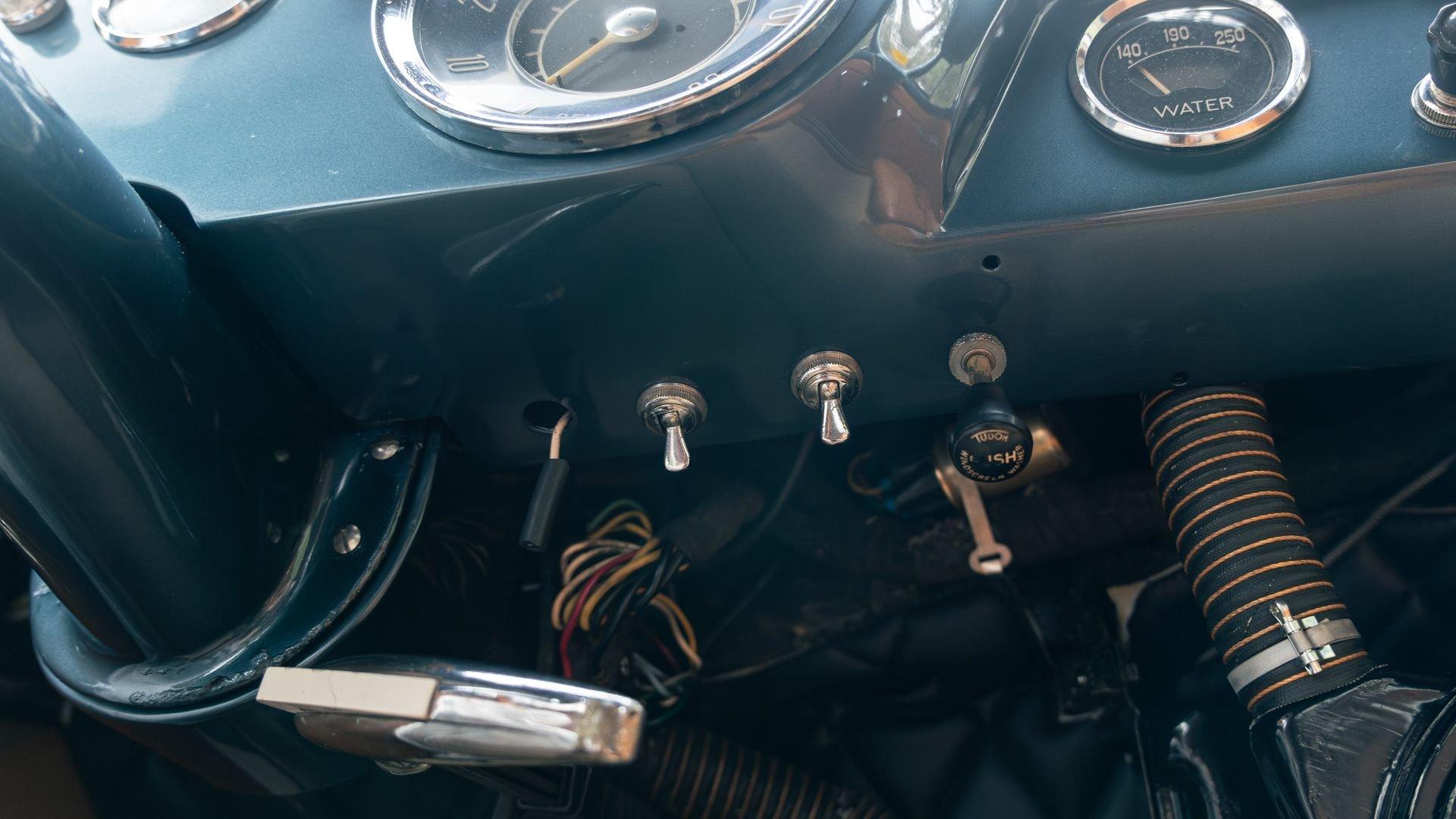
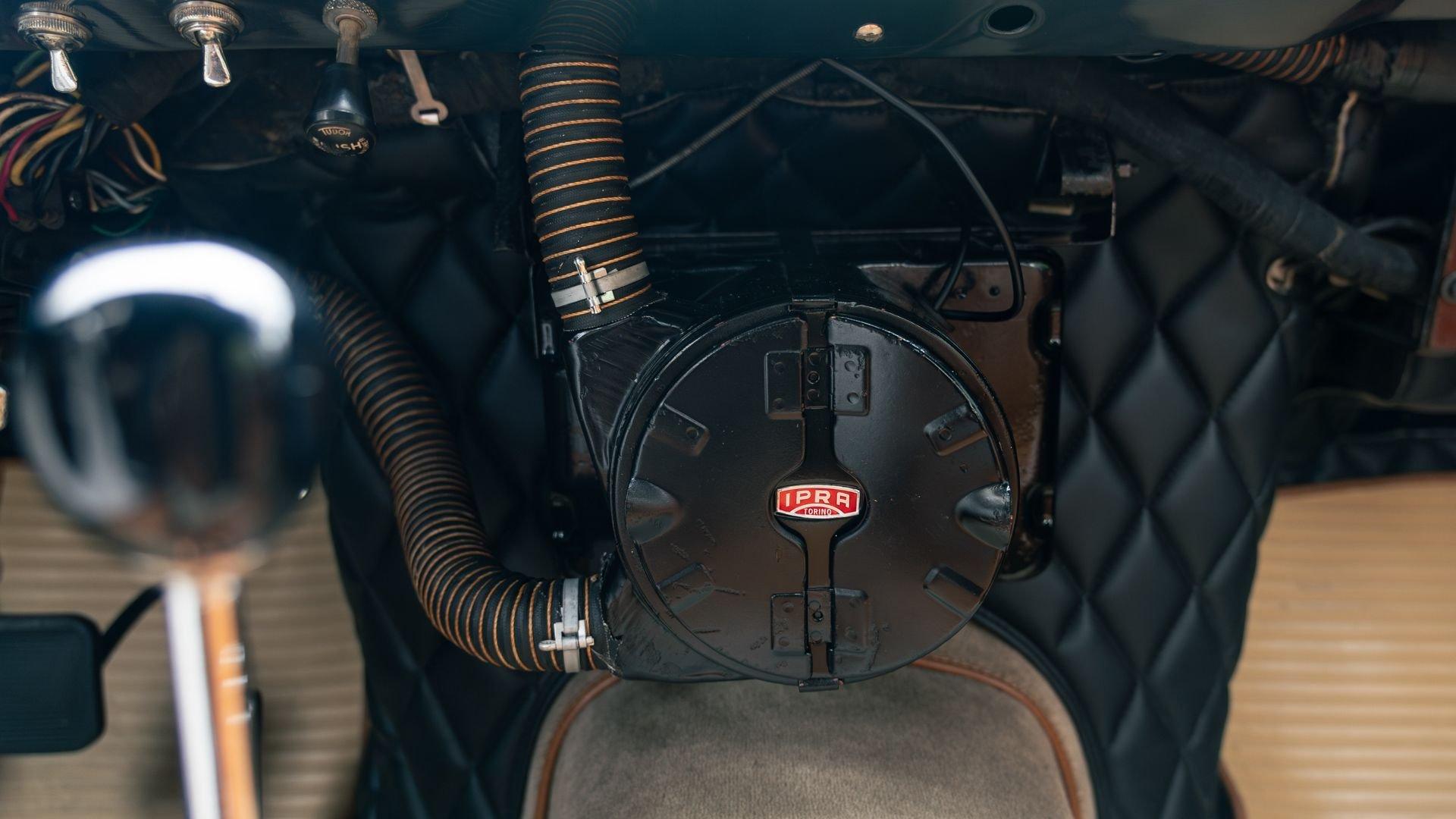
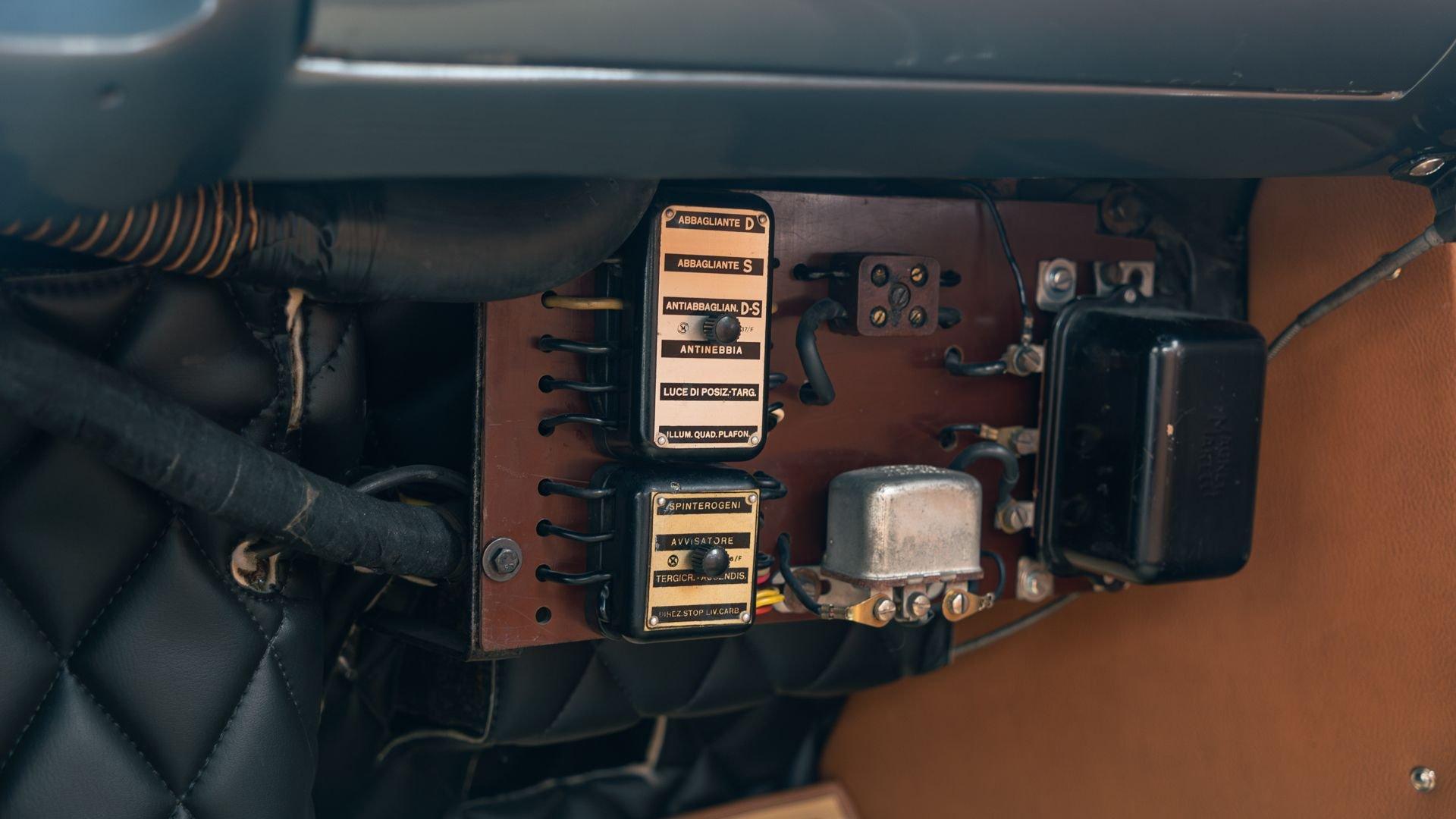
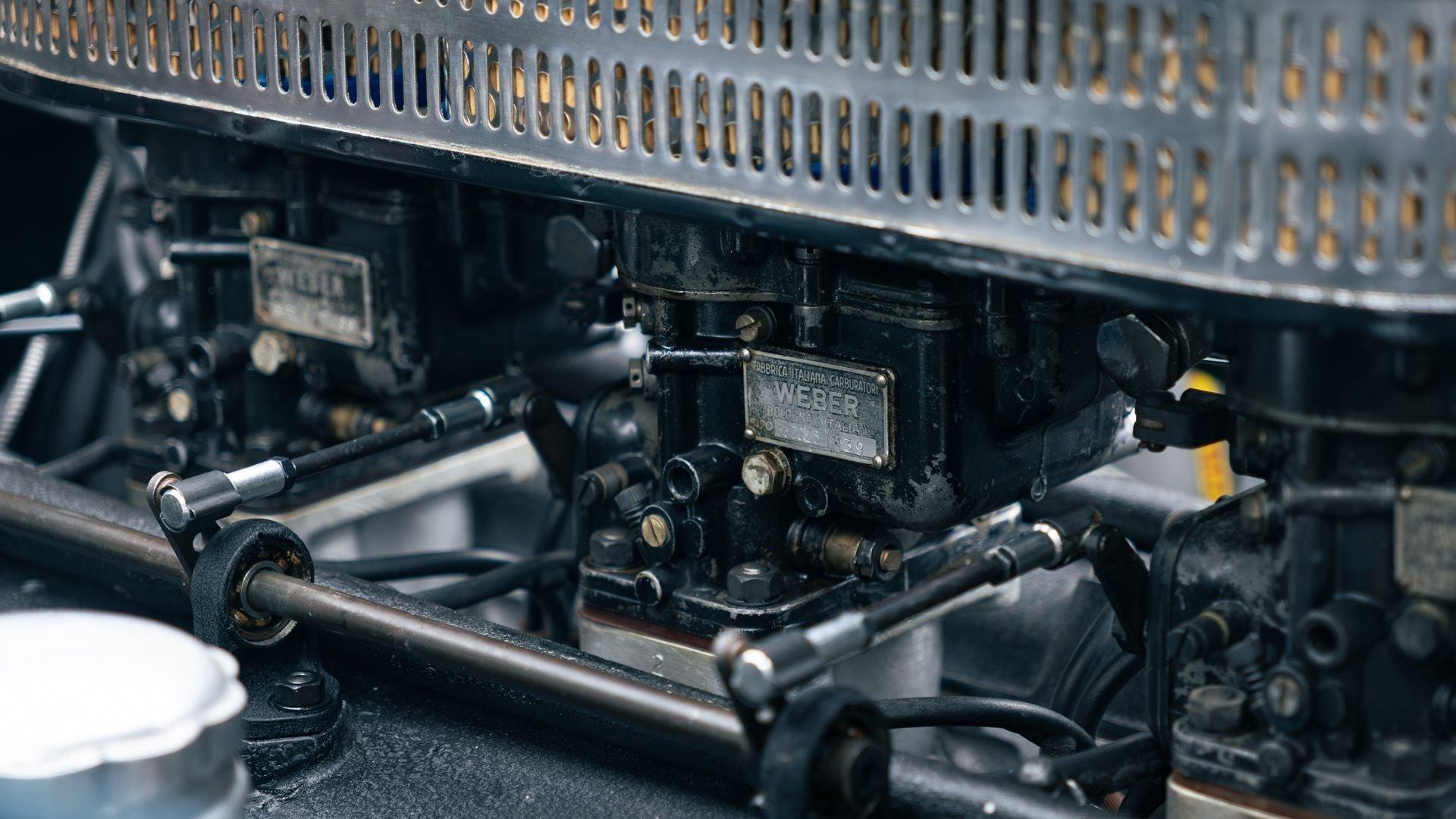
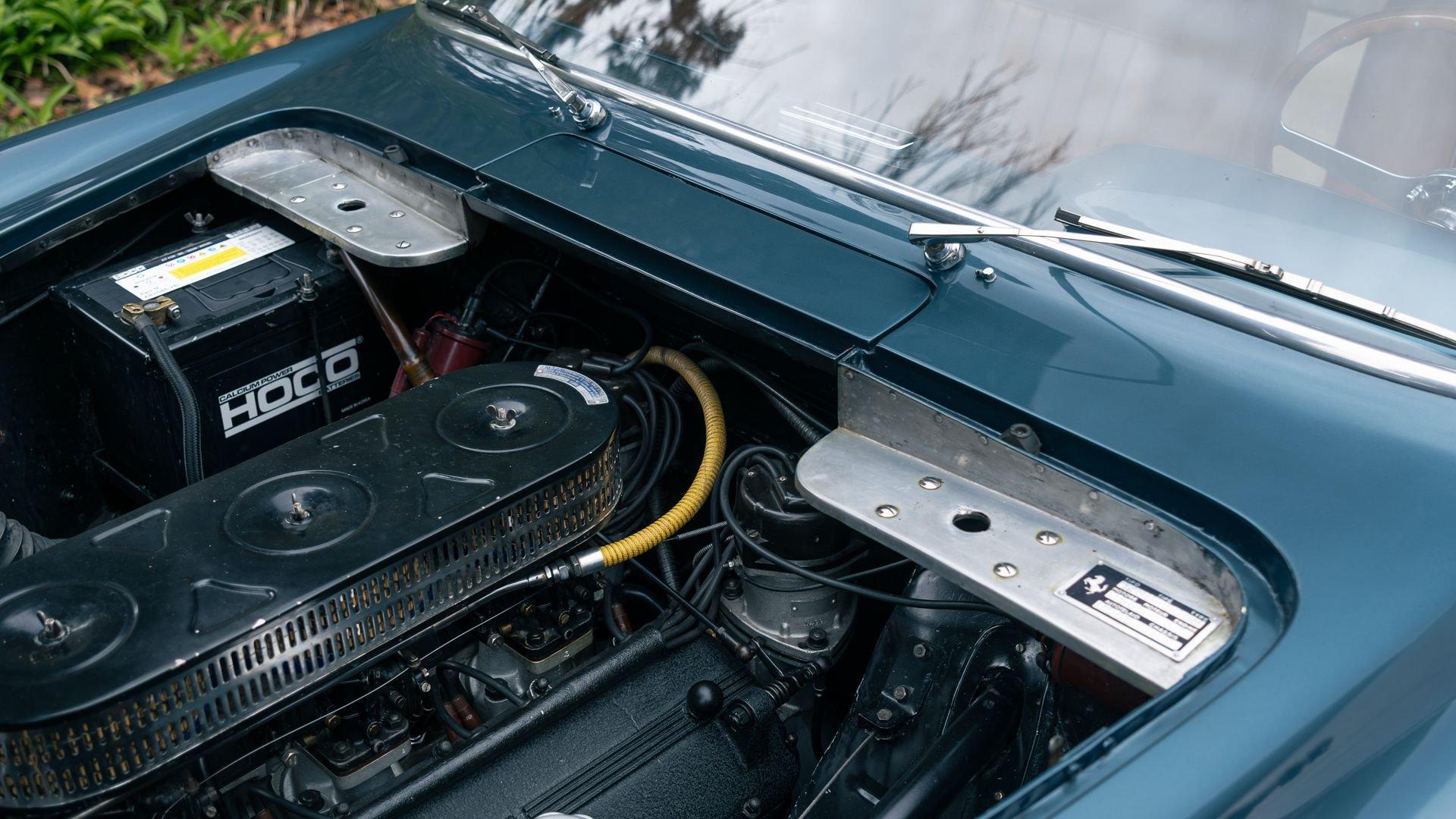
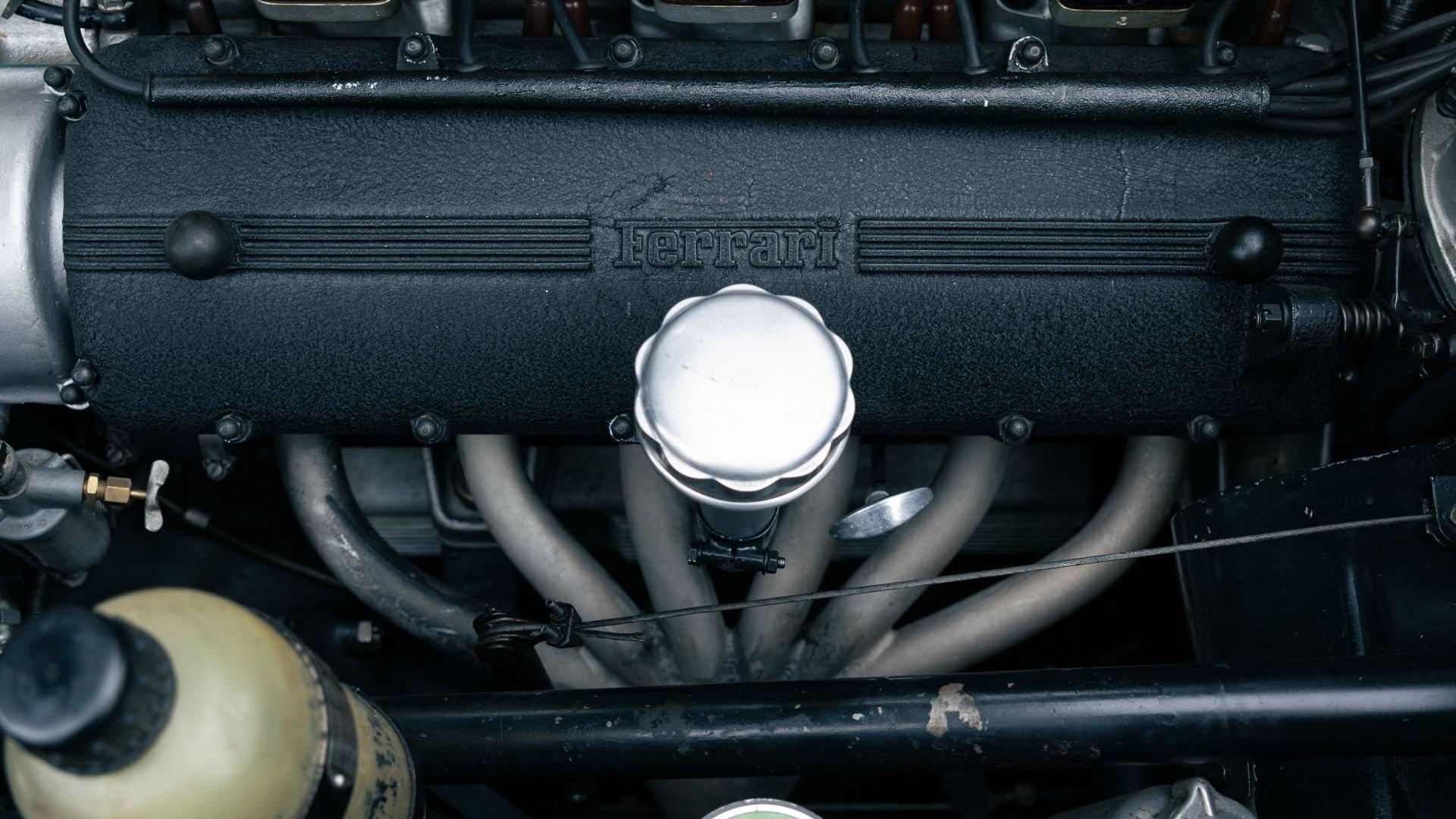
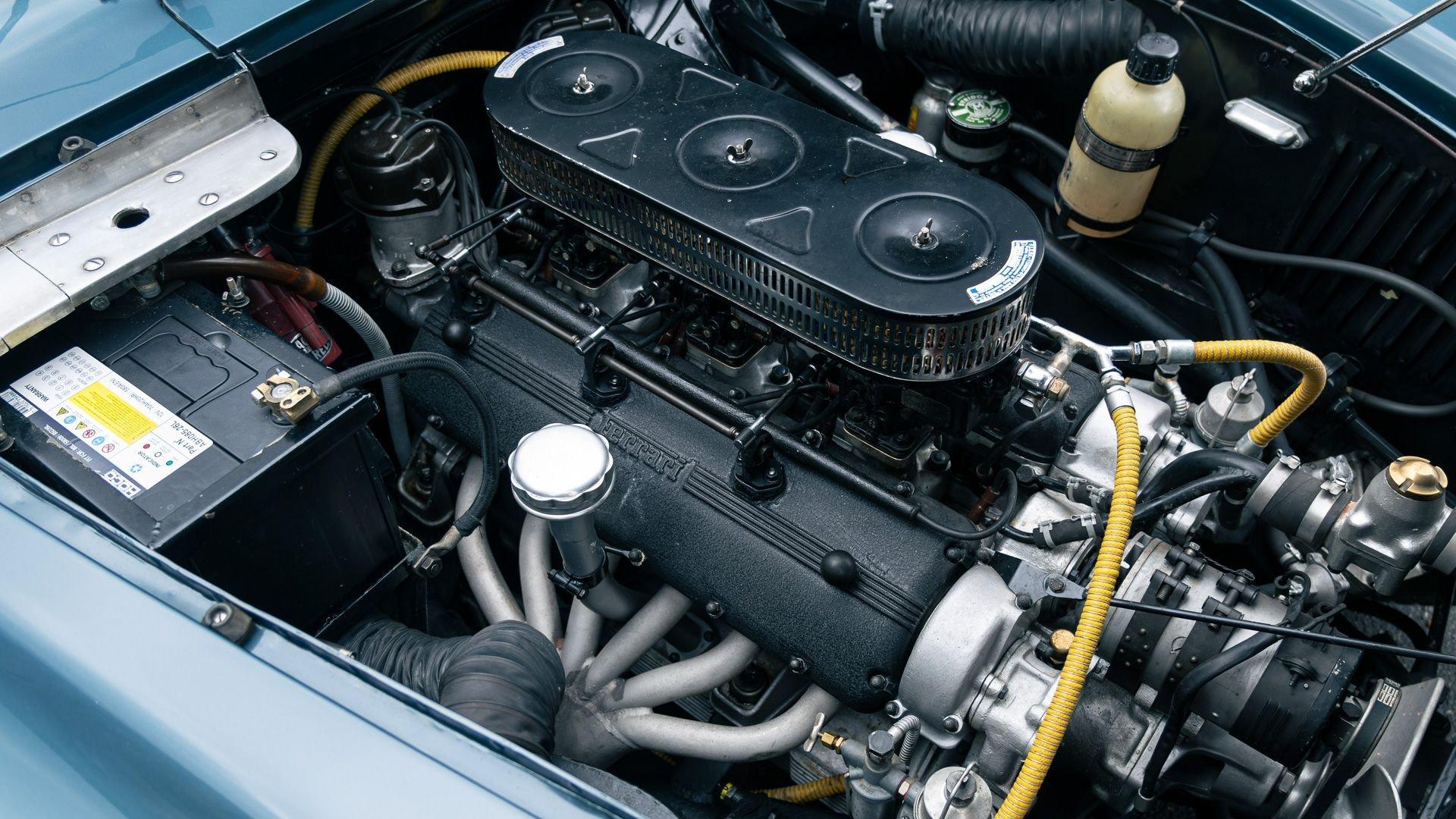
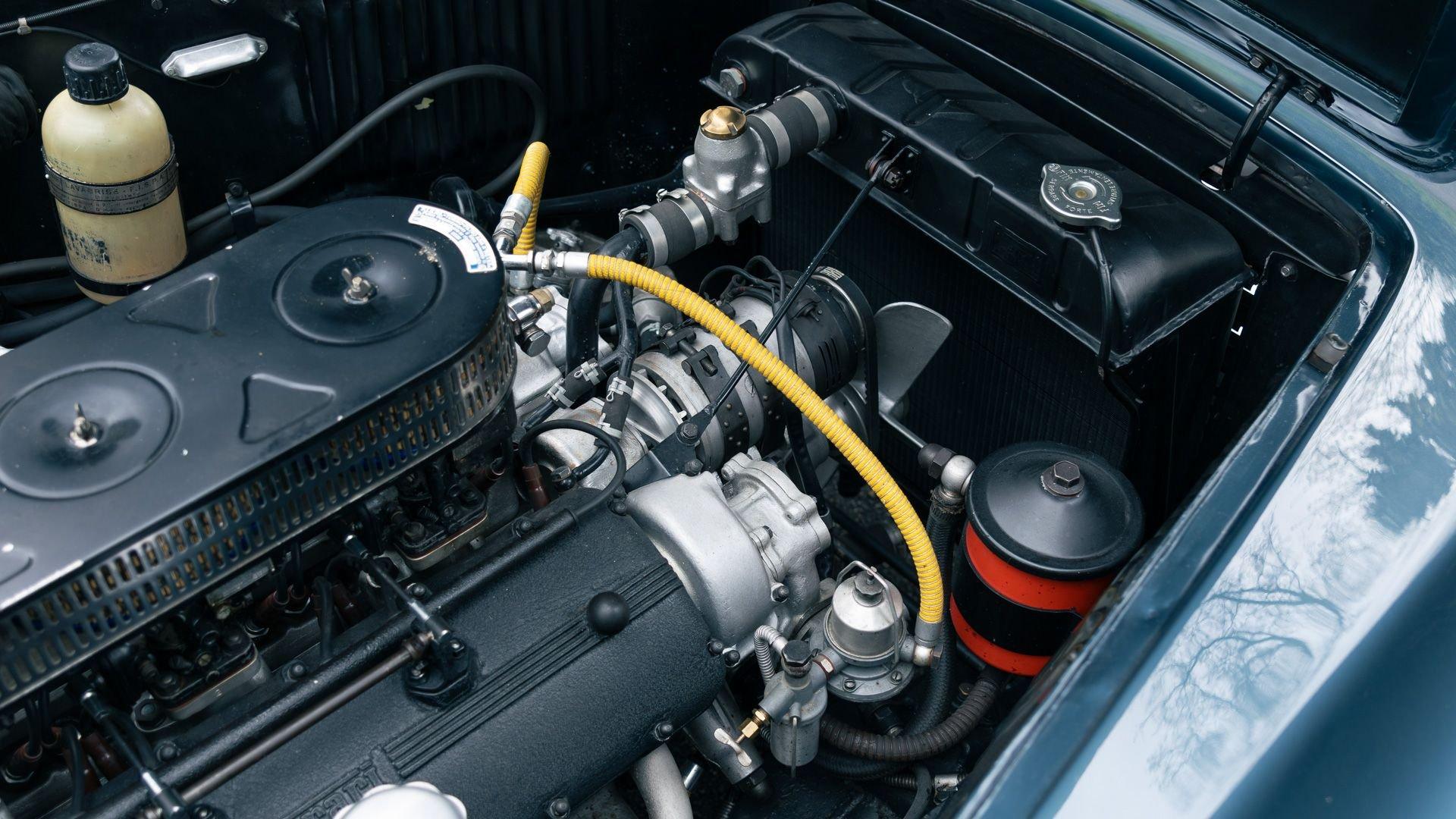
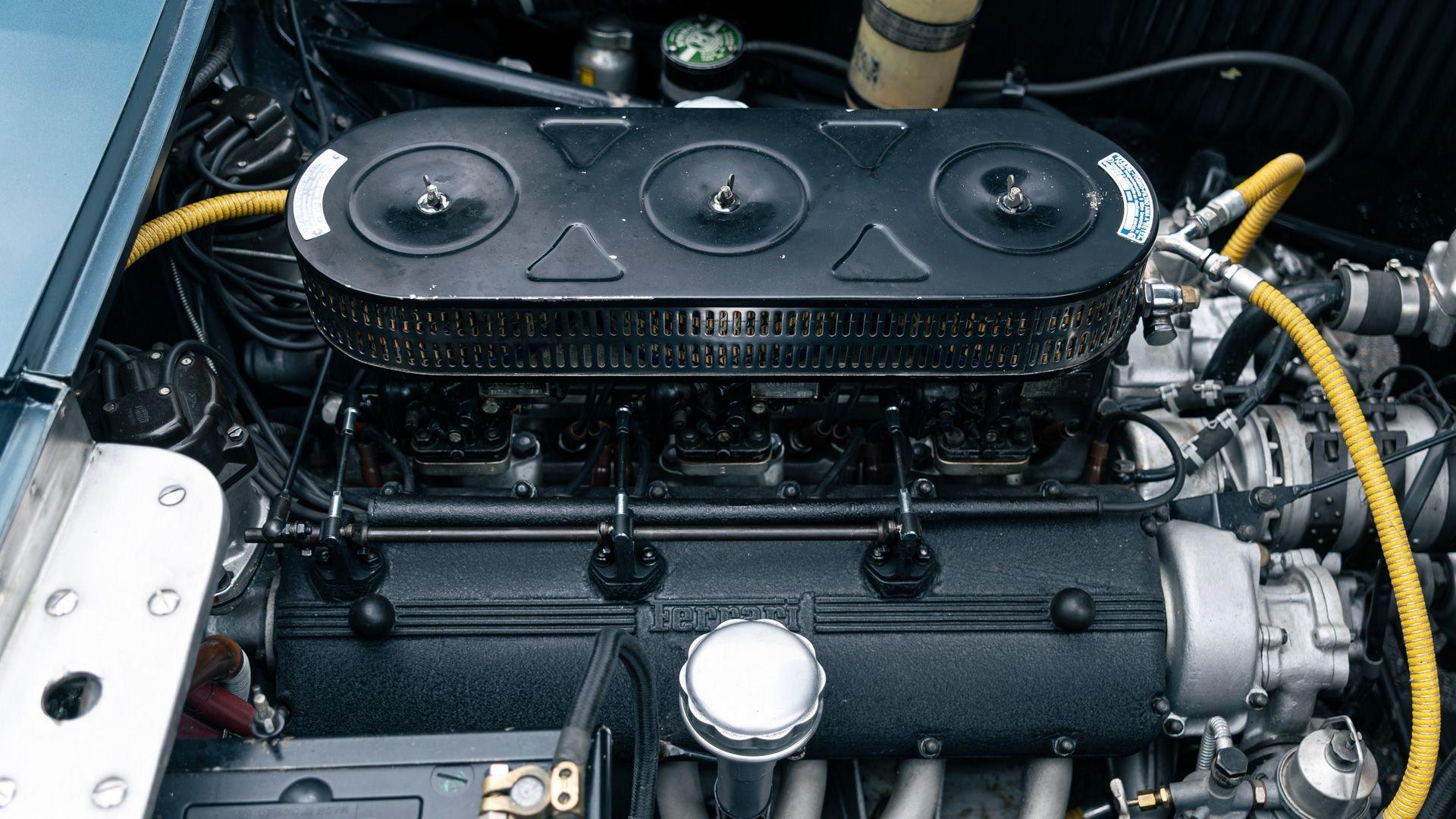
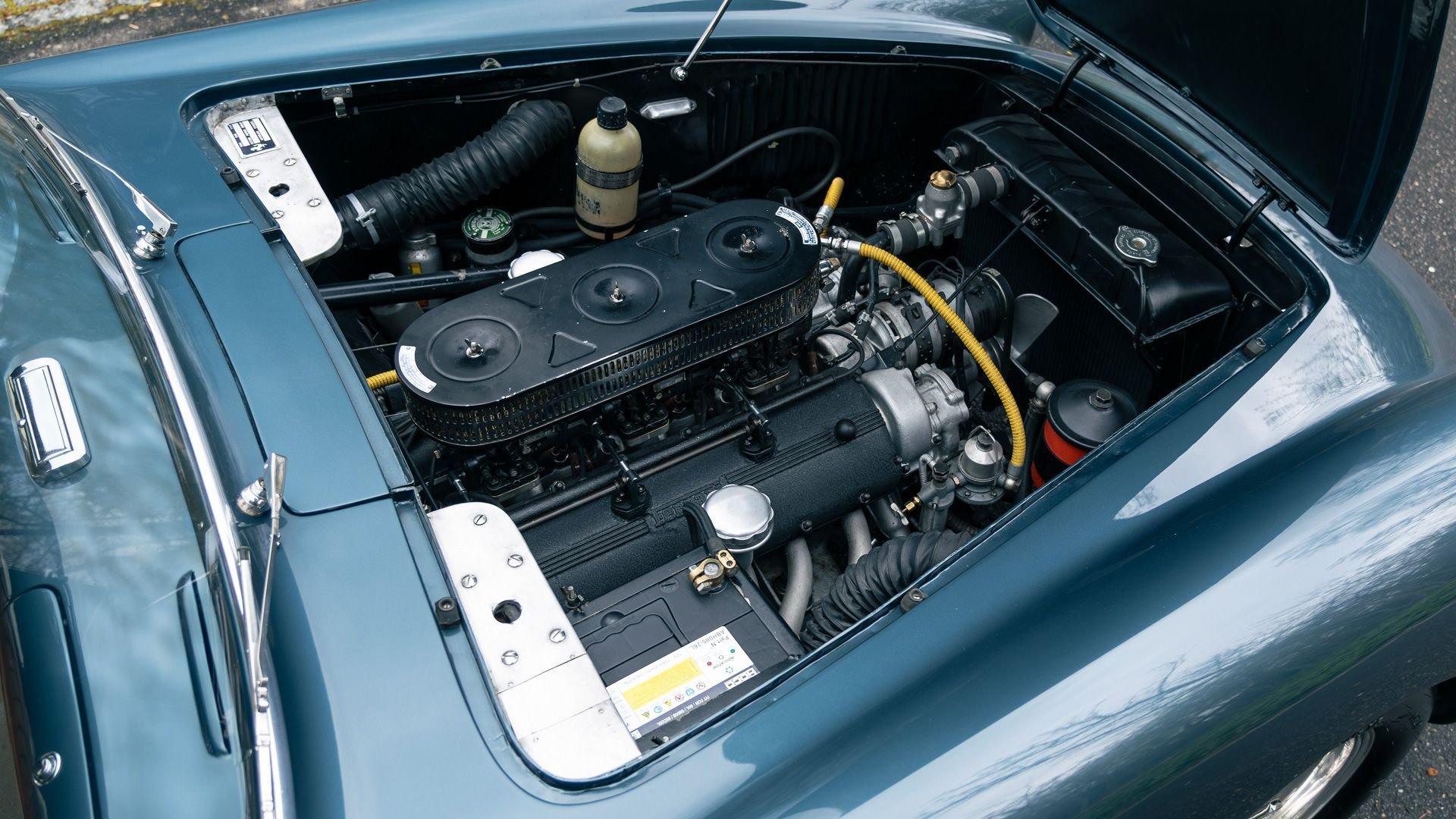
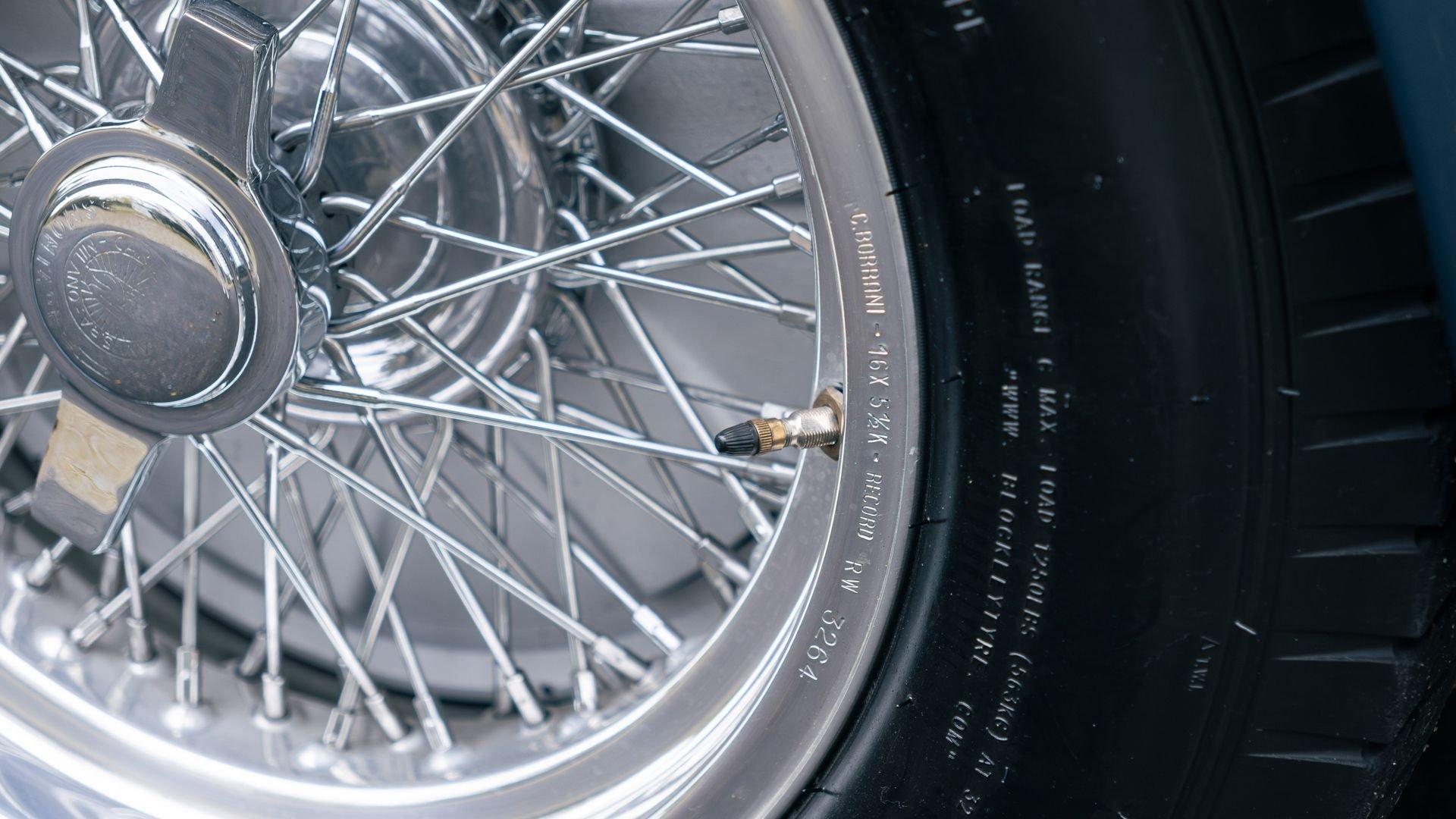
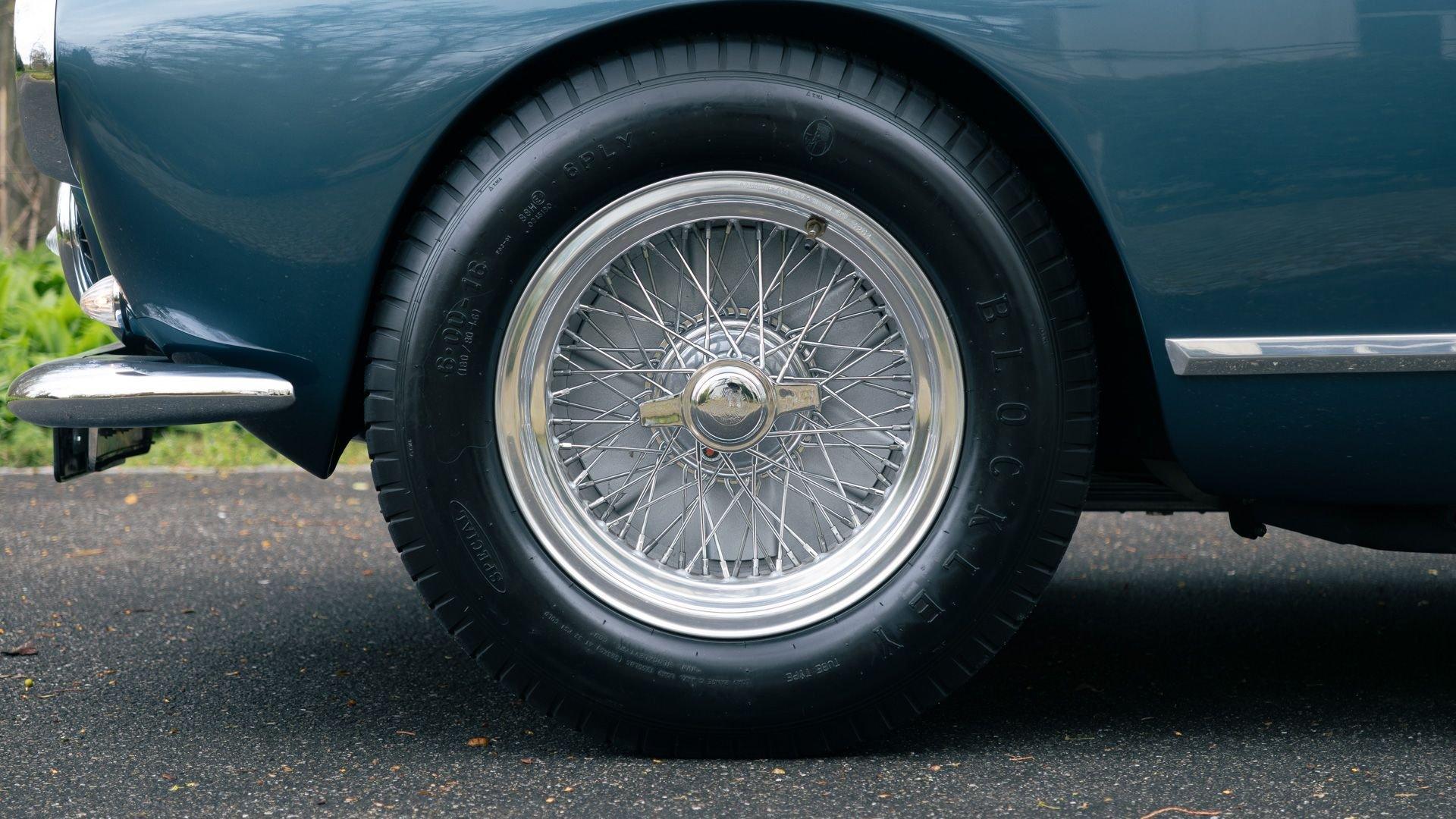
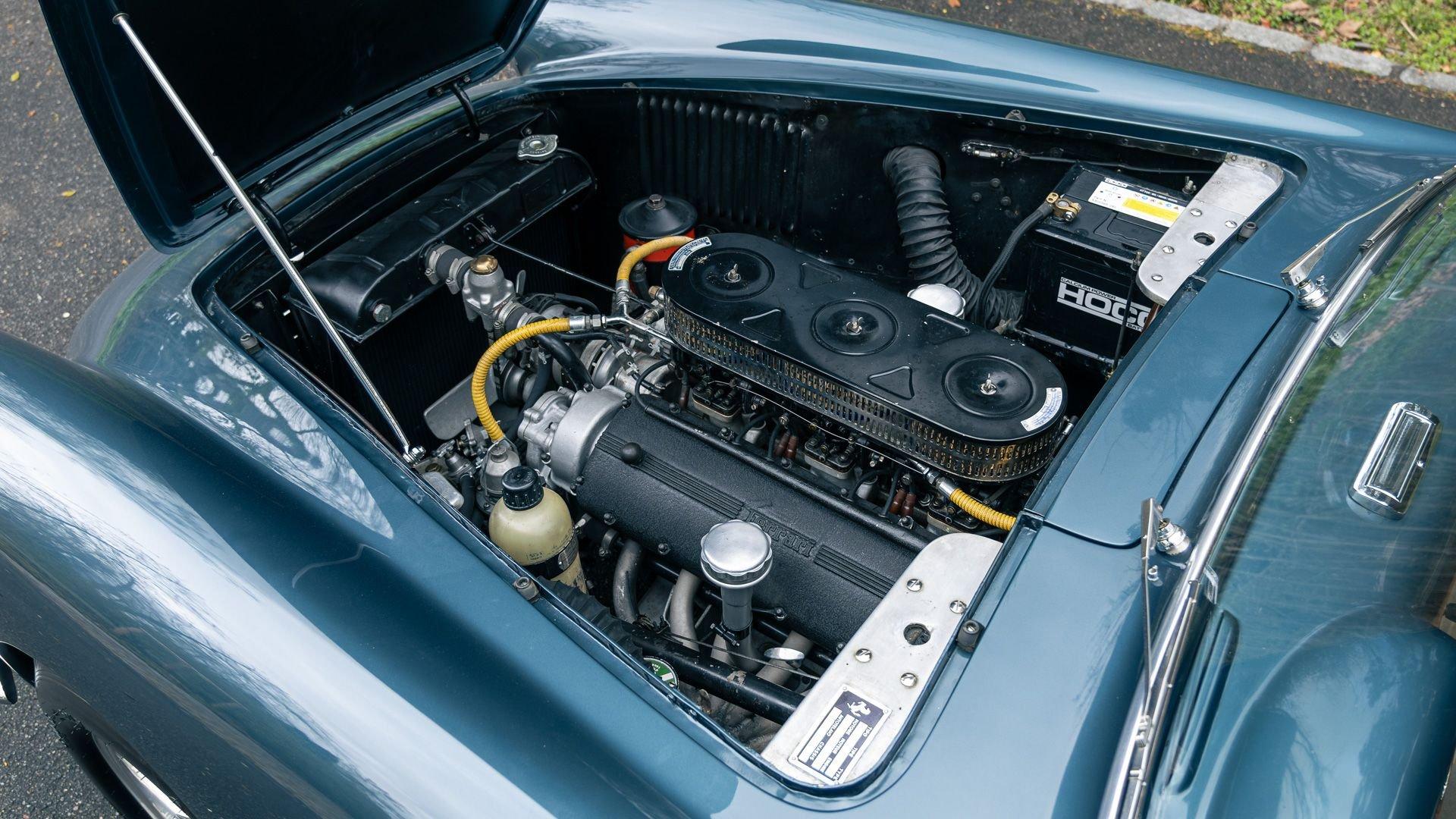
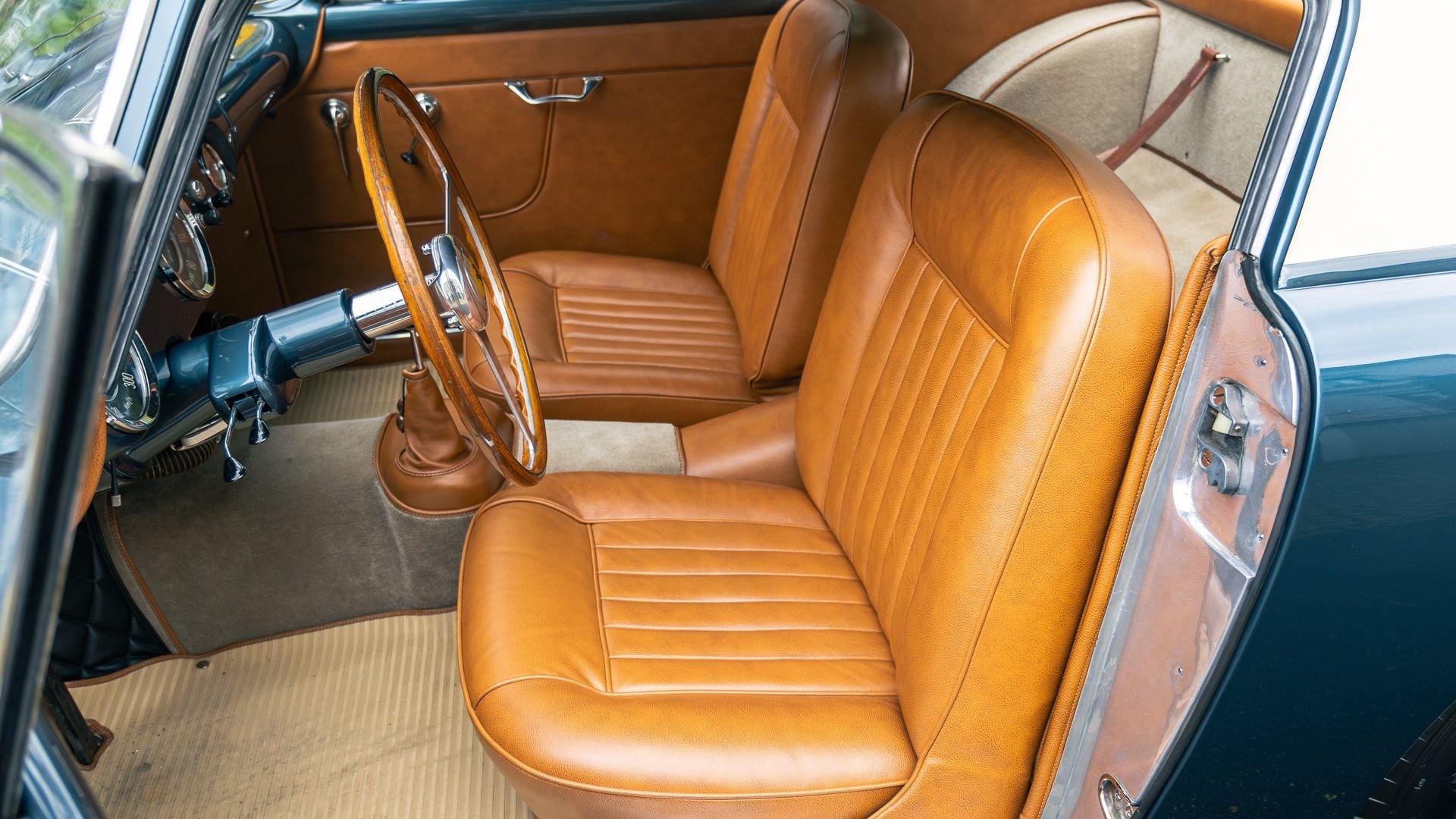
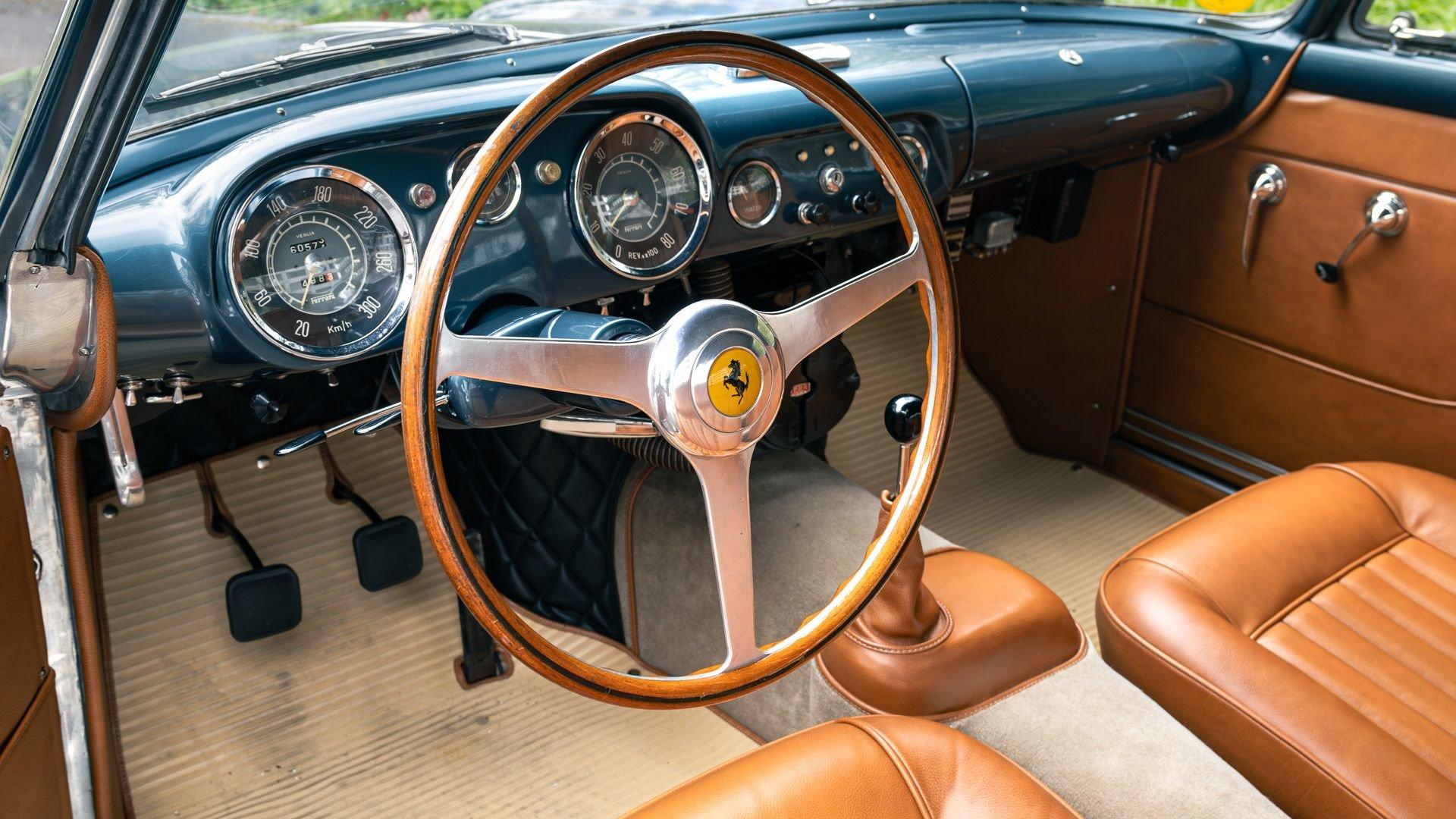
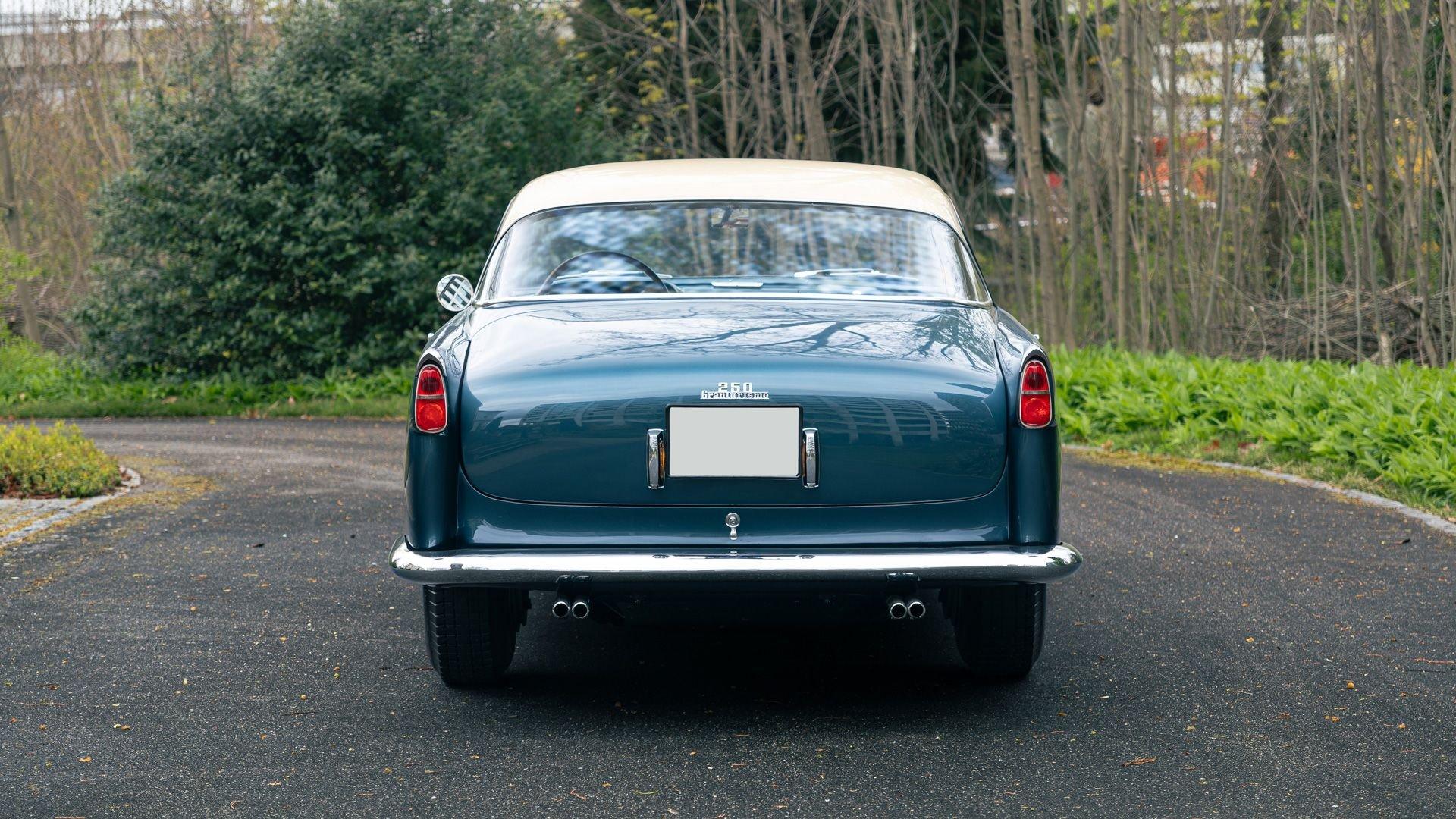
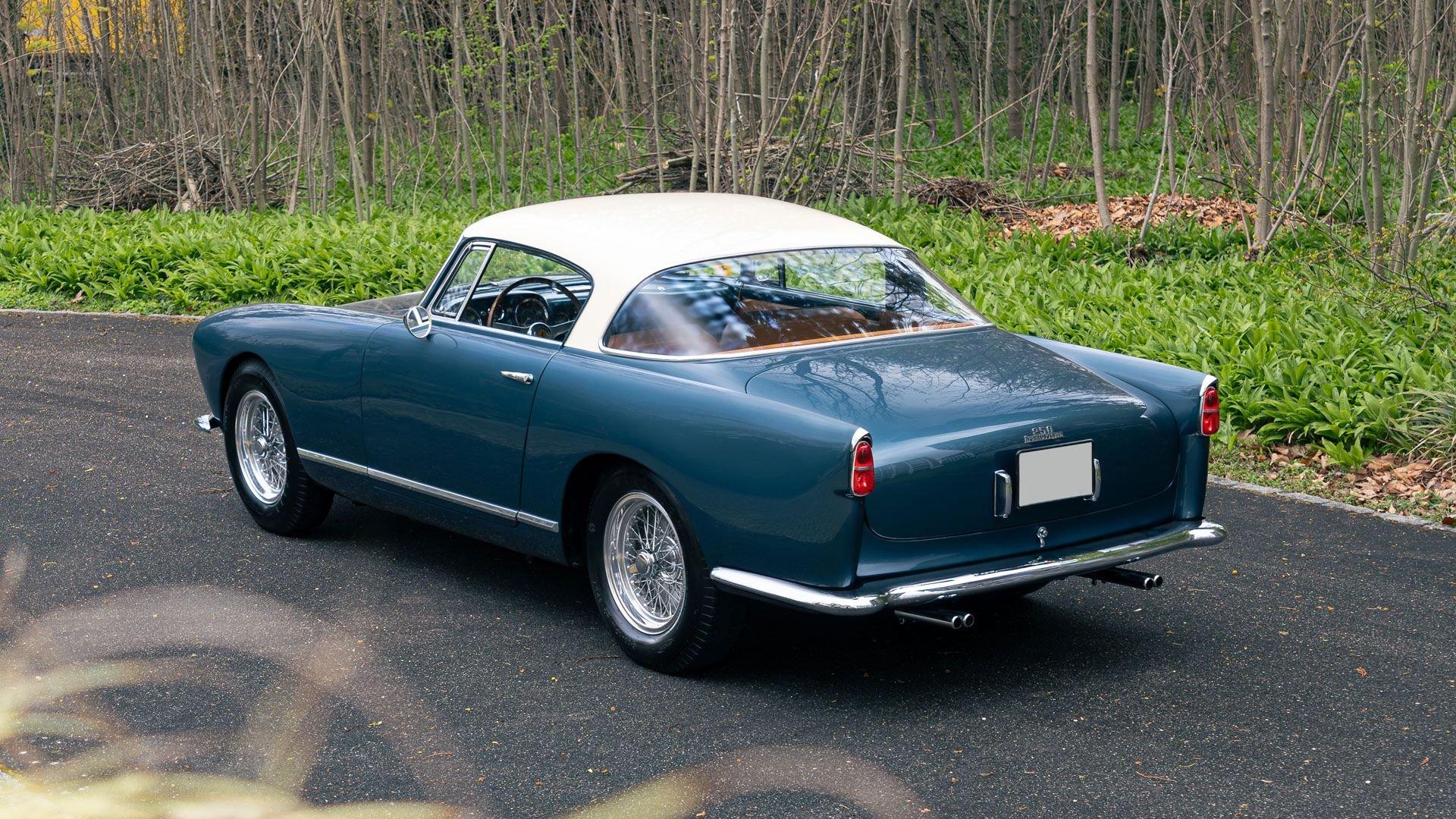
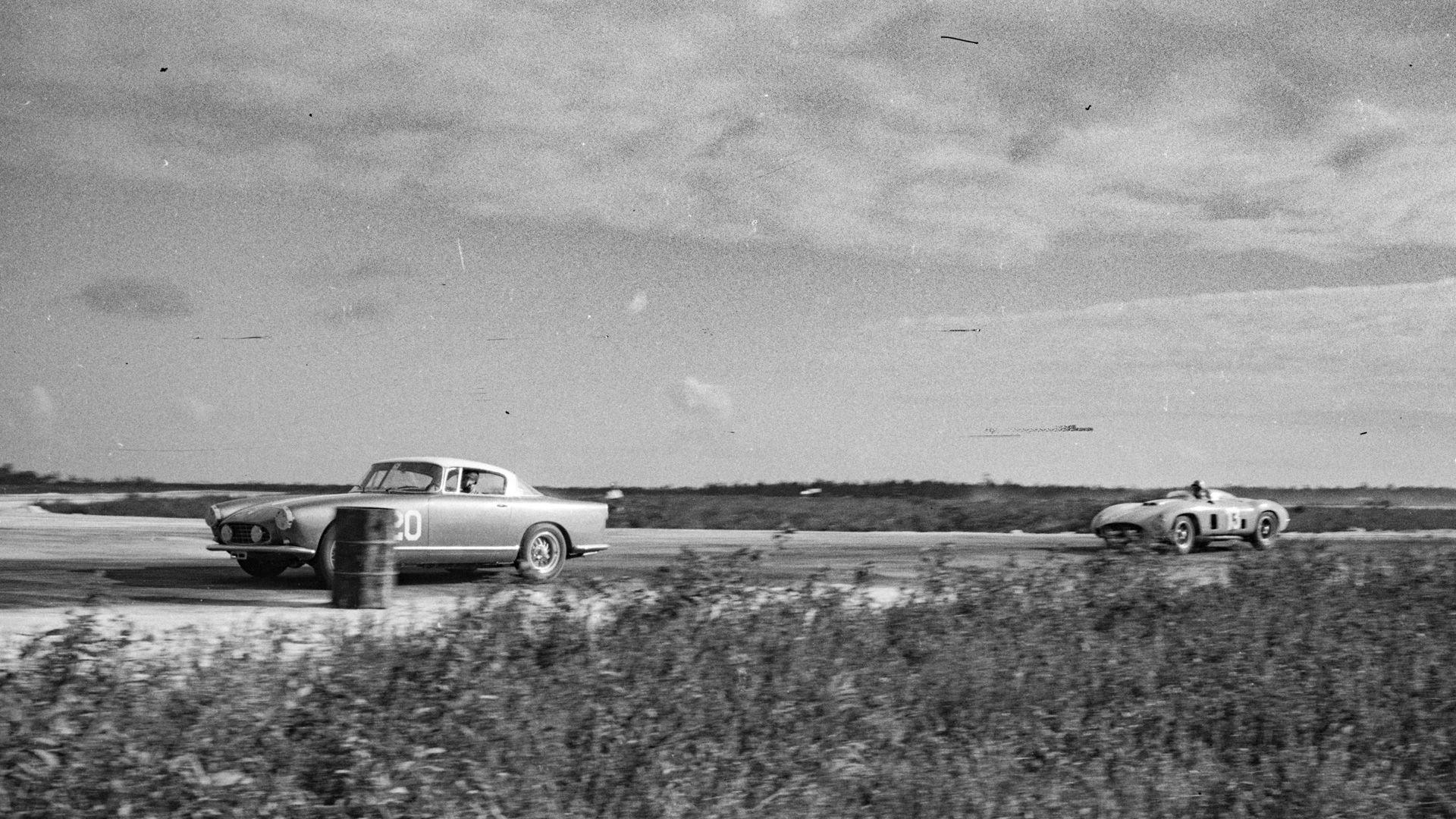
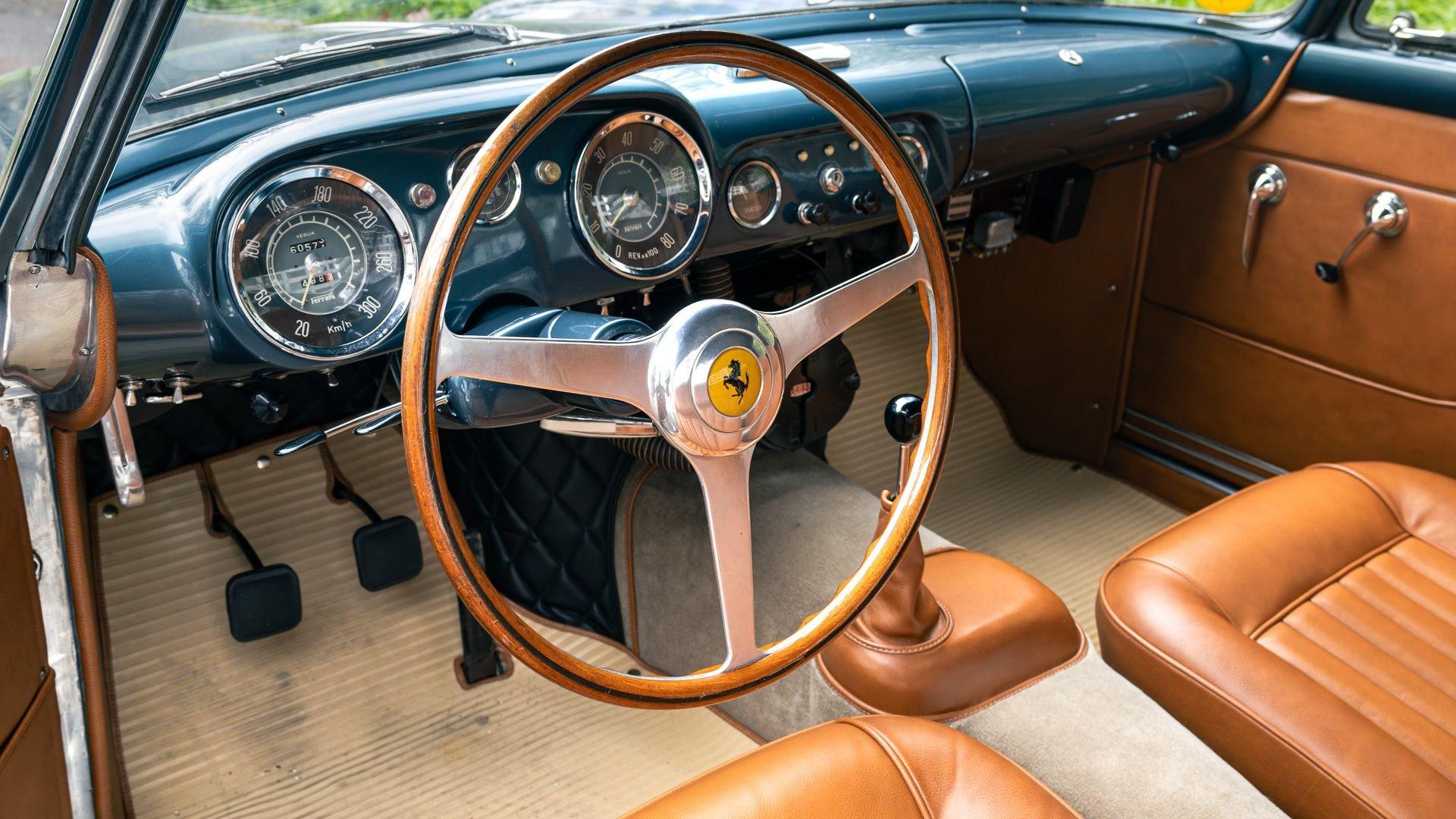
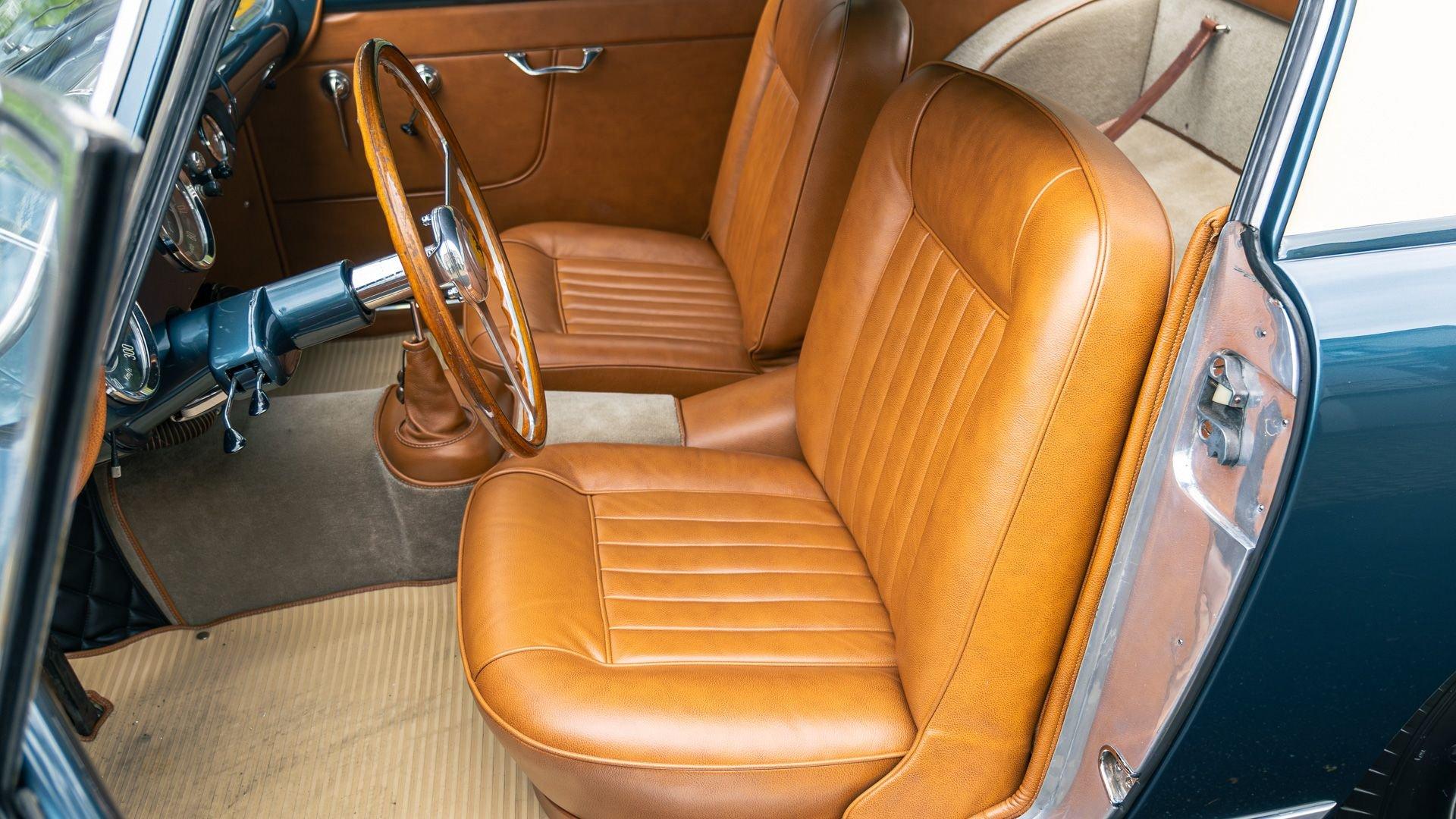
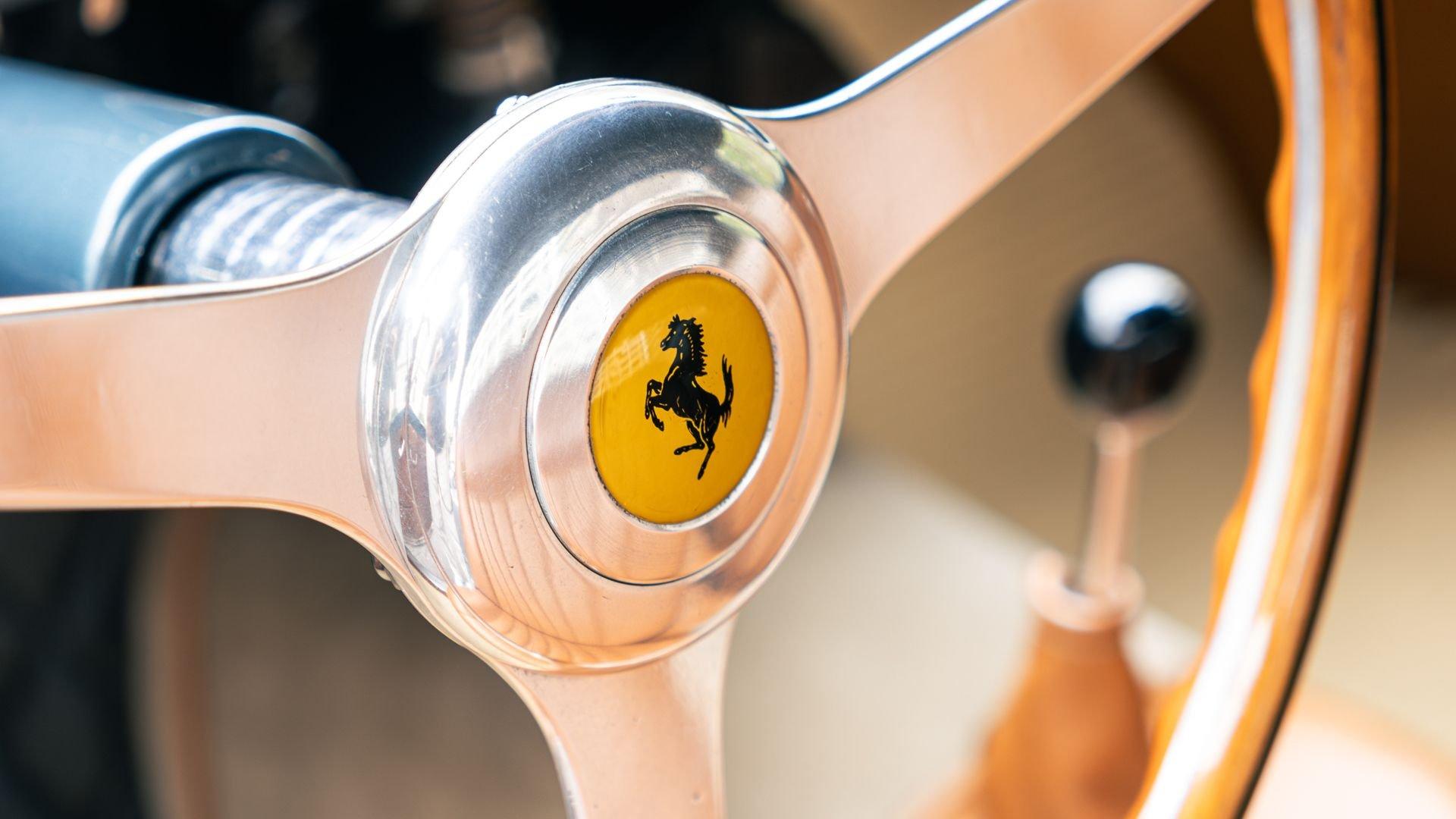
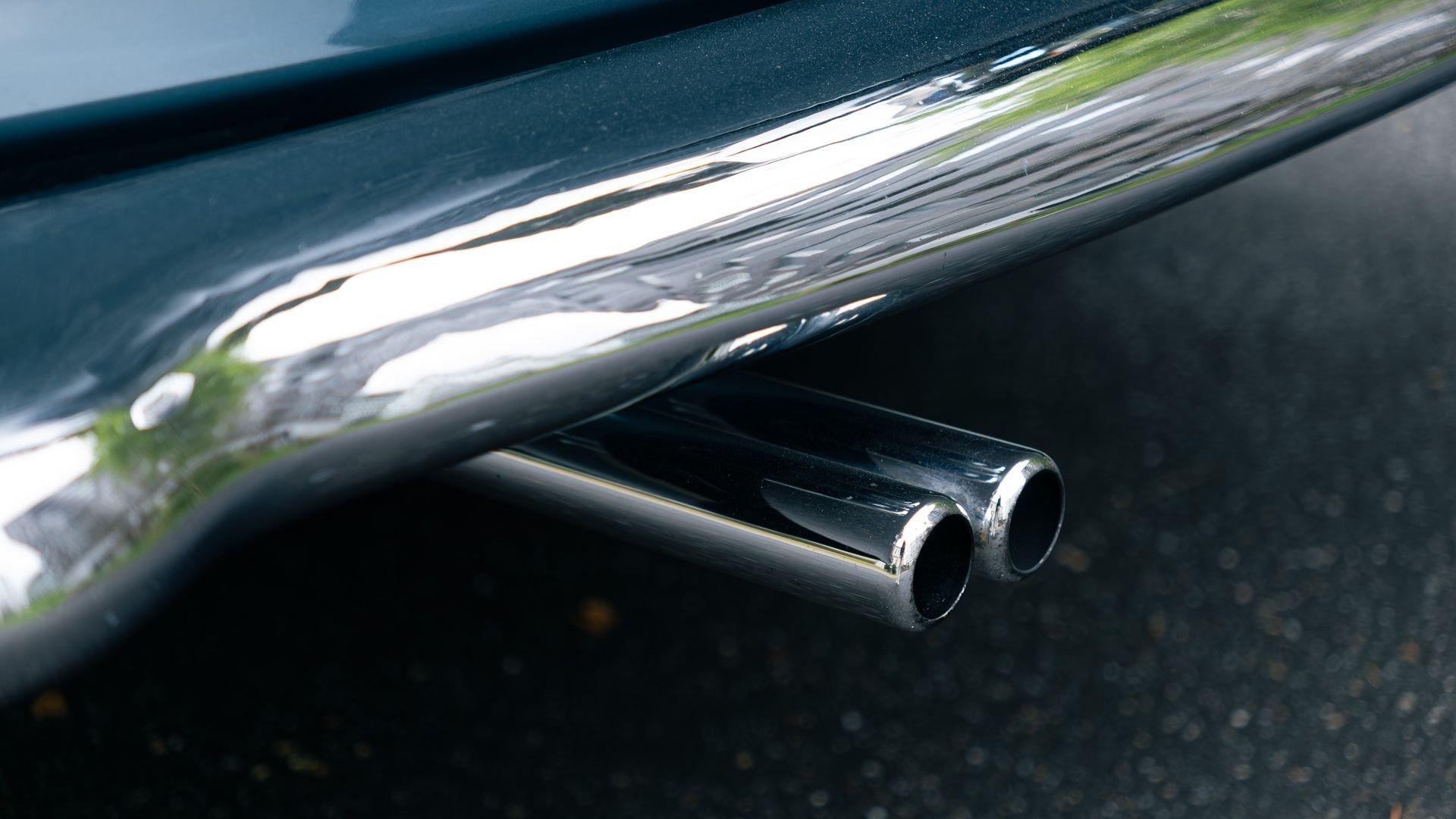
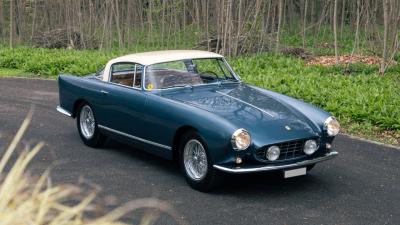
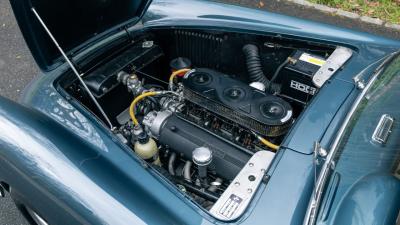
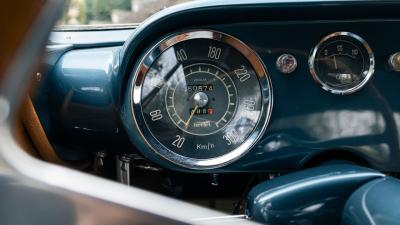
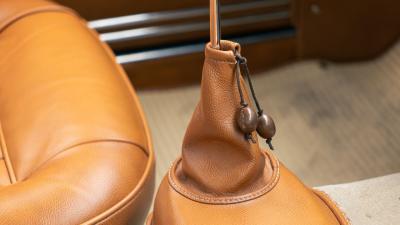
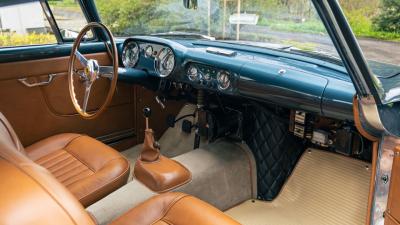
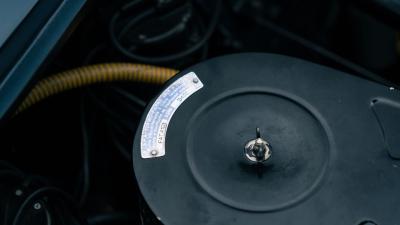
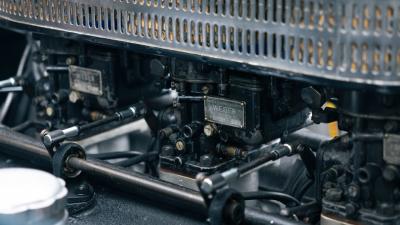
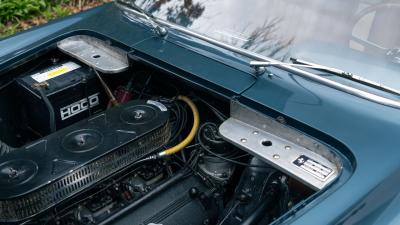
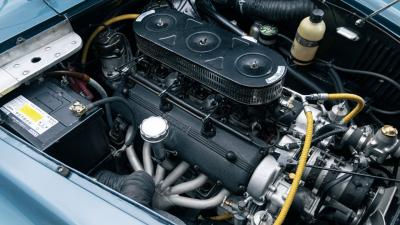
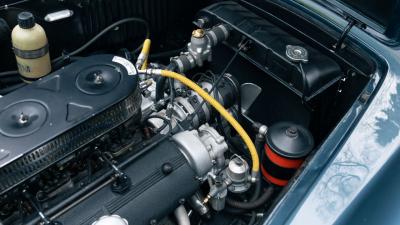
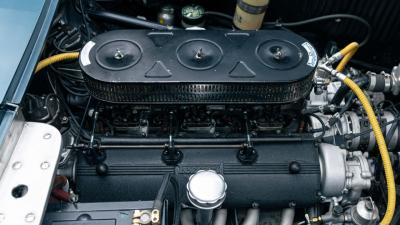
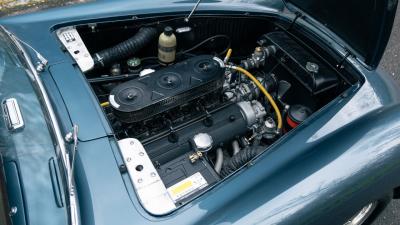
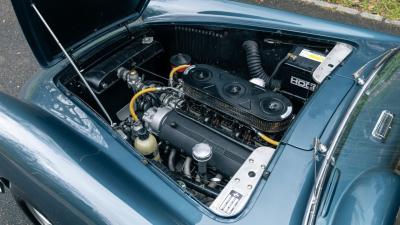
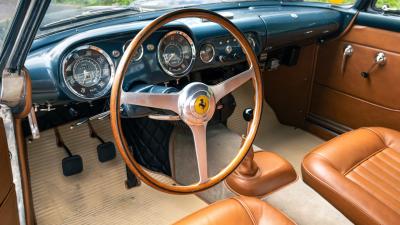
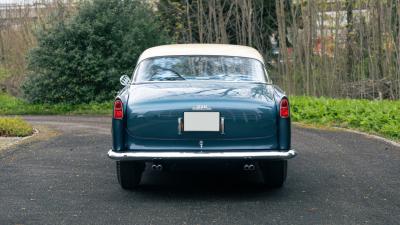
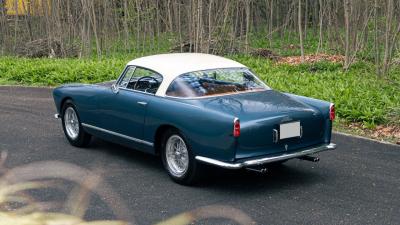
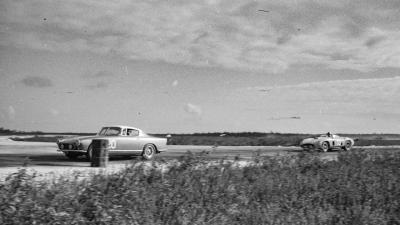
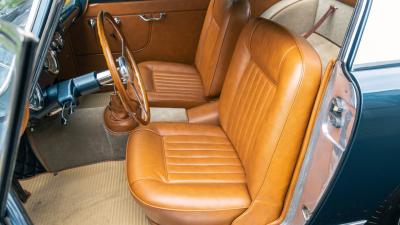
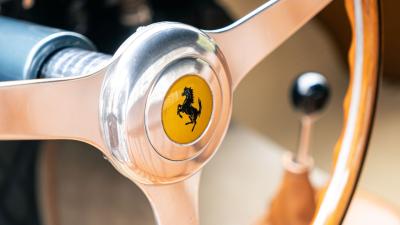
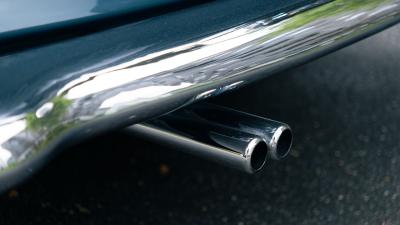
The example presented here, chassis 0565 GT, is among the most compelling of that select group of alloy-bodied survivors. Completed at the Ferrari factory on 7 November 1956, copies of its original factory build sheets expressly confirm the alloy coachwork and record a suite of rare competition equipment including triple Weber 36 DCL3 carburetors, an Abarth exhaust system, and a Nardi steering wheel. The car was prepared from new to compete at the 1956 Nassau Speed Week in the Bahamas, where it duly raced that December.
According to a history report compiled by marque historian Marcel Massini, the Ferrari was delivered through Luigi Chinetti Motors in New York and was sold to its first private owner, Marc Merlin of New York, in January 1957. It passed later that year to Larry Taylor of Burlingame, California, and subsequently to Dean Watts and then Walter Peterson, both of San Francisco, where the car remained through the 1960s. From 1975 to 1982 it was owned by Dr. Harmon D. Probst of Livermore, California, followed by Ernest D. Mendicki of Saratoga, California, in whose care it was maintained by Steve Griswold & Co. in Berkeley.
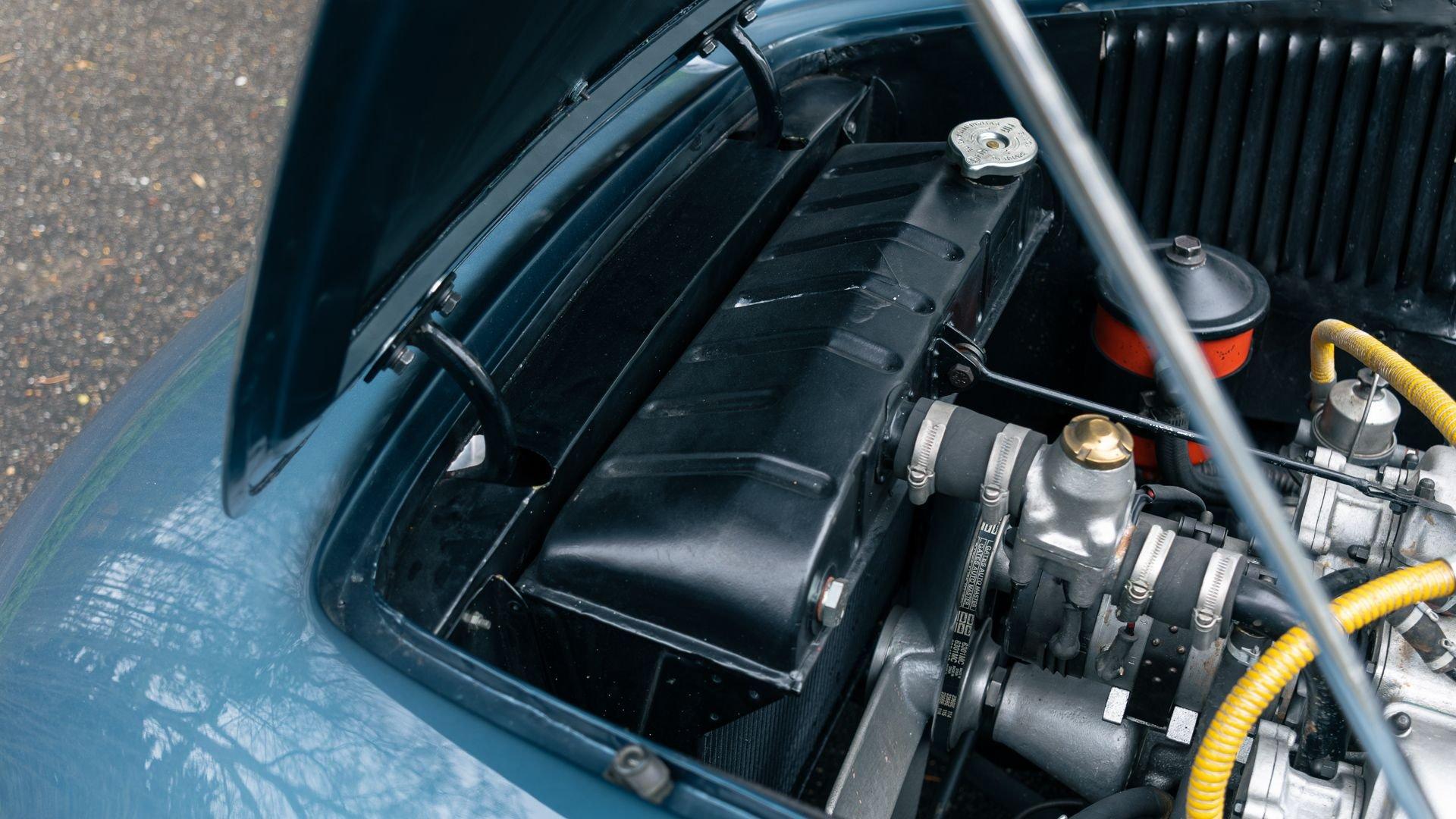
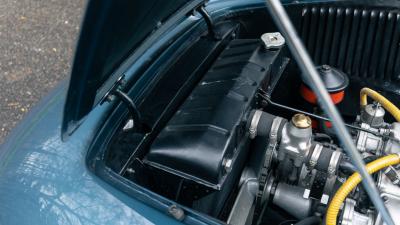
In 1997 the car crossed the Atlantic to Ralph C. Bruggmann of Basel and Gstaad, Switzerland, before passing in 1999 to Cengiz Artam of Istanbul. Under Artam's stewardship, the car participated in the famous Mille Miglia Storica, completing the historic re-enactment in 2000 with race number 282, images of which are on file. Later in his care, from September 2015 through February 2017, invoices on file show that the Ferrari was entrusted to DK Engineering in the U.K. for a substantial mechanical recommissioning exceeding £112,000 including VAT. This encompassed machining and rebuilding the engine, suspension and brake refurbishment, fuel, ignition, cooling, and electrical-system repairs, gearbox and clutch work, and final reassembly, tuning, and sorting.
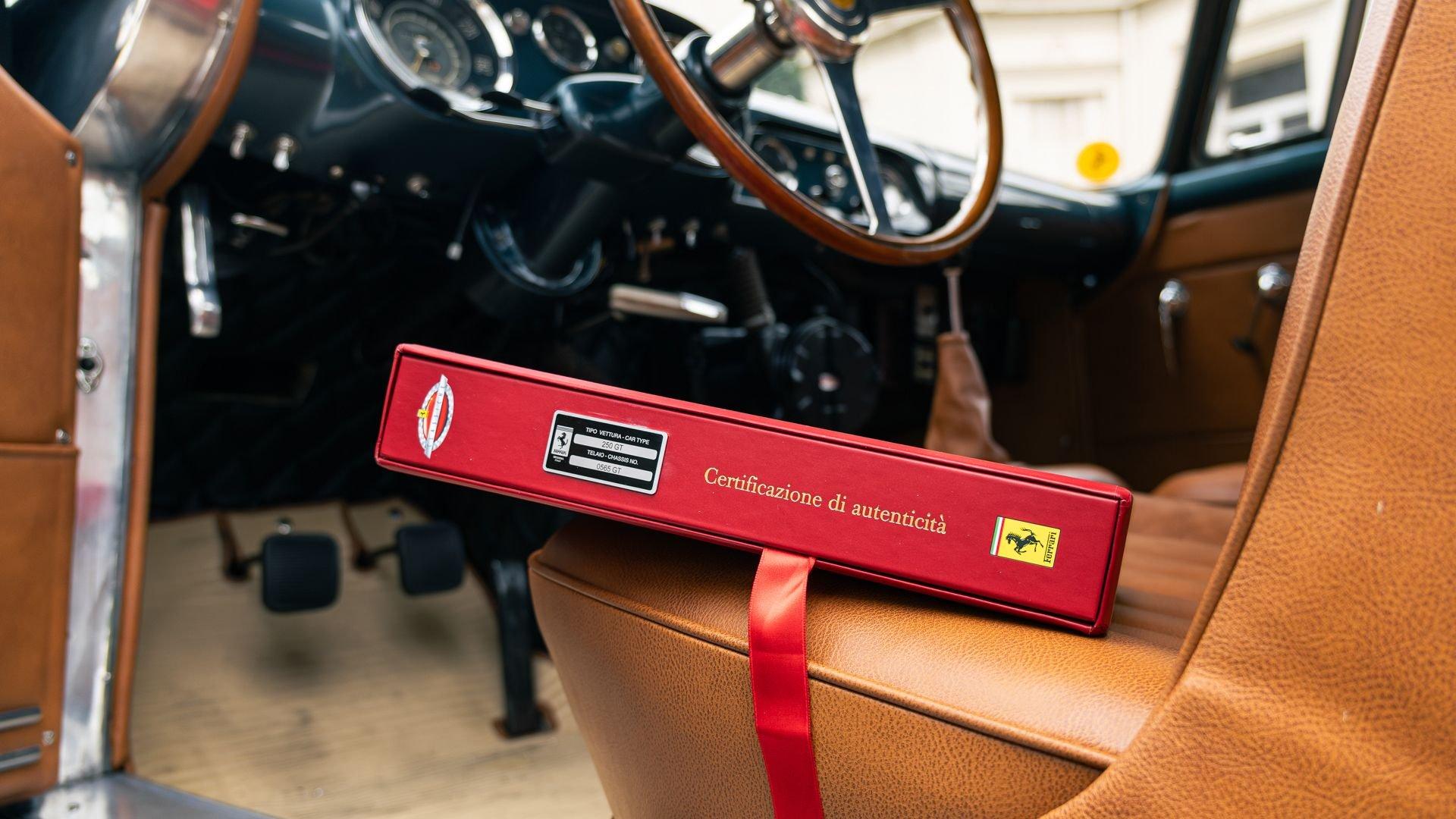
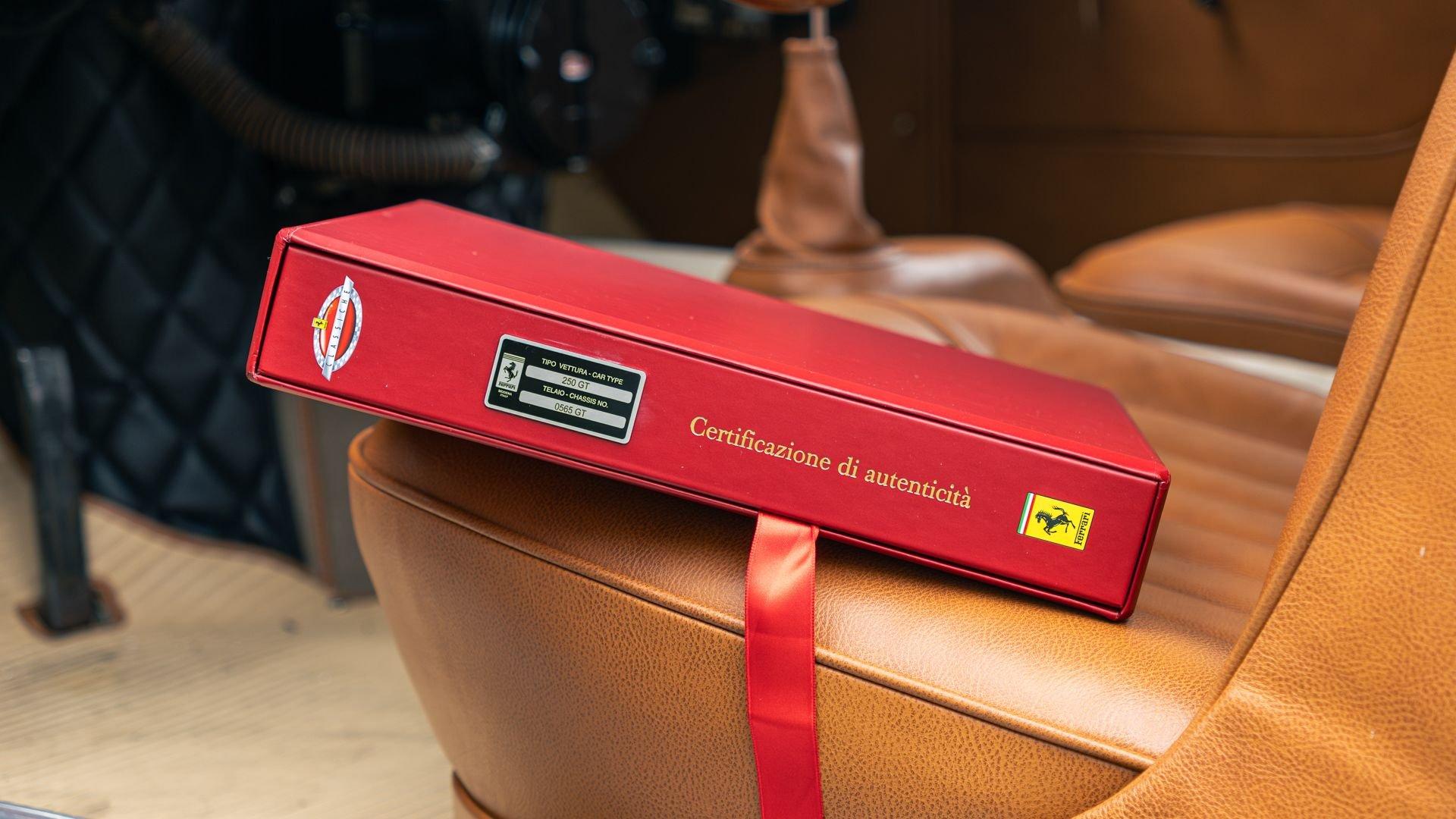
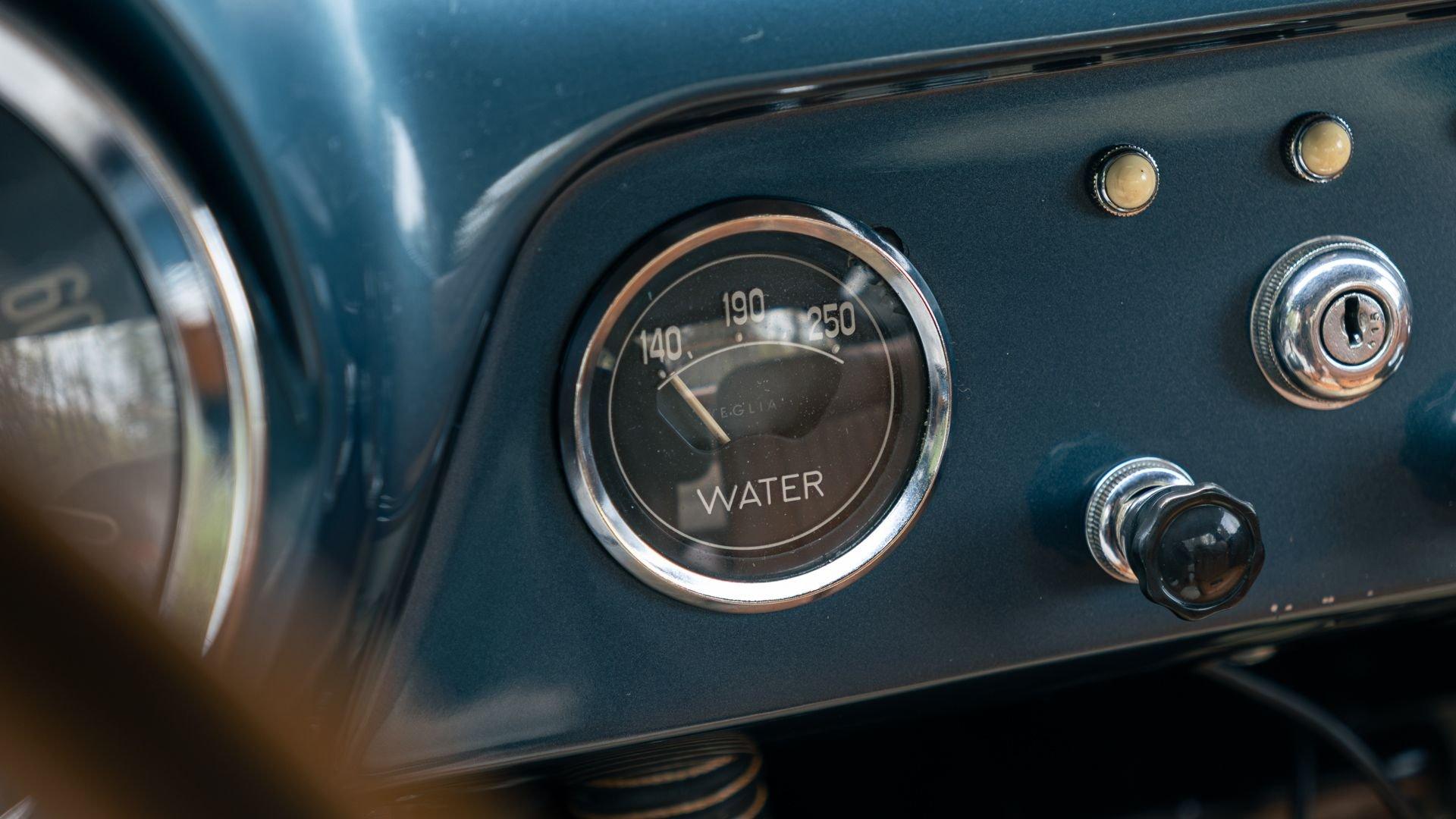
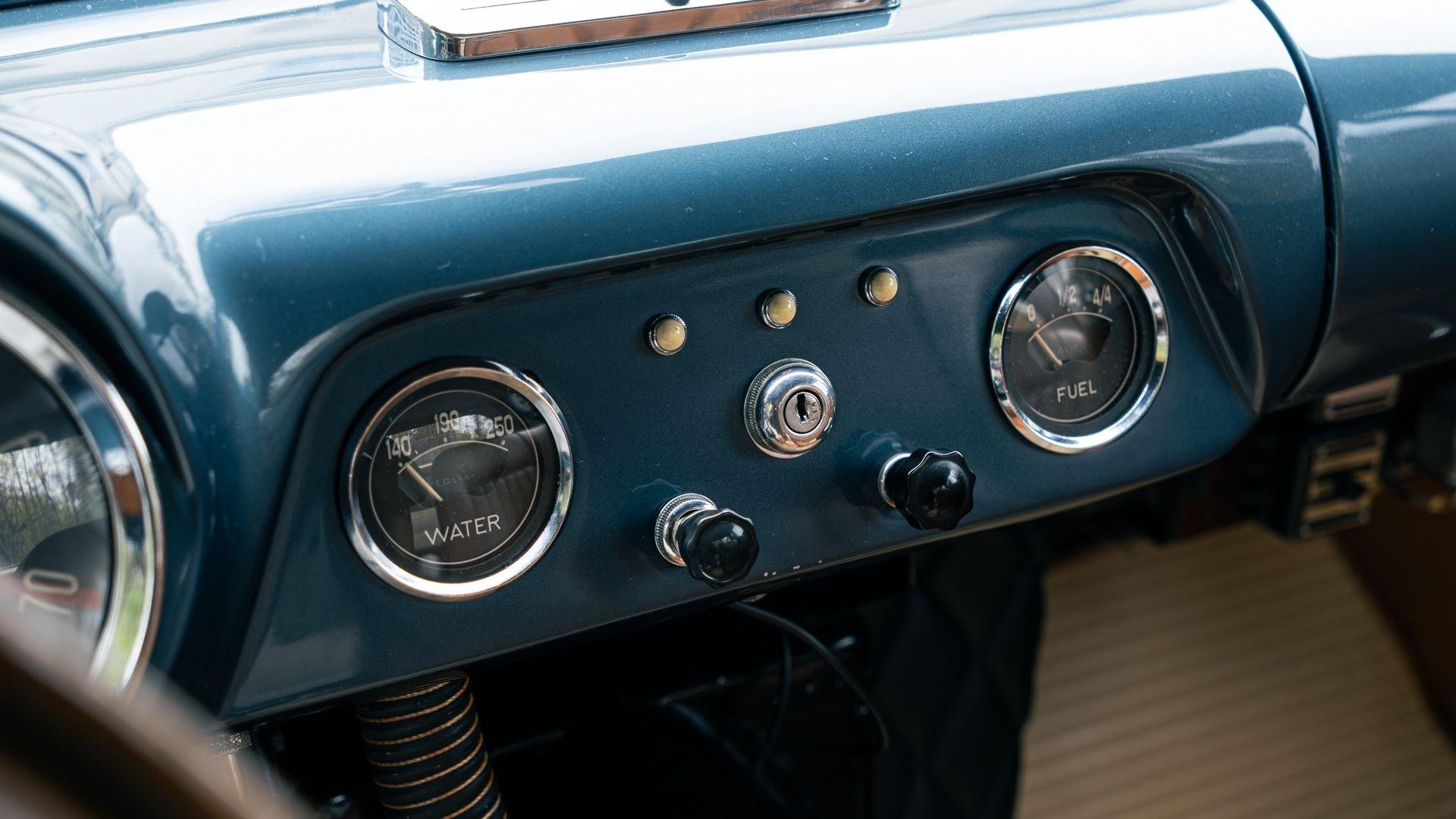
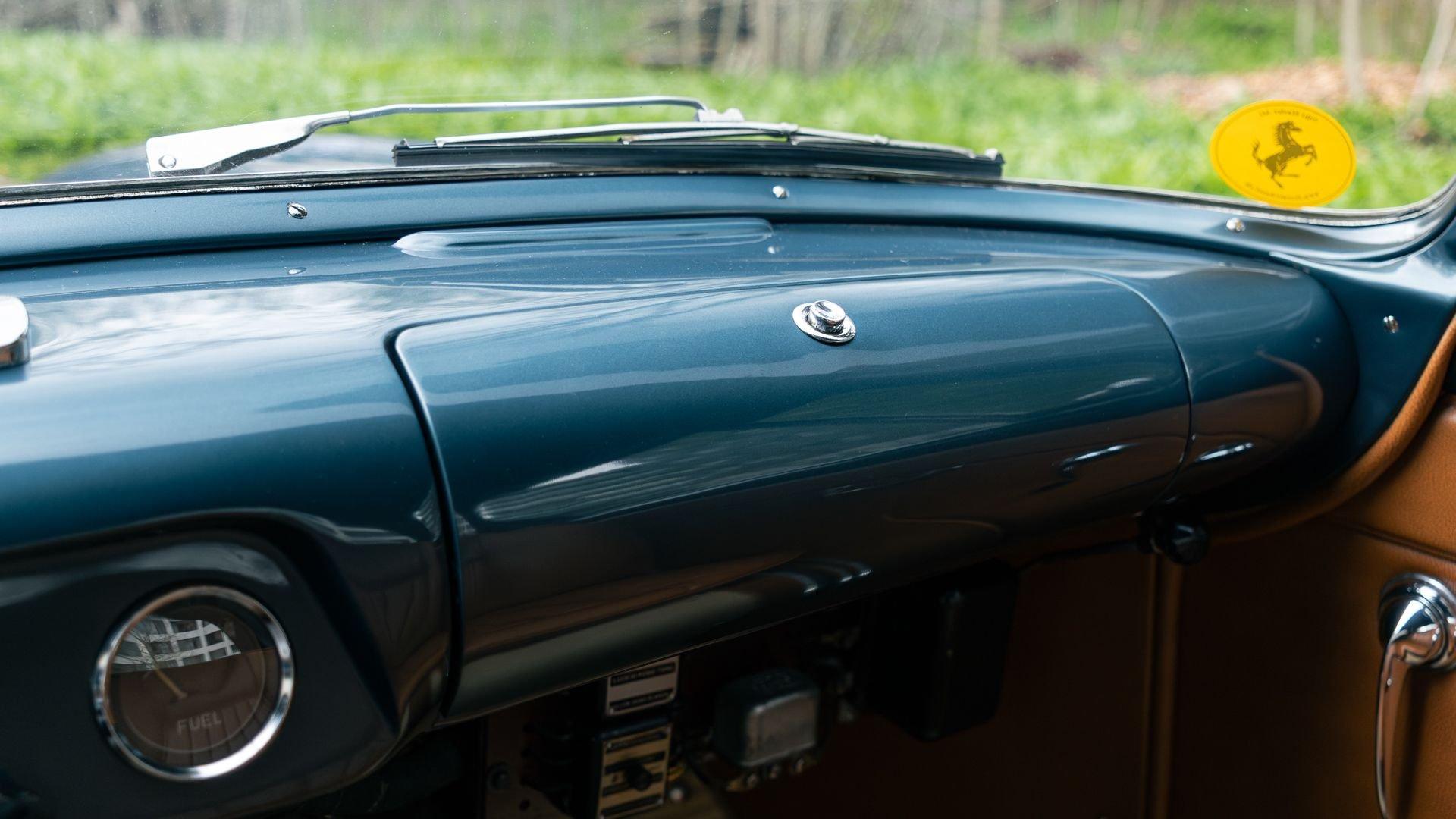
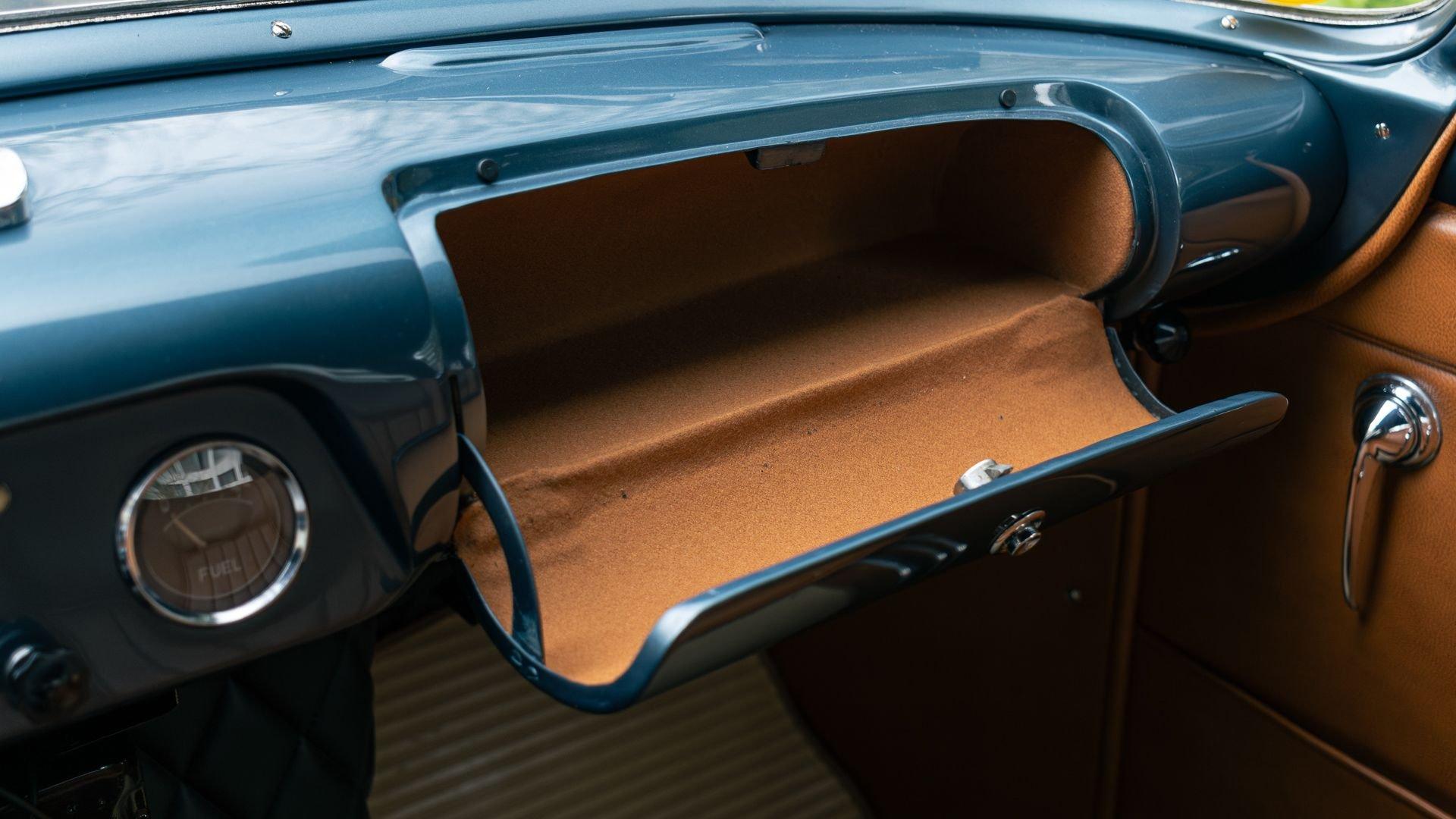
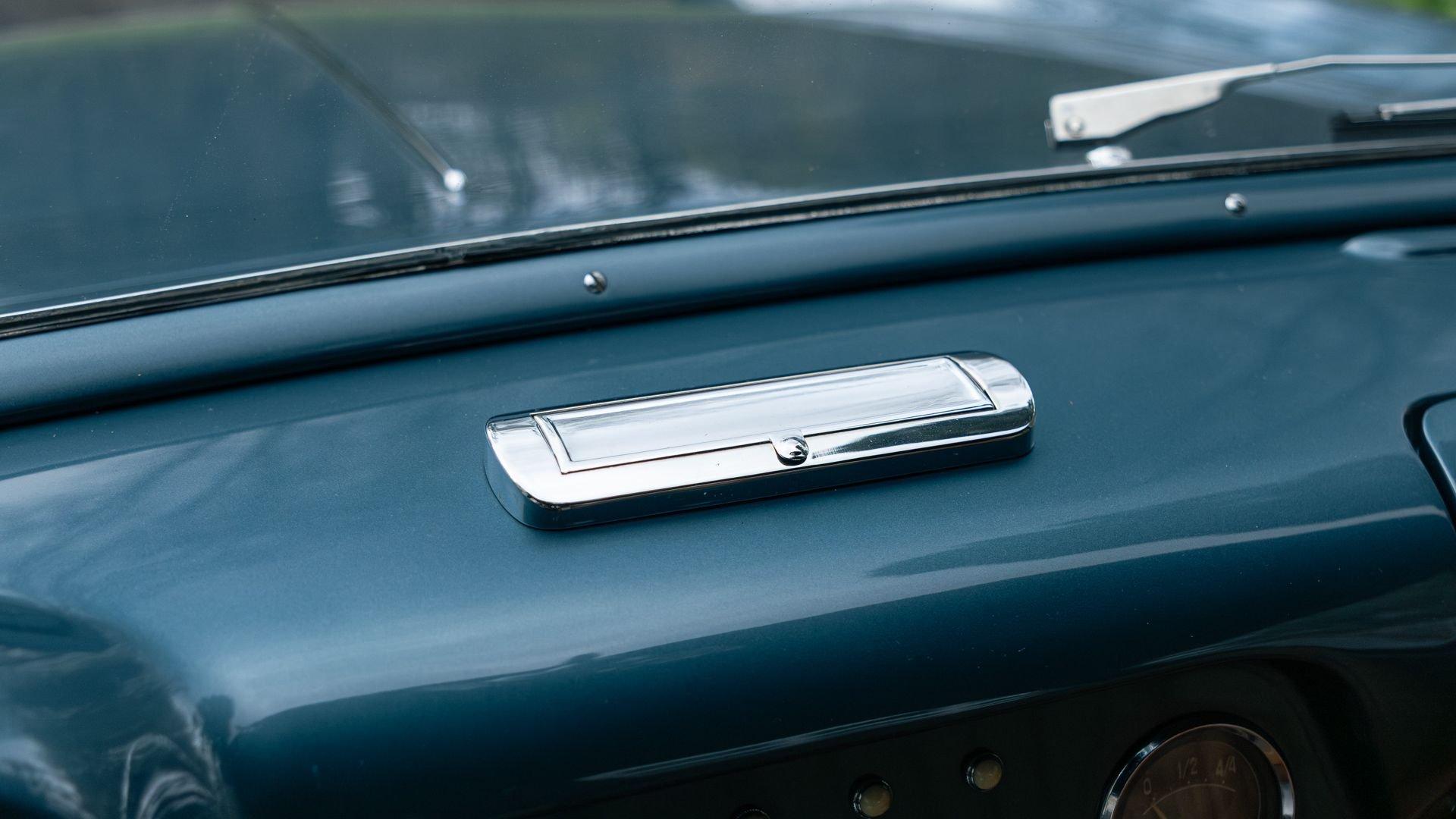
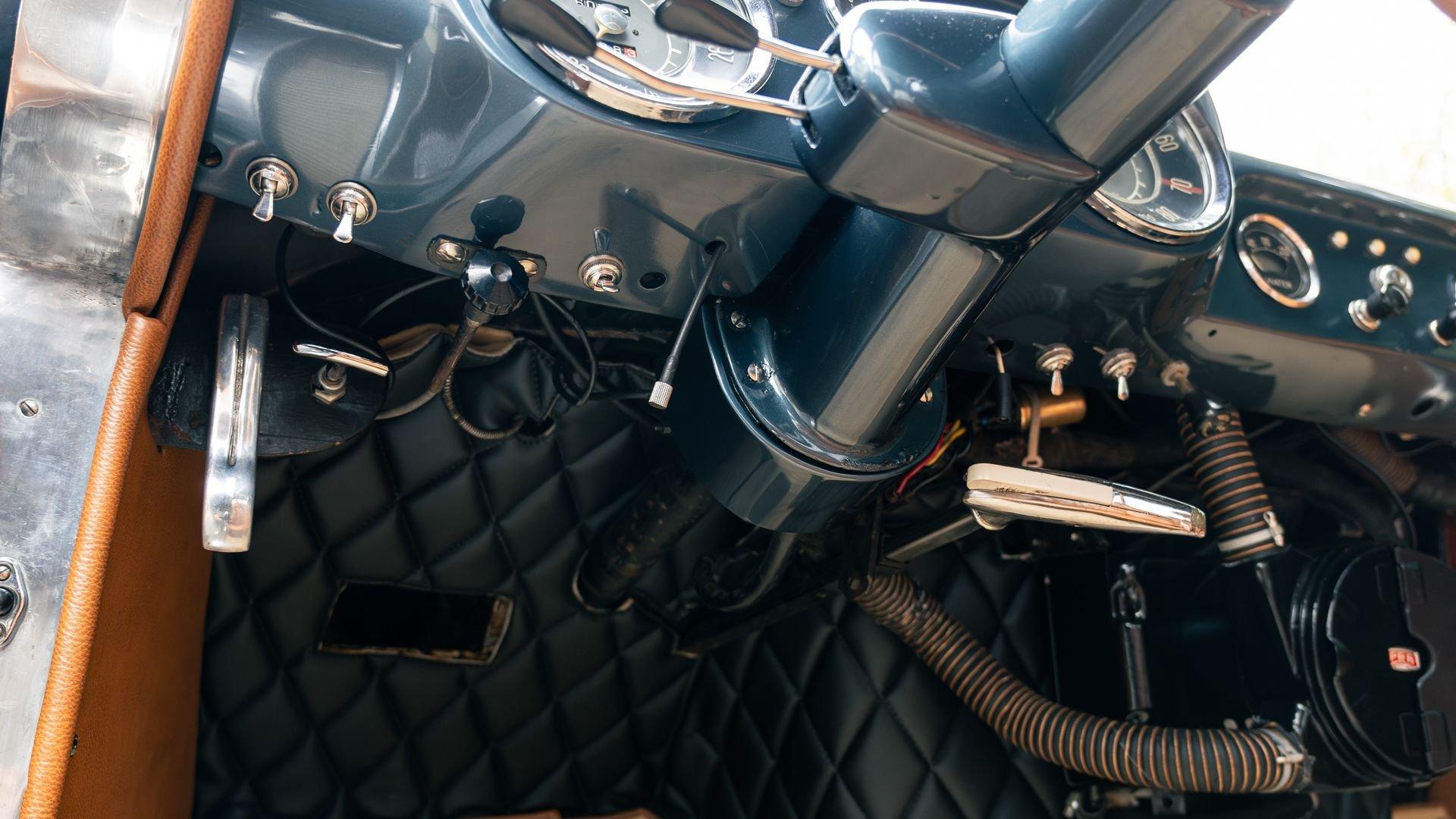
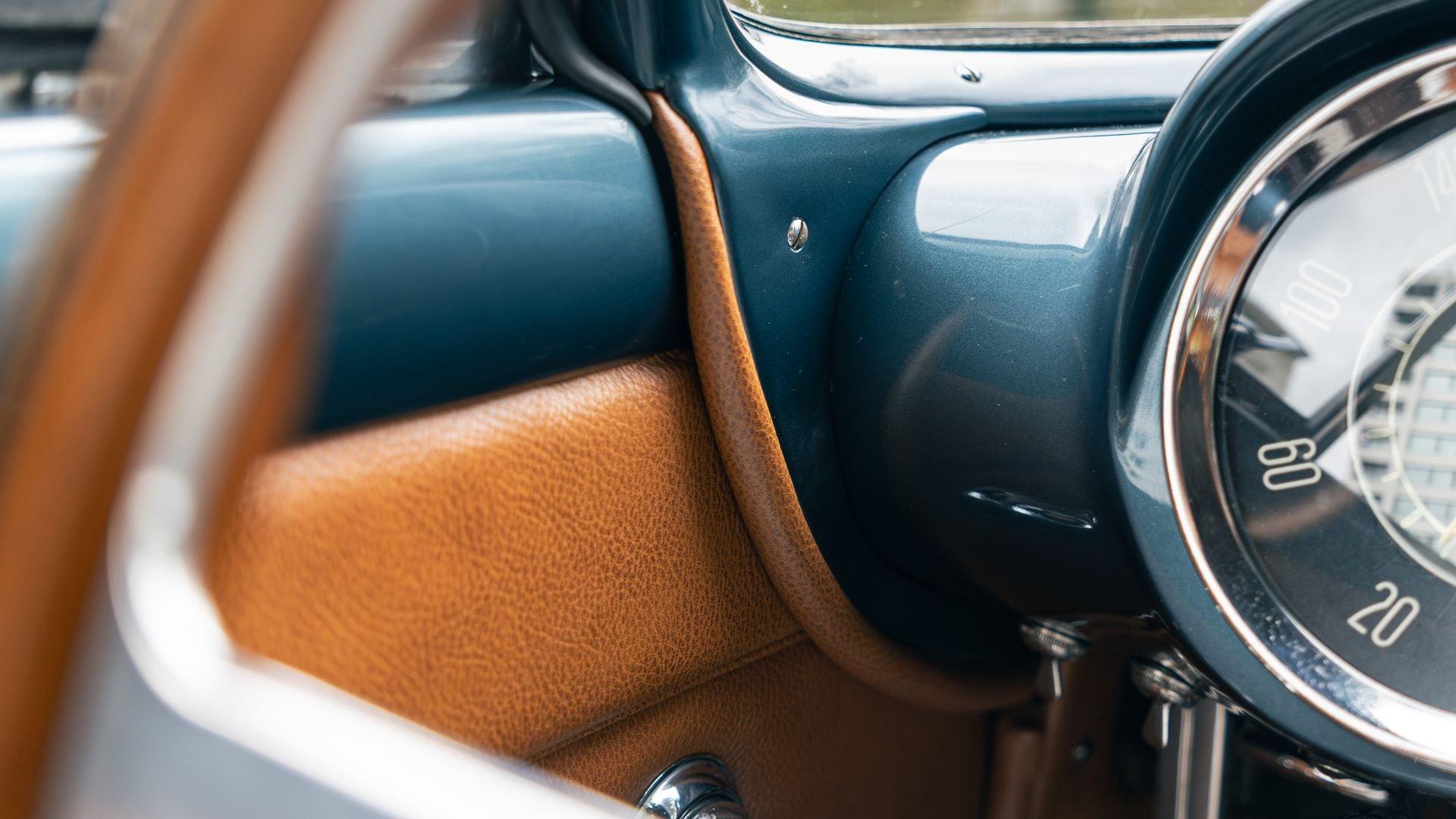
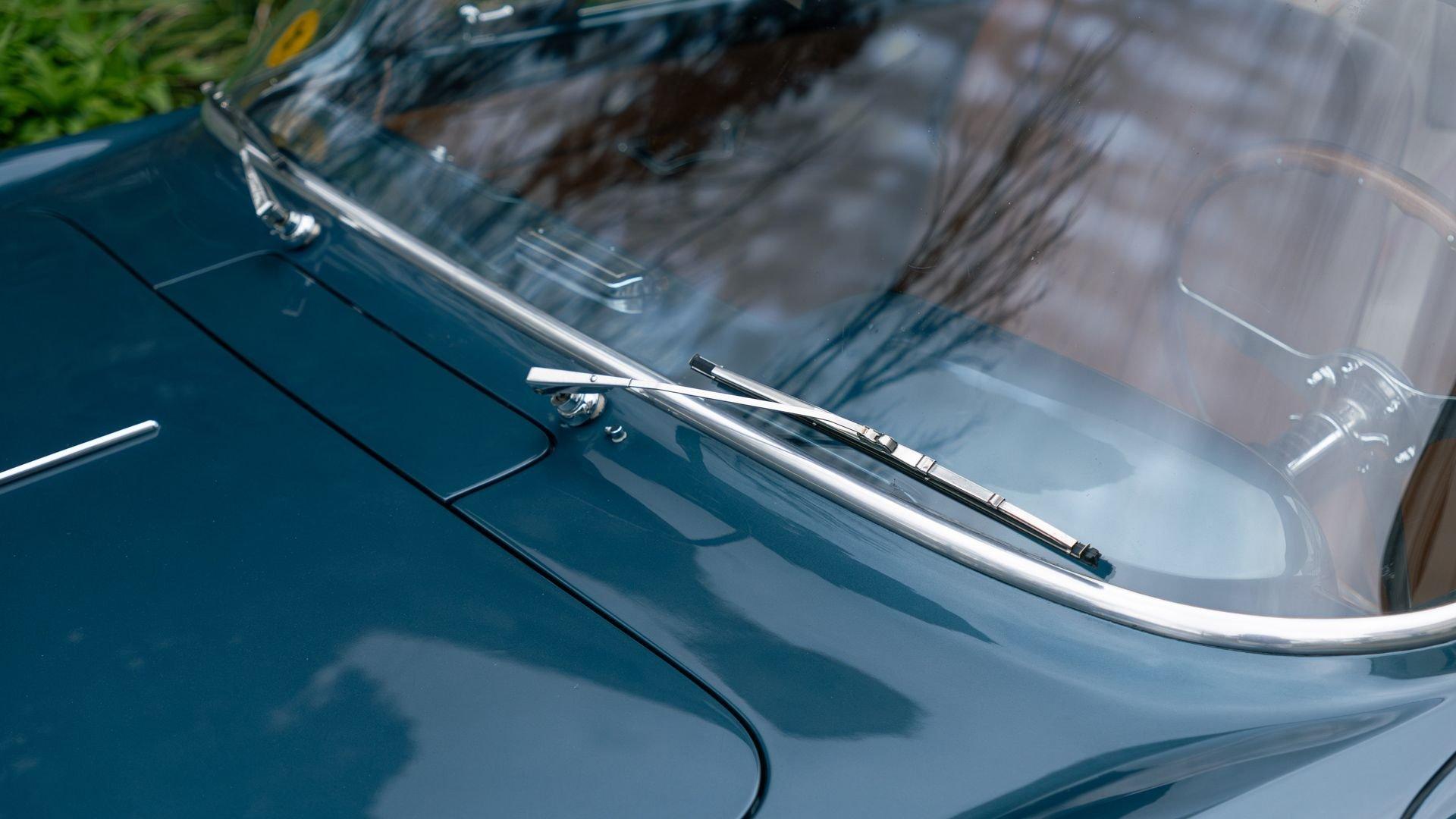
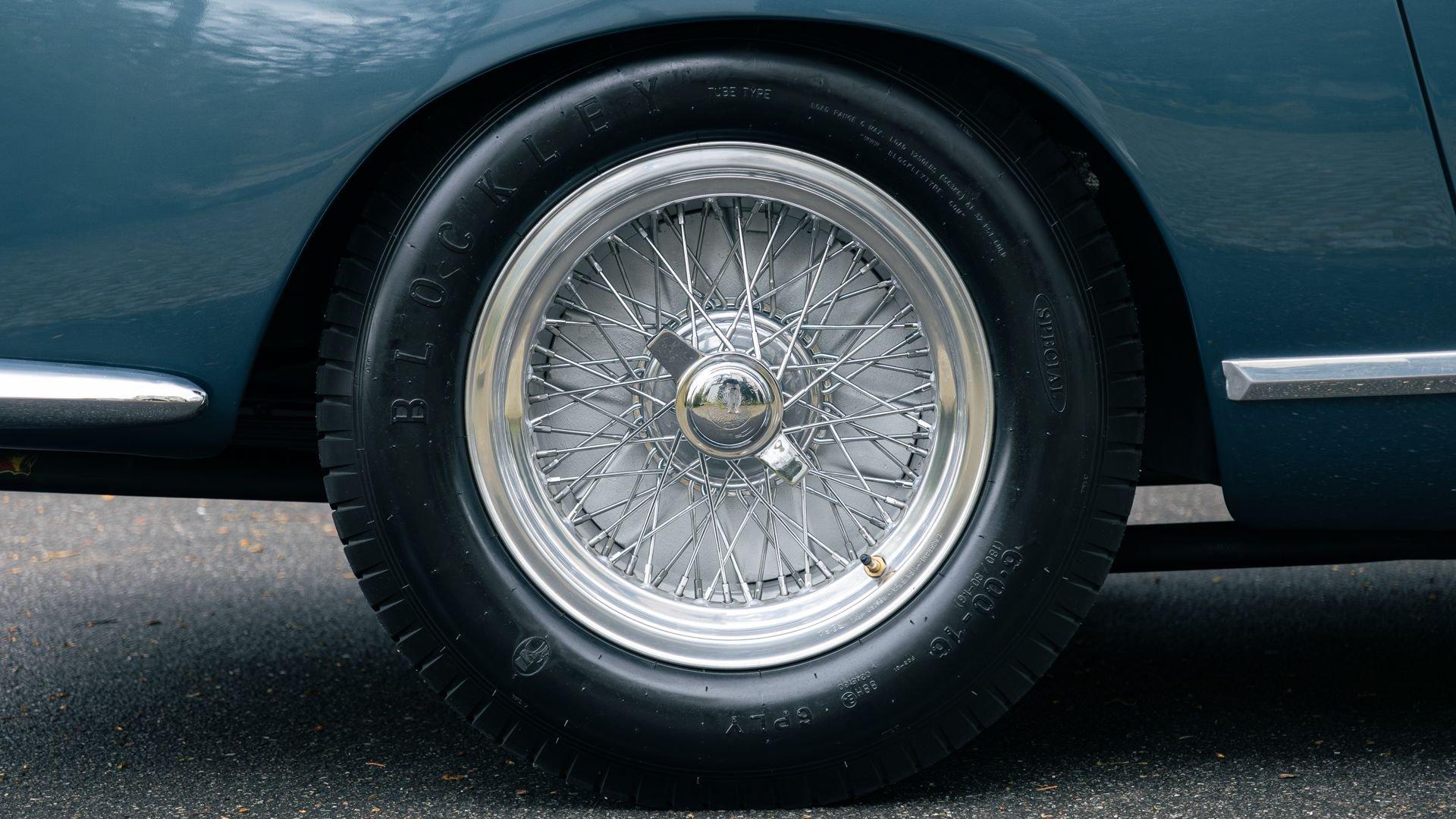
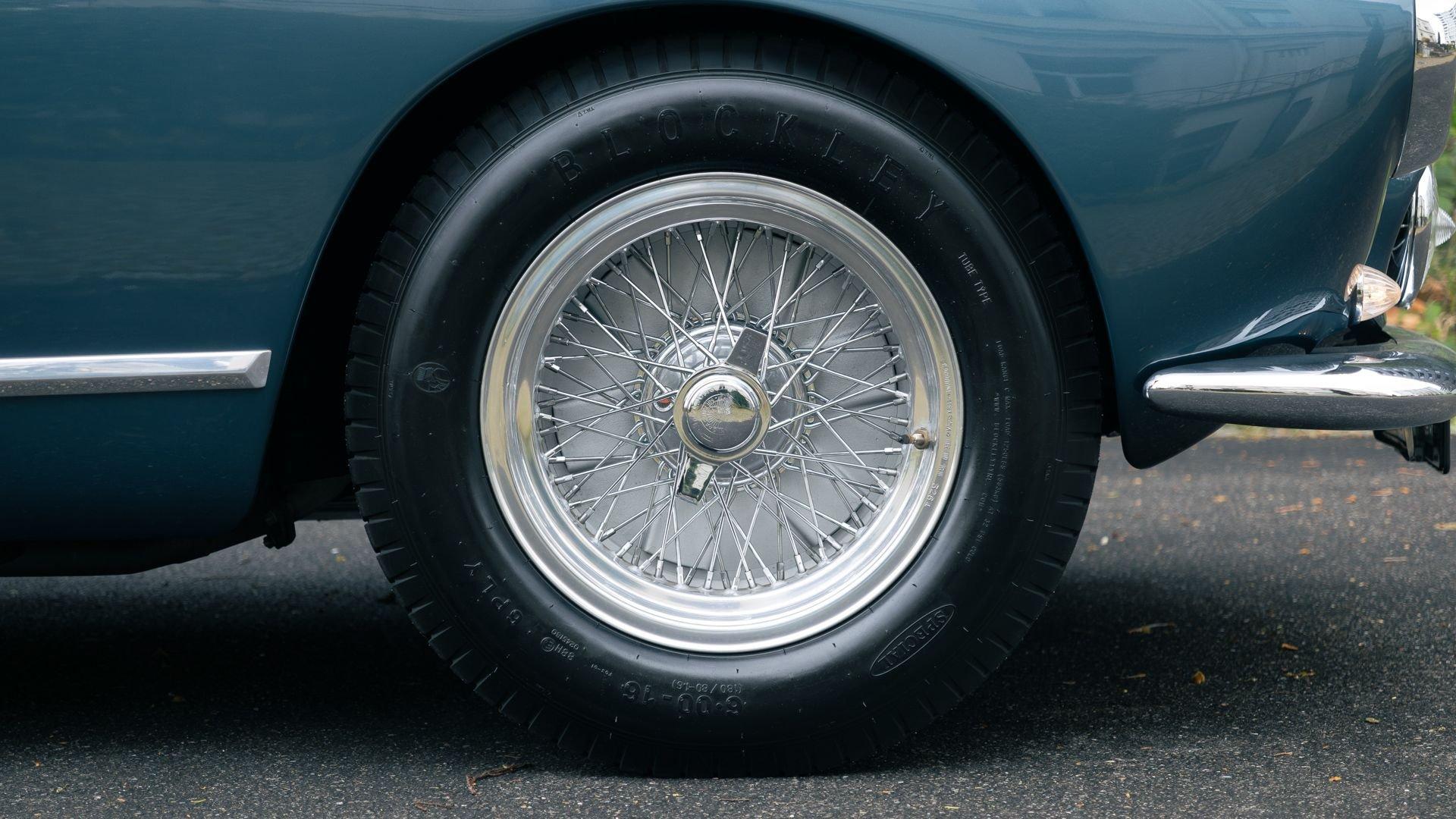
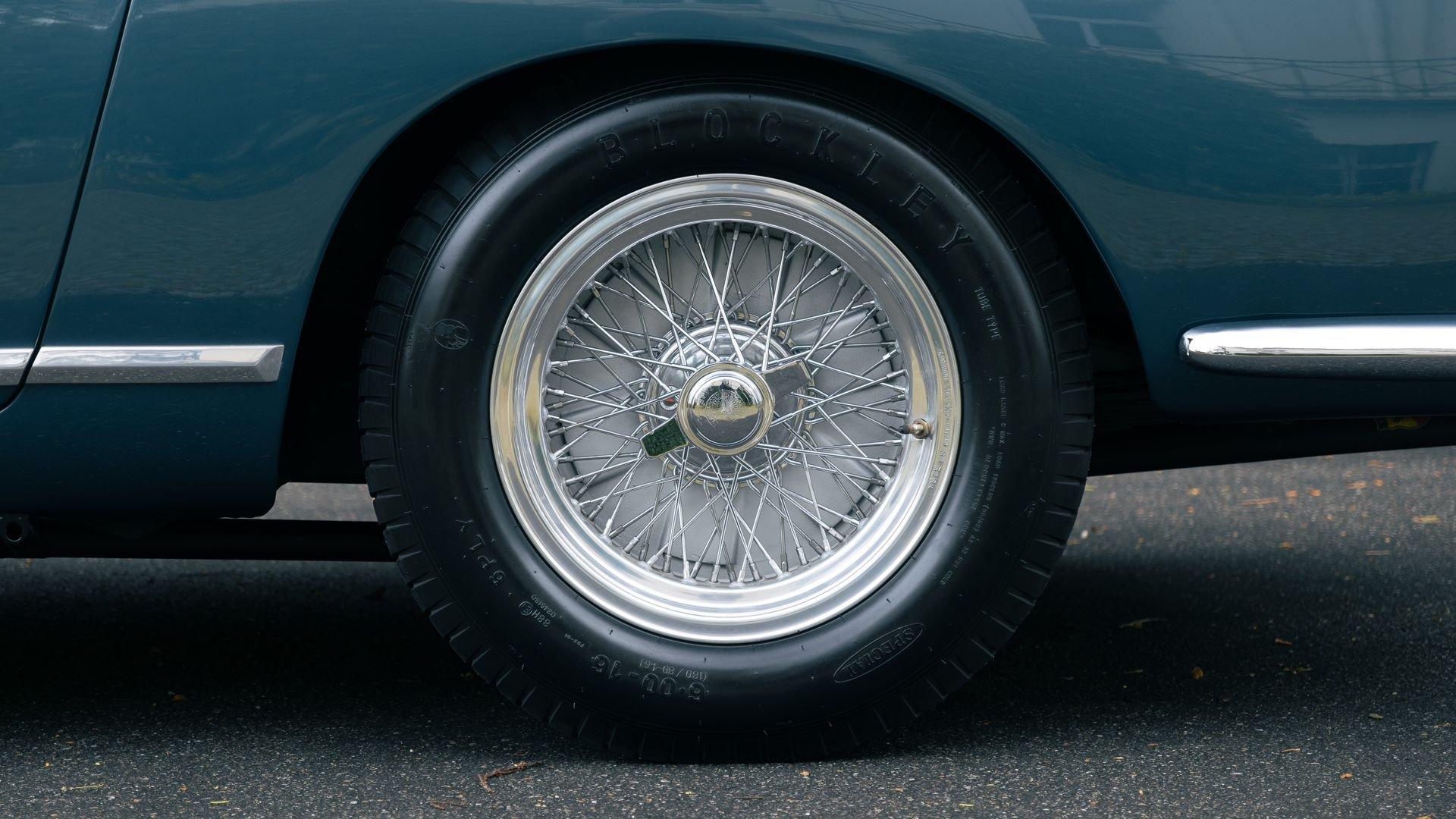
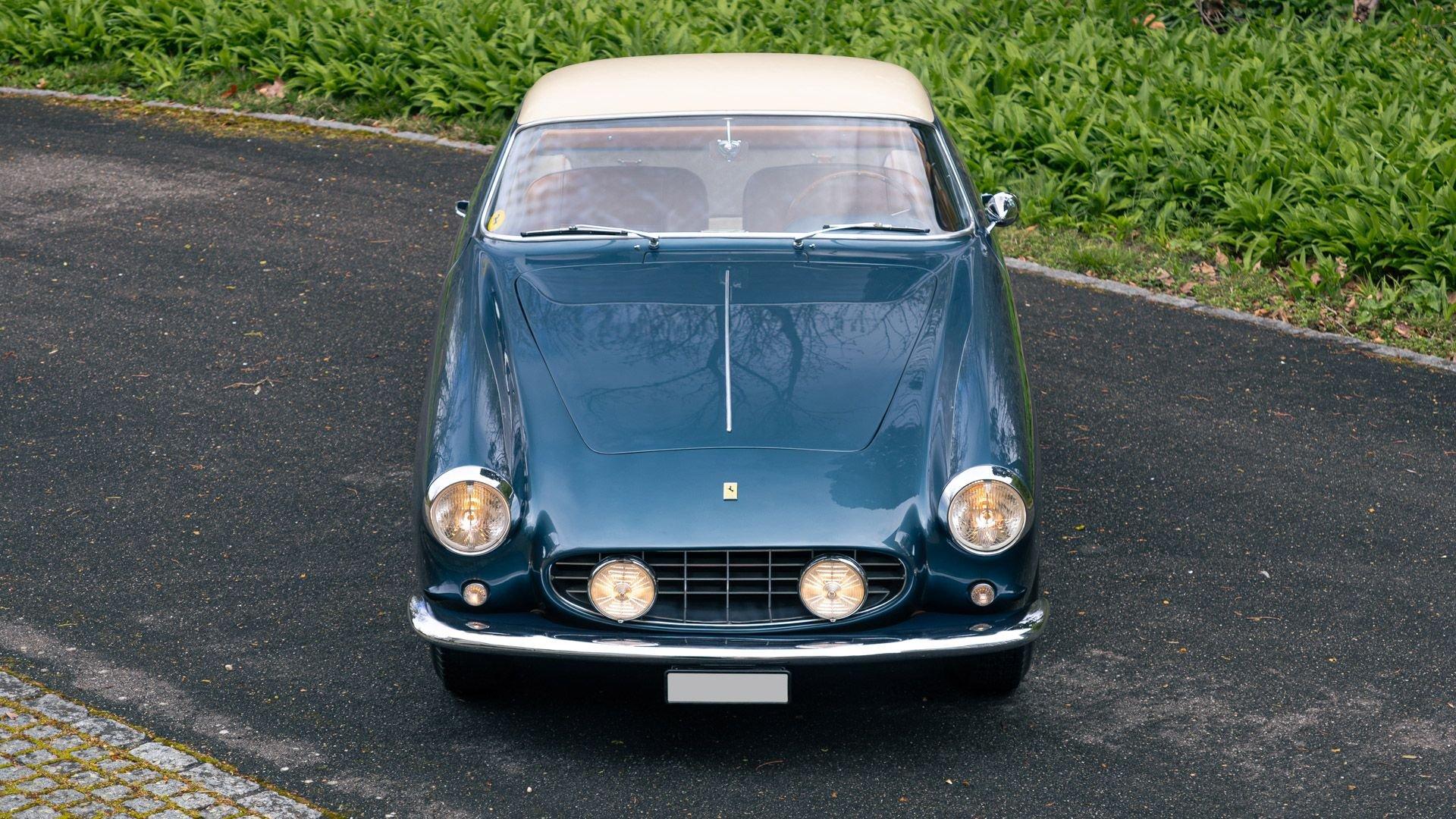
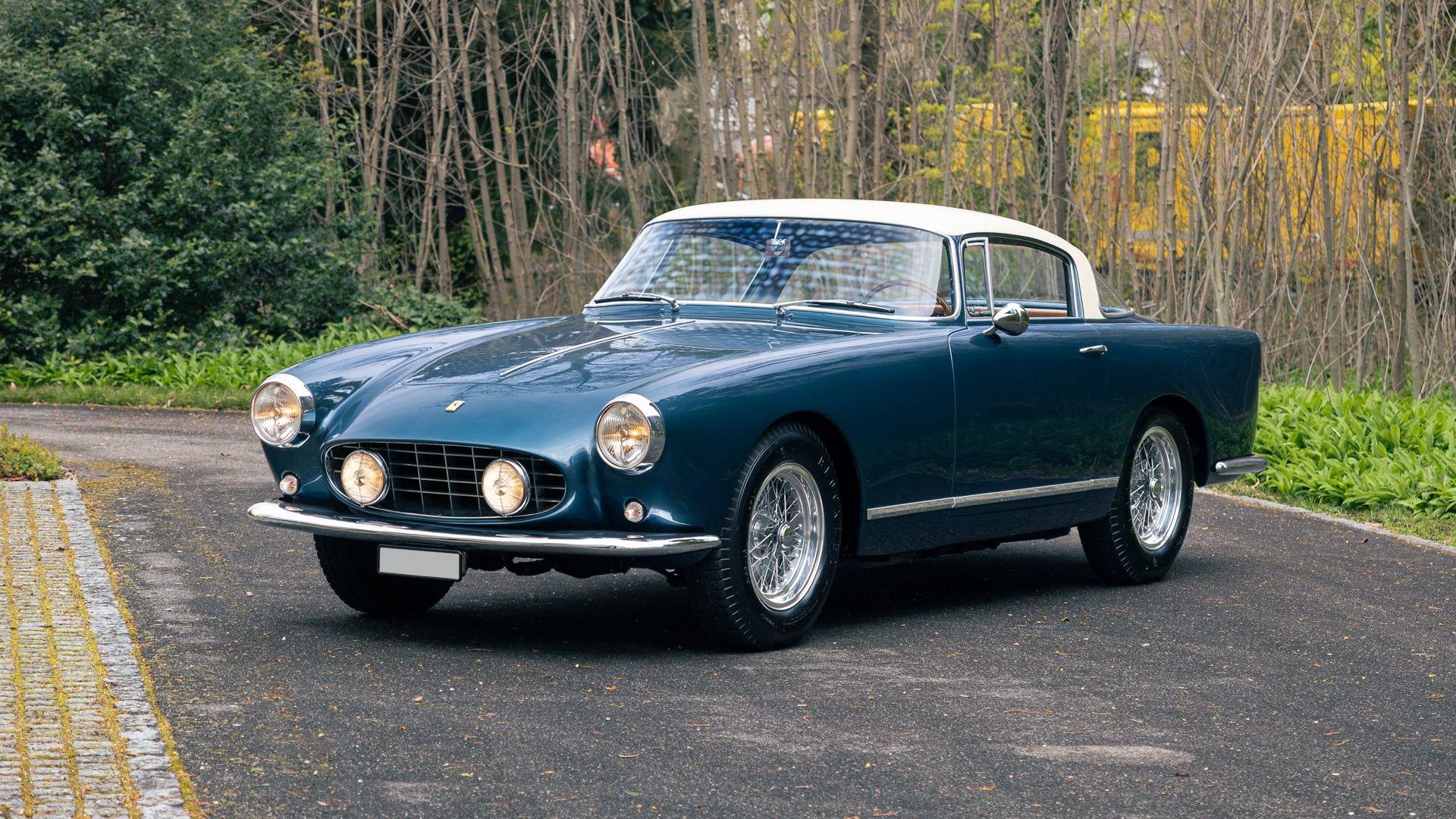
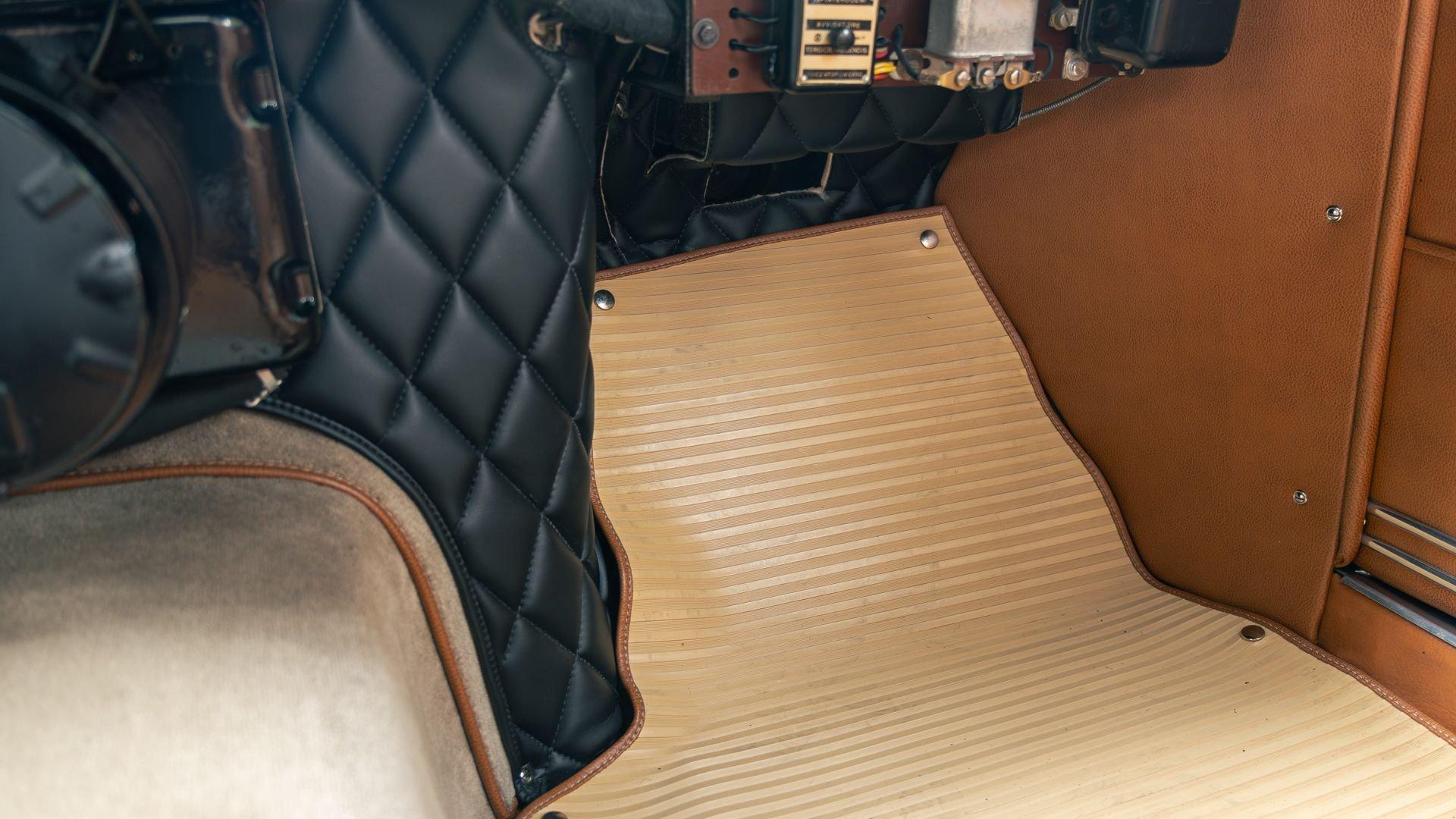
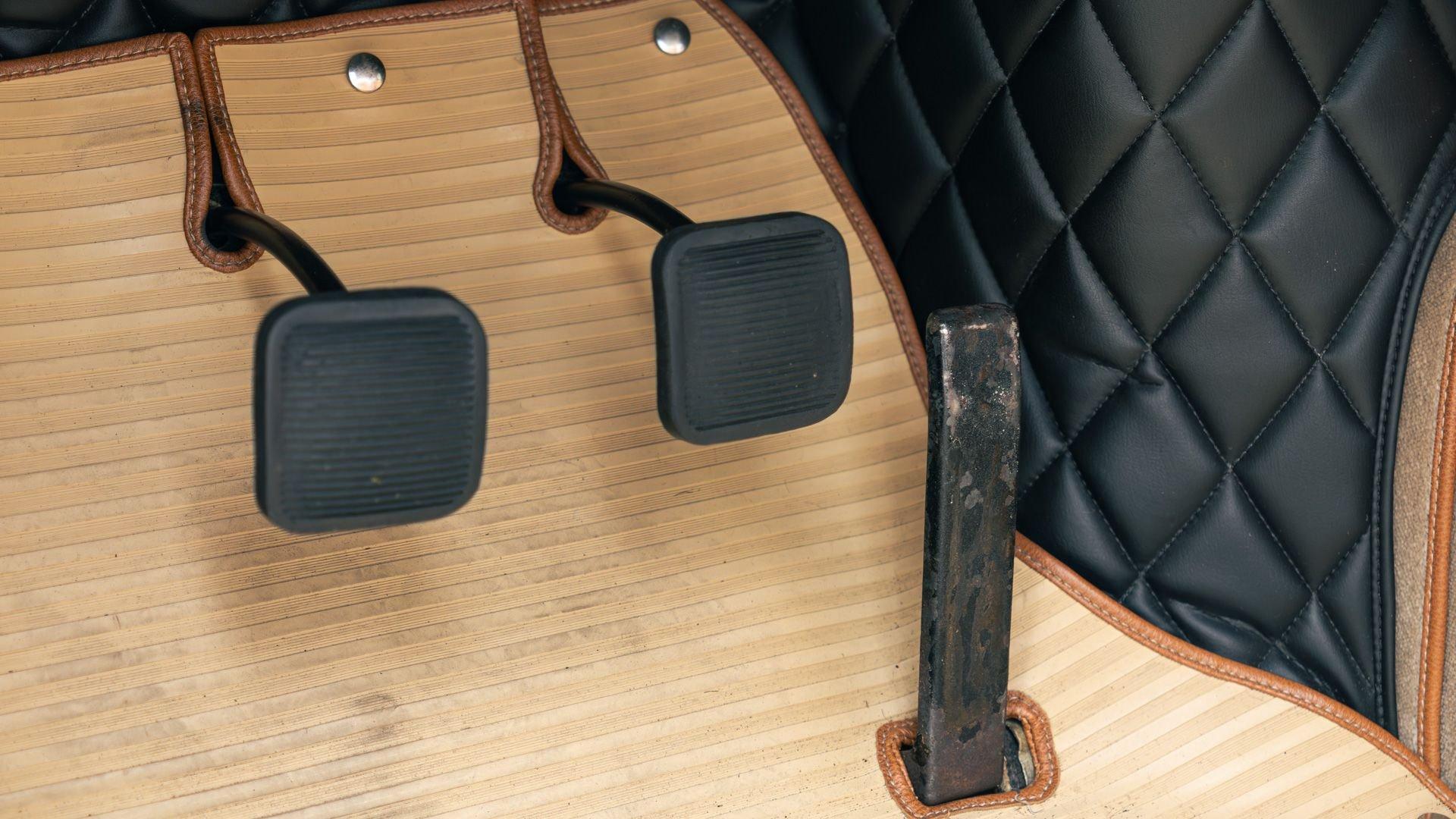
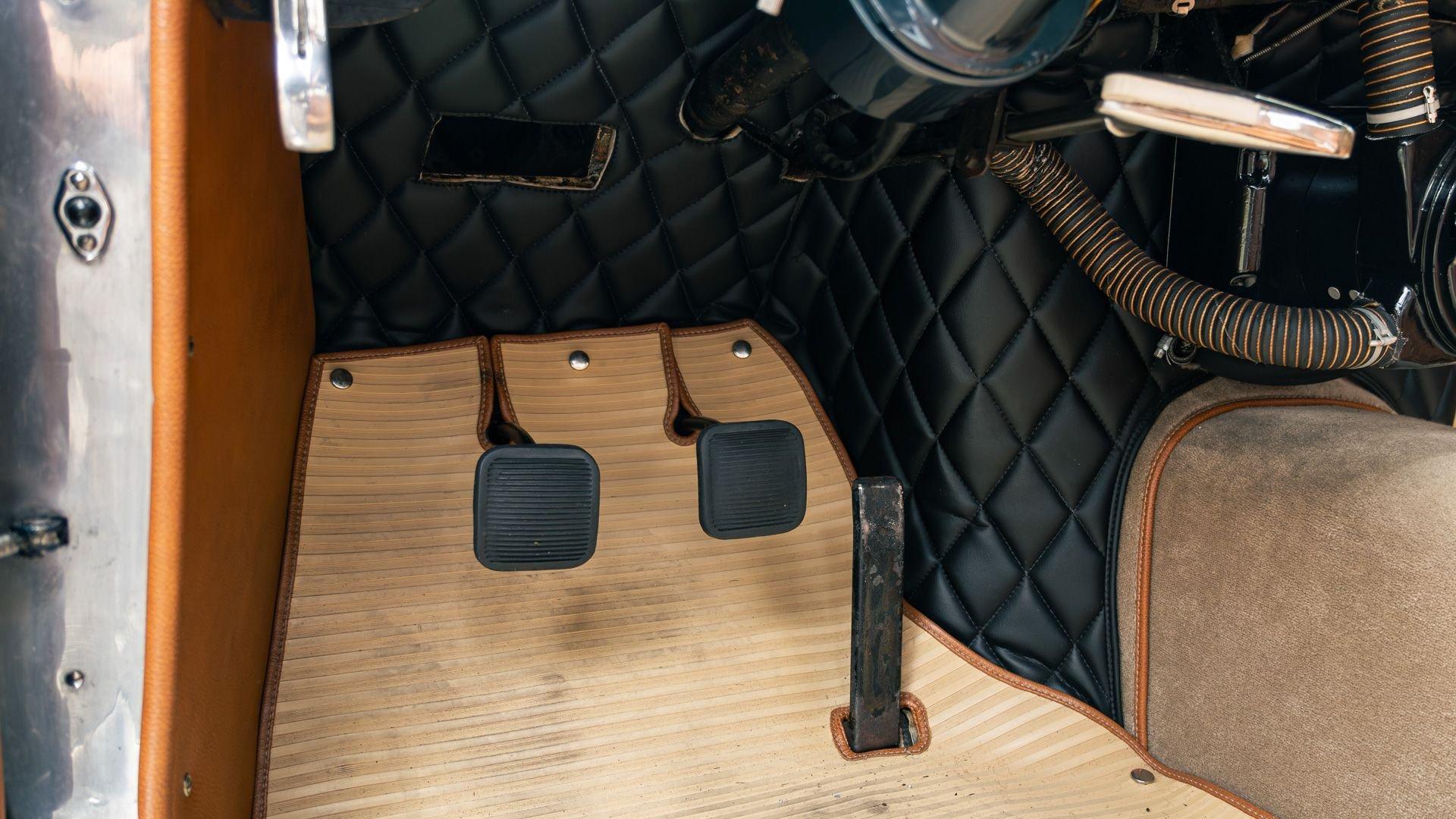
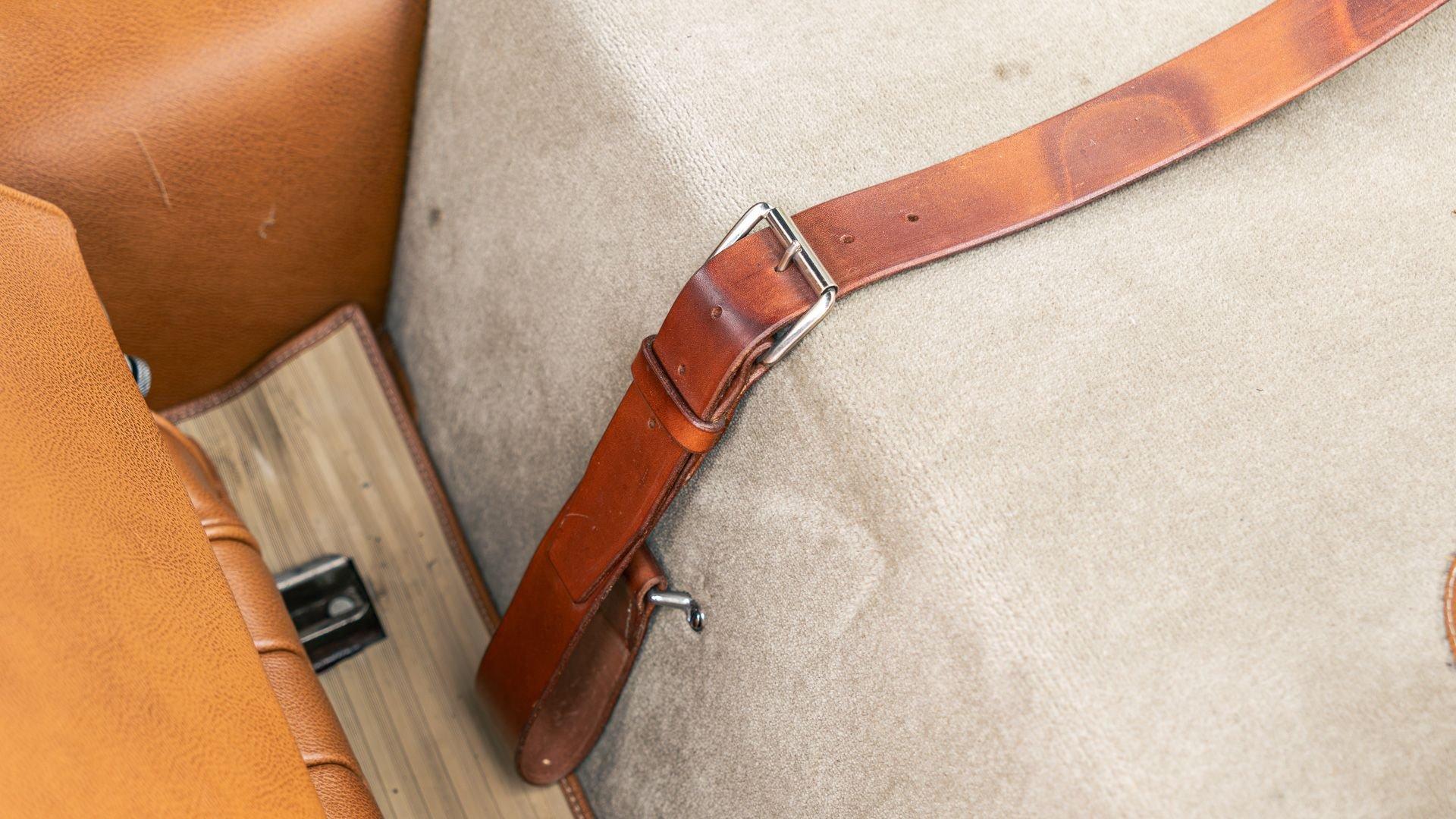
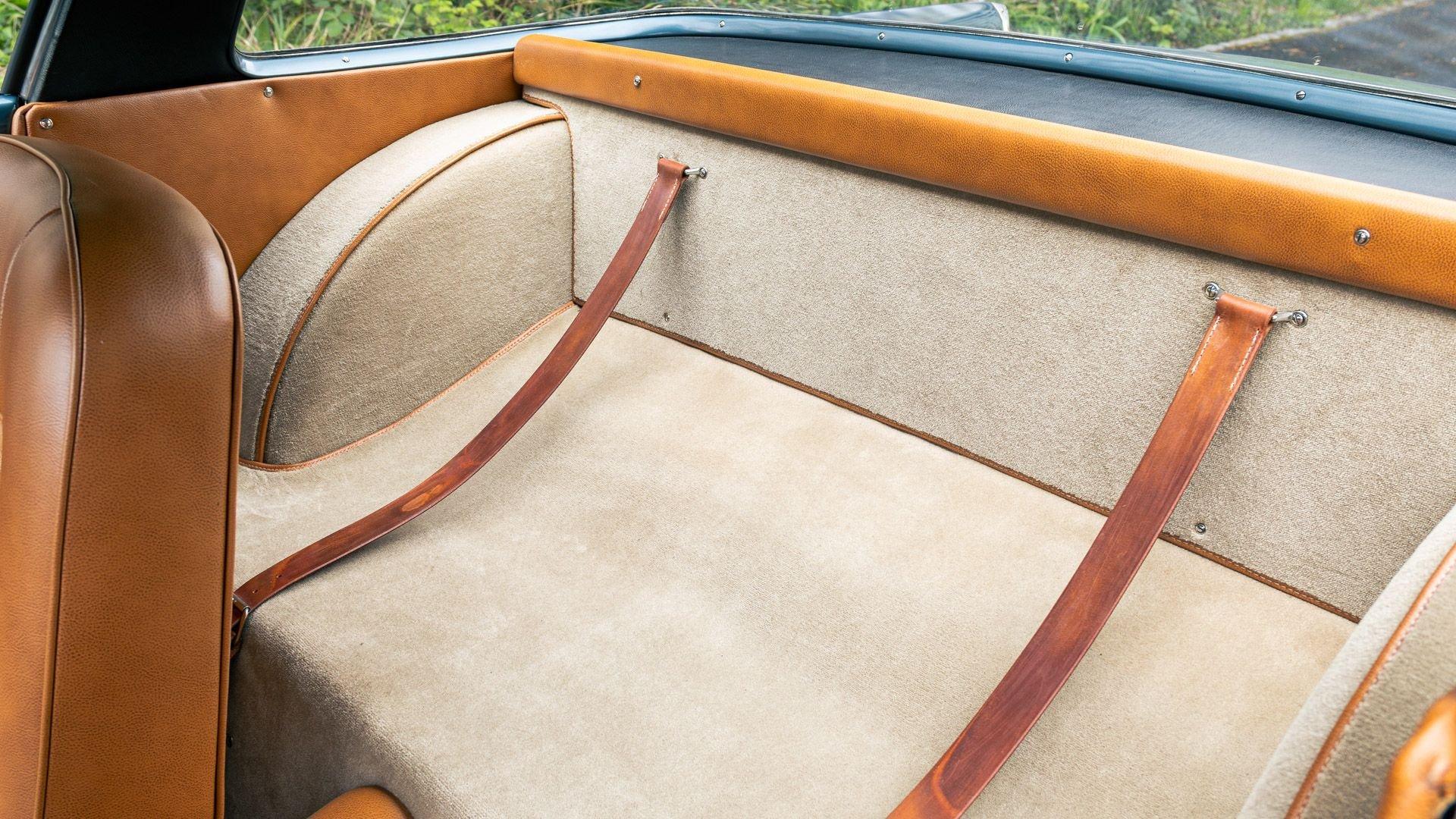
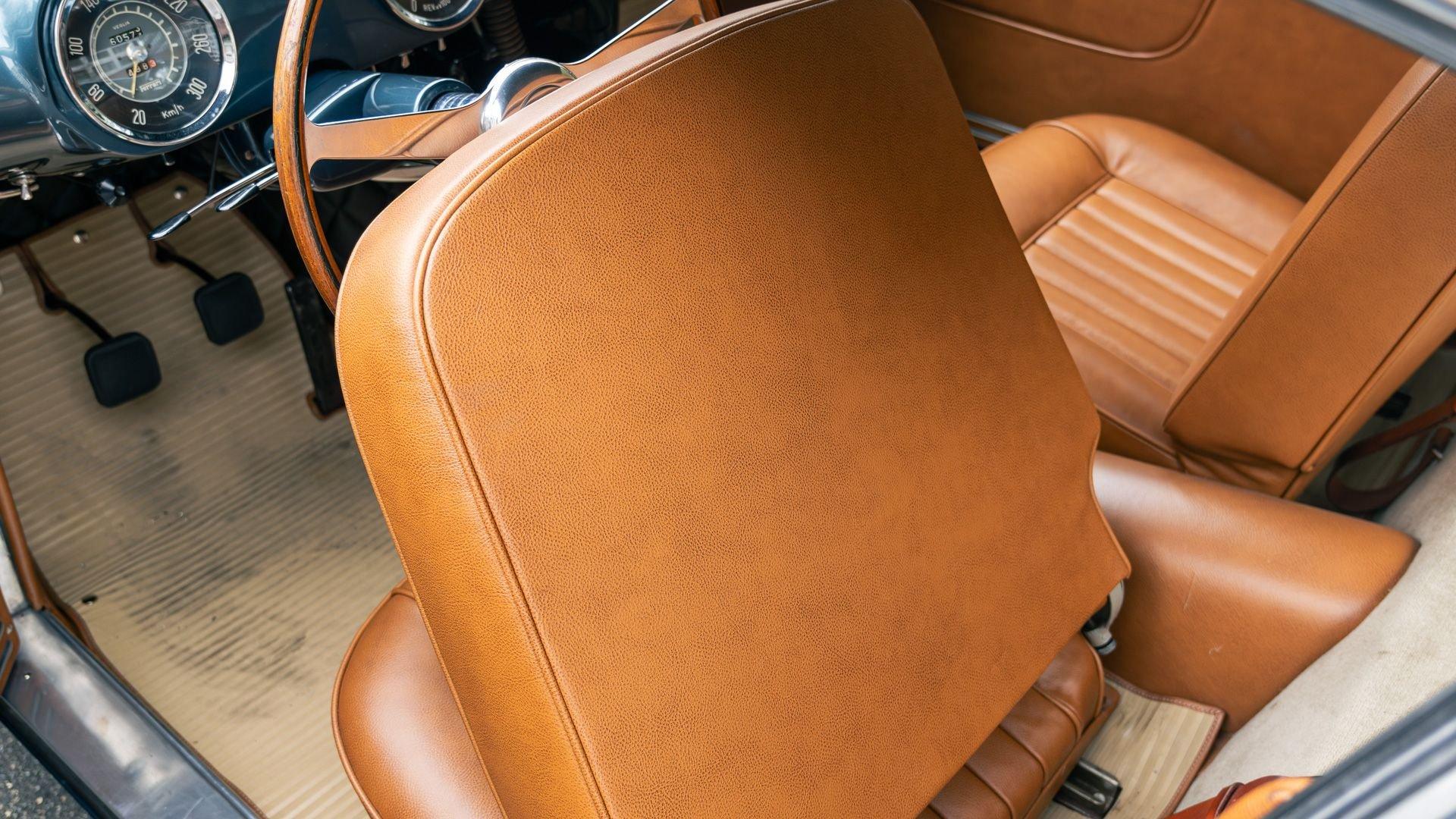
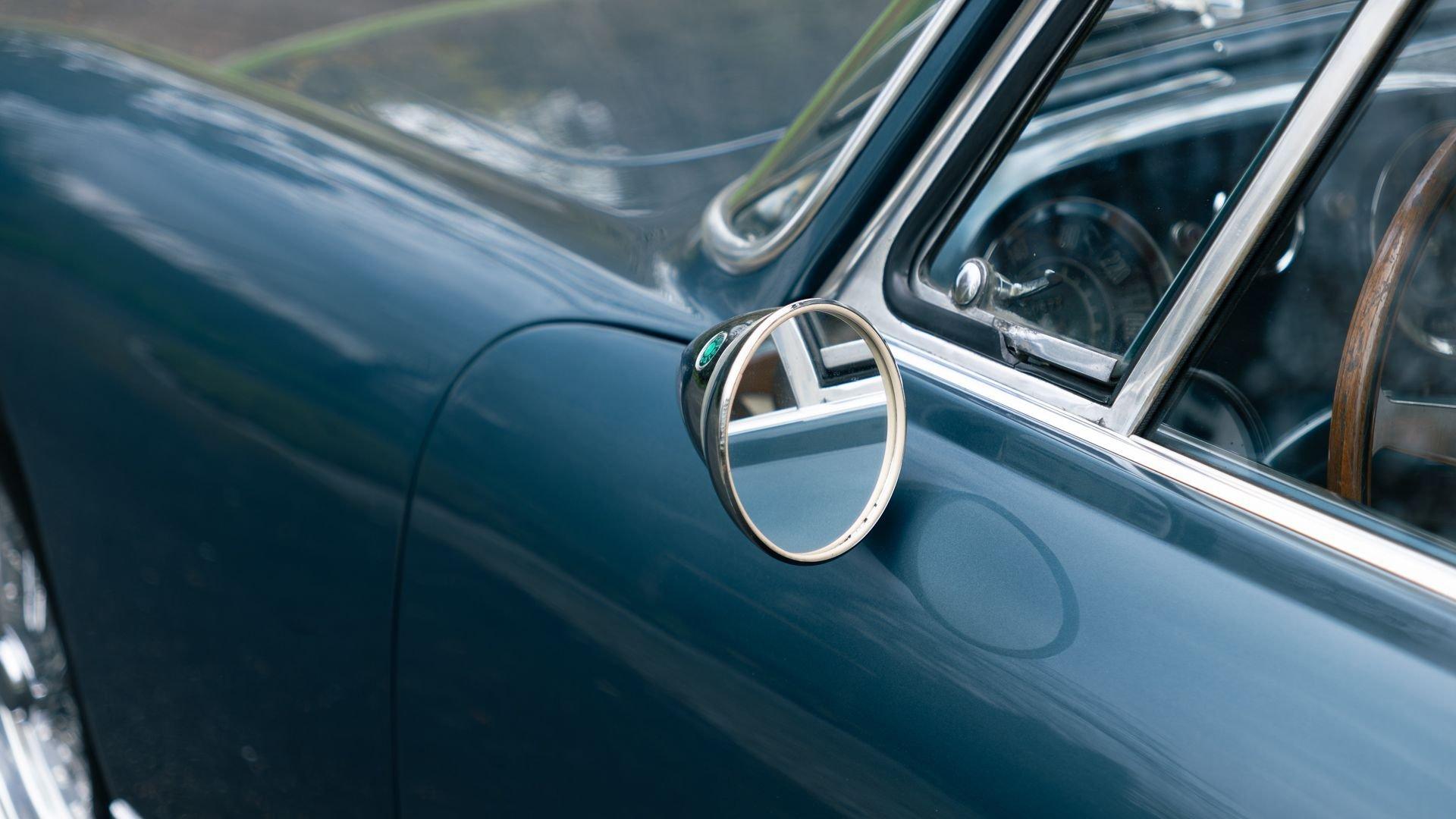
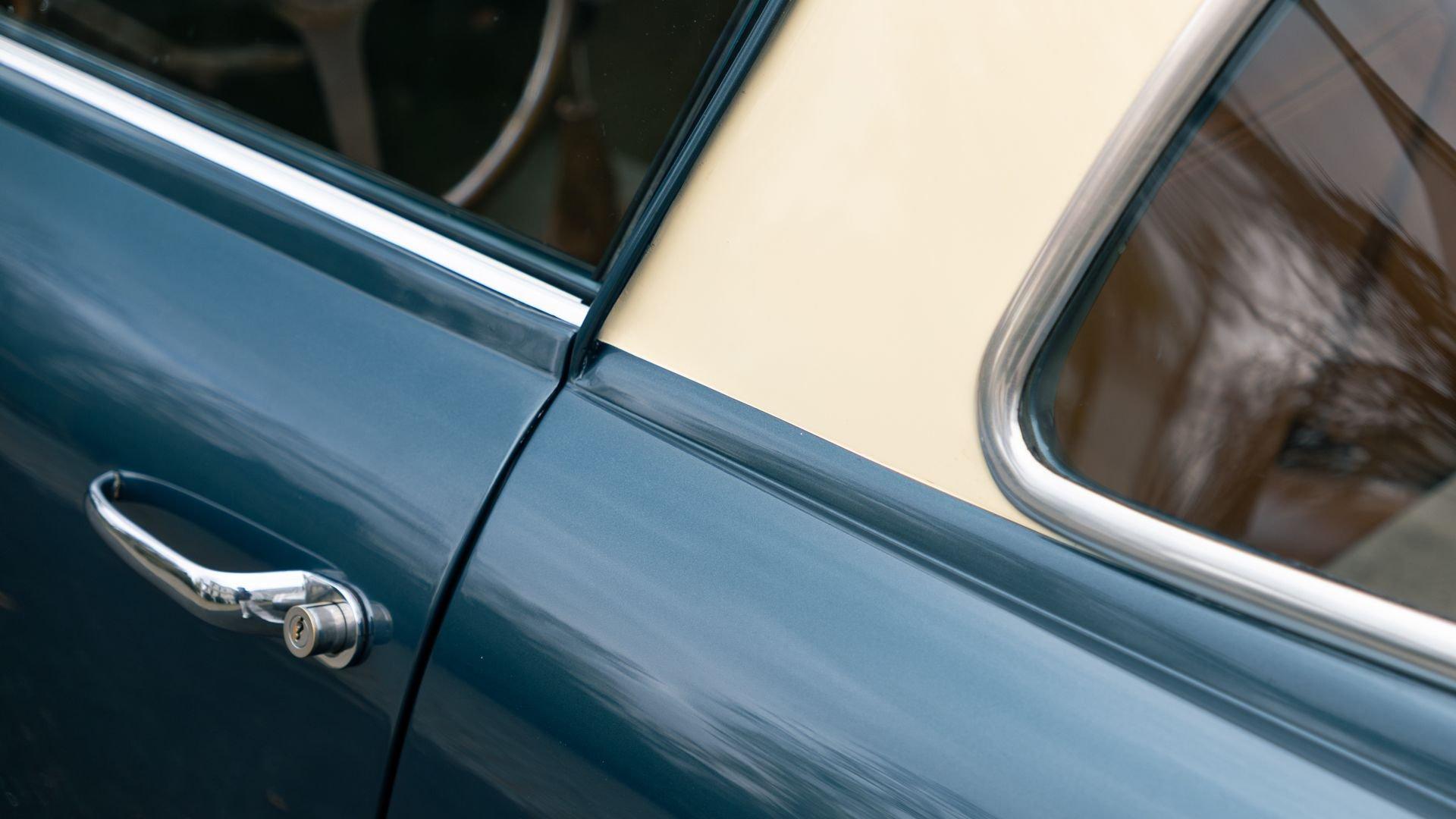
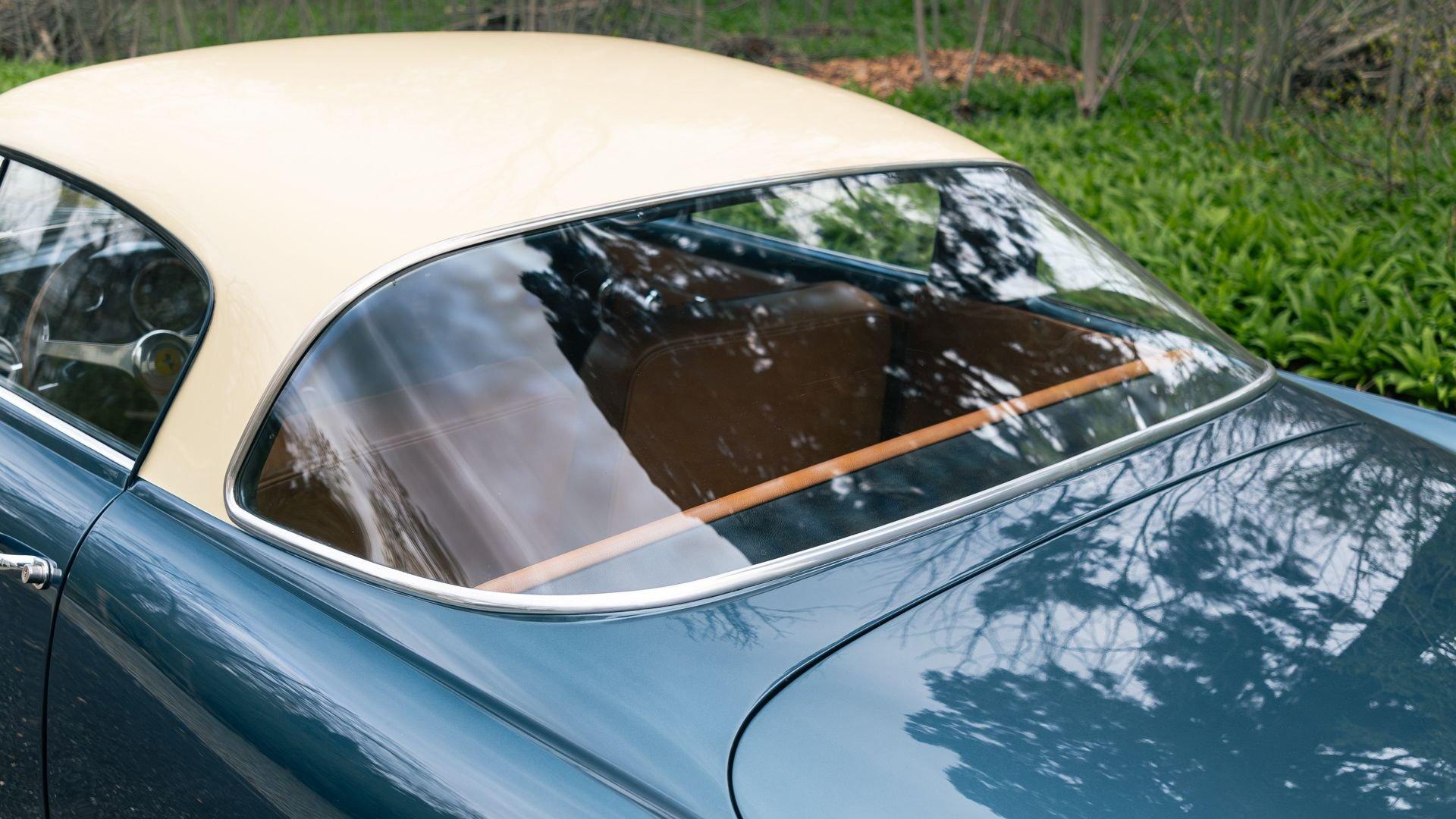
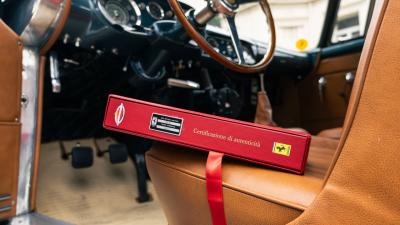
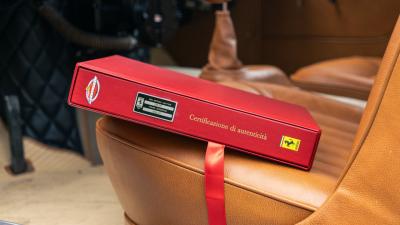
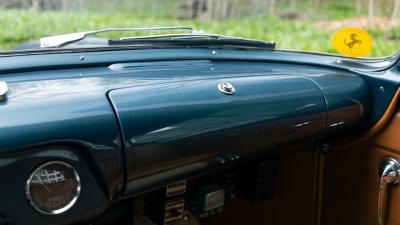
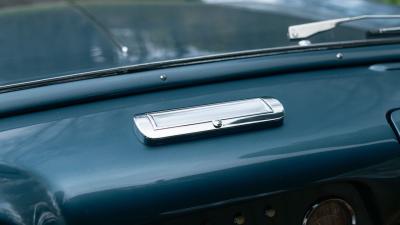
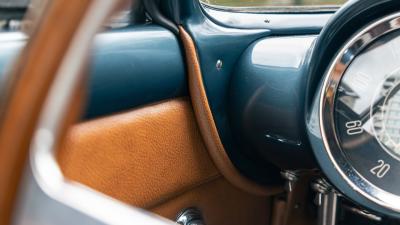
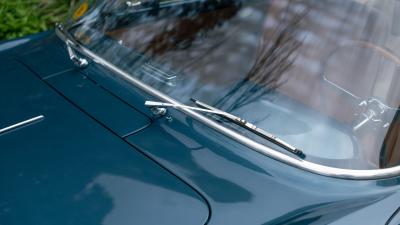
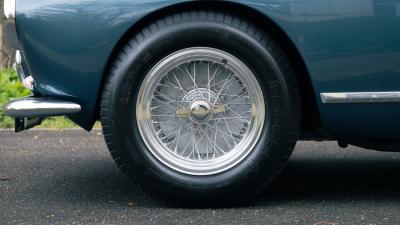
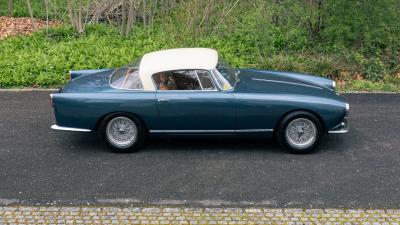
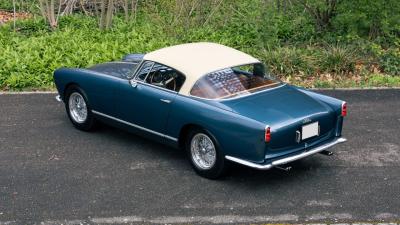
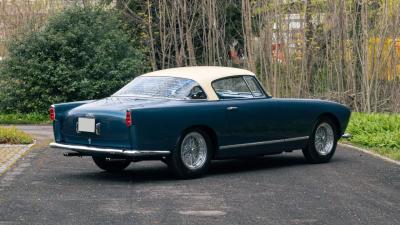
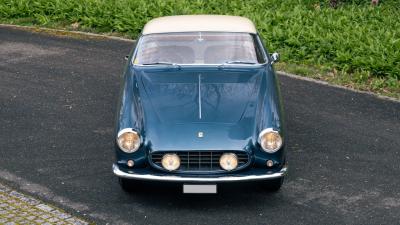
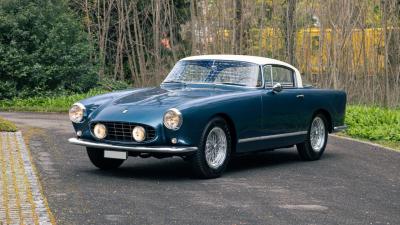
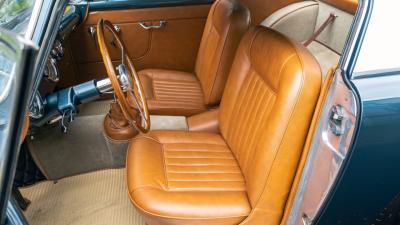
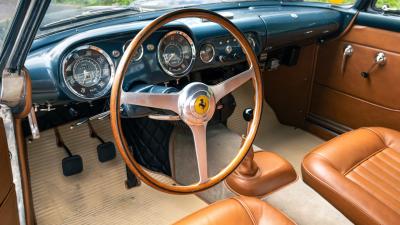
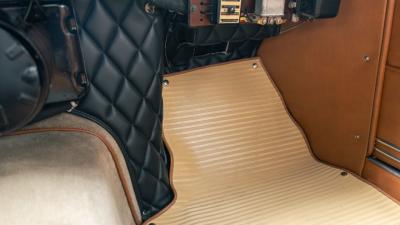
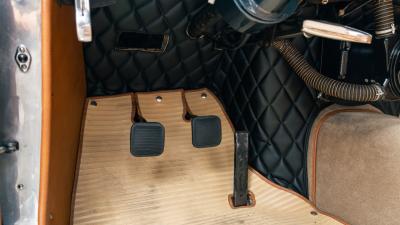
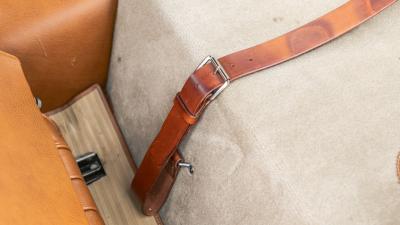
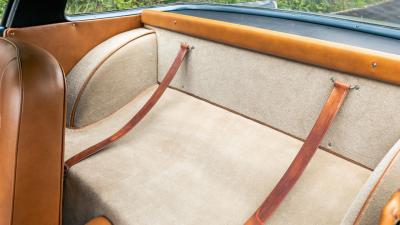
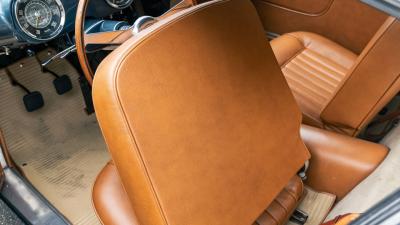
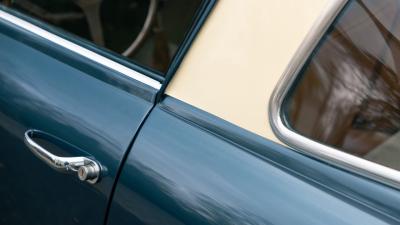
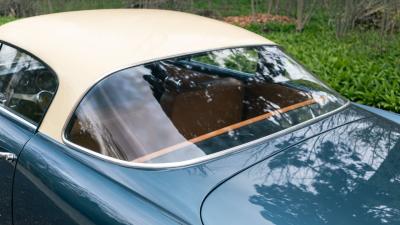
Acquired in September 2019 by its current custodian-a lifelong Ferrari enthusiast, world-renowned restorer of Enzo-era Ferraris, noted concours judge, and winner of multiple top concours events including Villa d'Este, Pebble Beach, and Cavallino Classic-the car was subjected to further restoration work, while preserving as many original finishes as possible. It was refinished in its original two-tone livery, Blu (Blue) with an Avorio (Ivory) roof, applied by the exacting specialists of Sahli Karrosserie in Zurich. Furthermore, the car is noted to retain its matching-numbers engine, transmission, and differential, certified by its accompanying Ferrari Classiche “Red Book.”
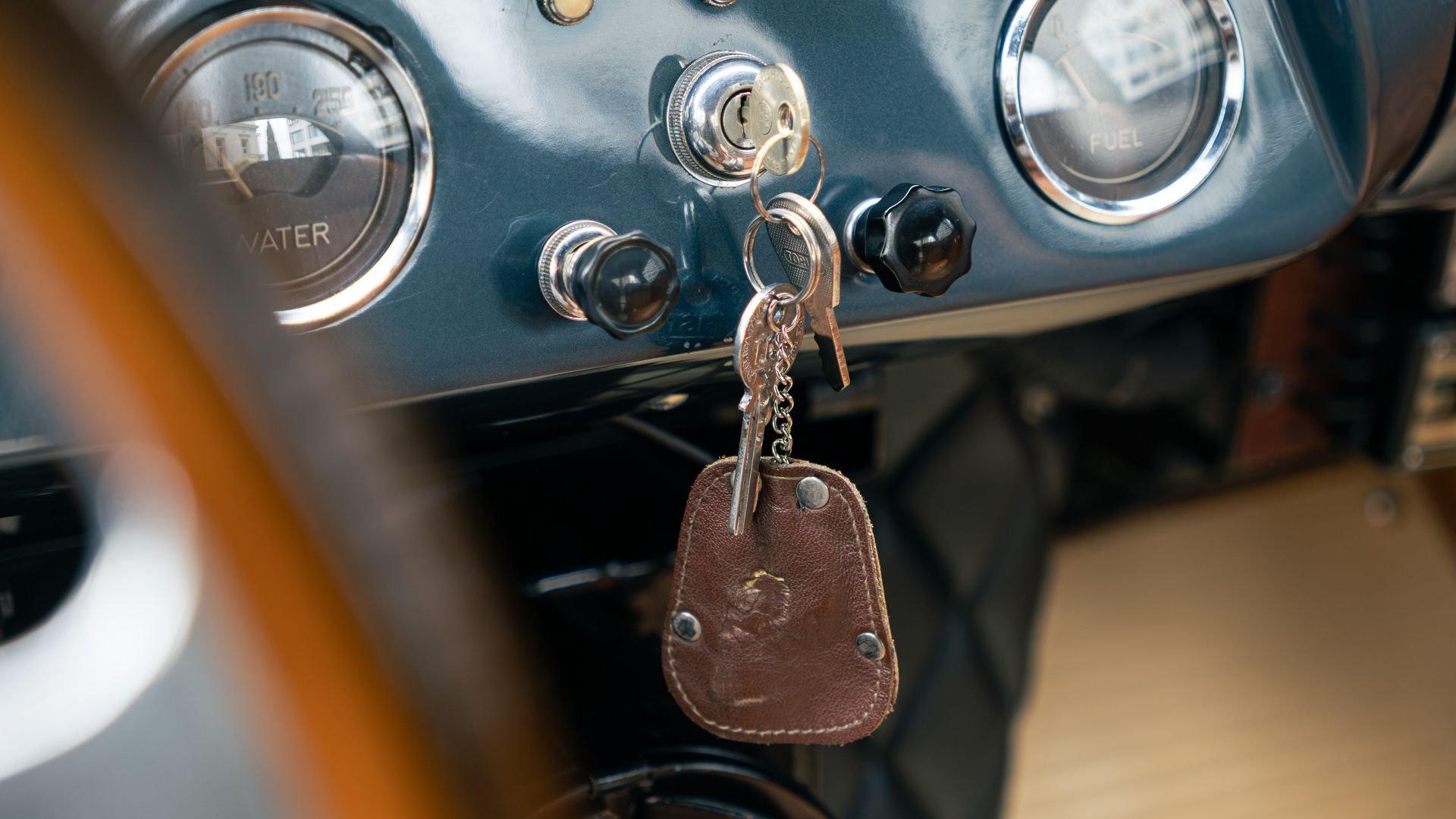
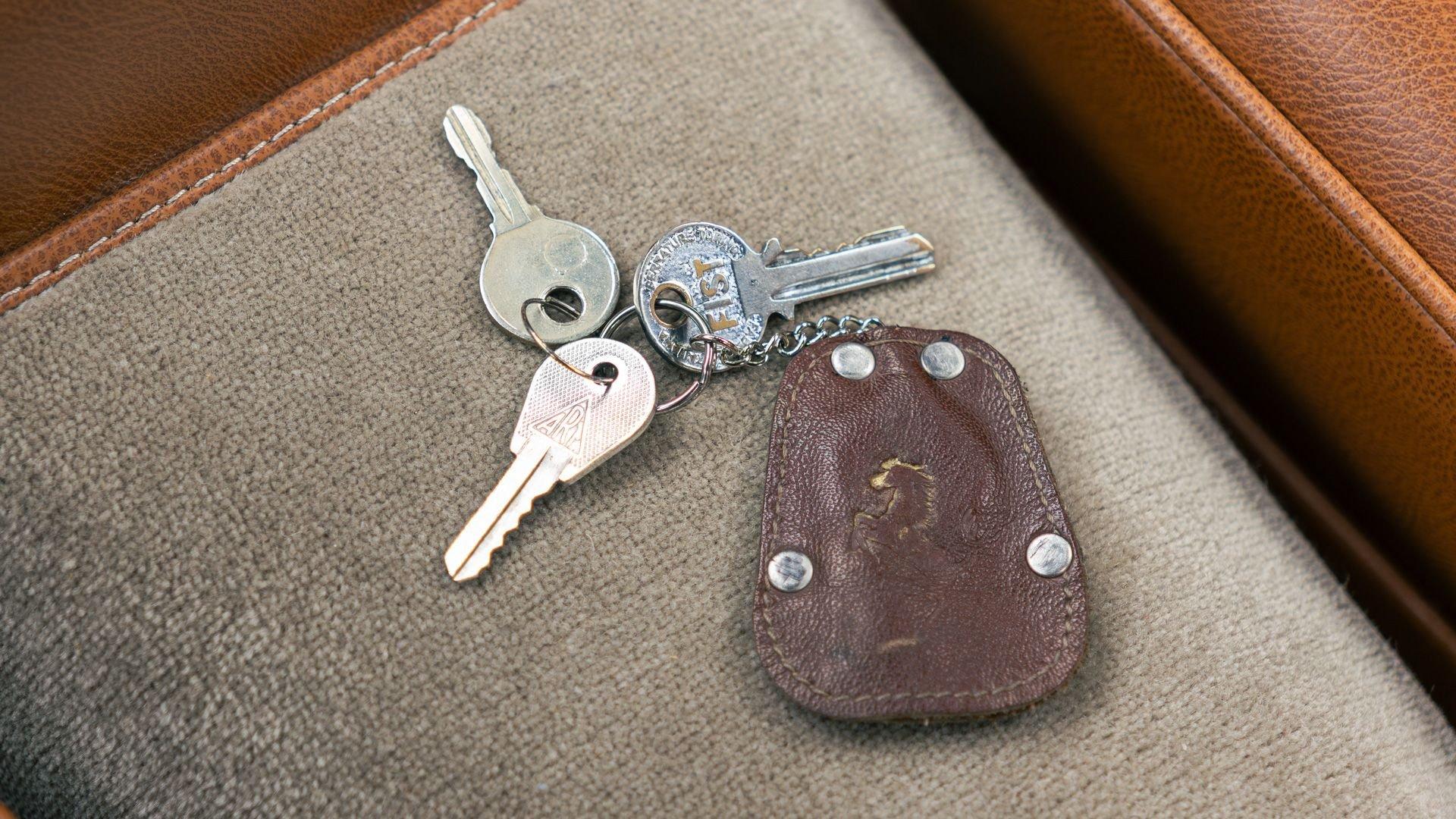
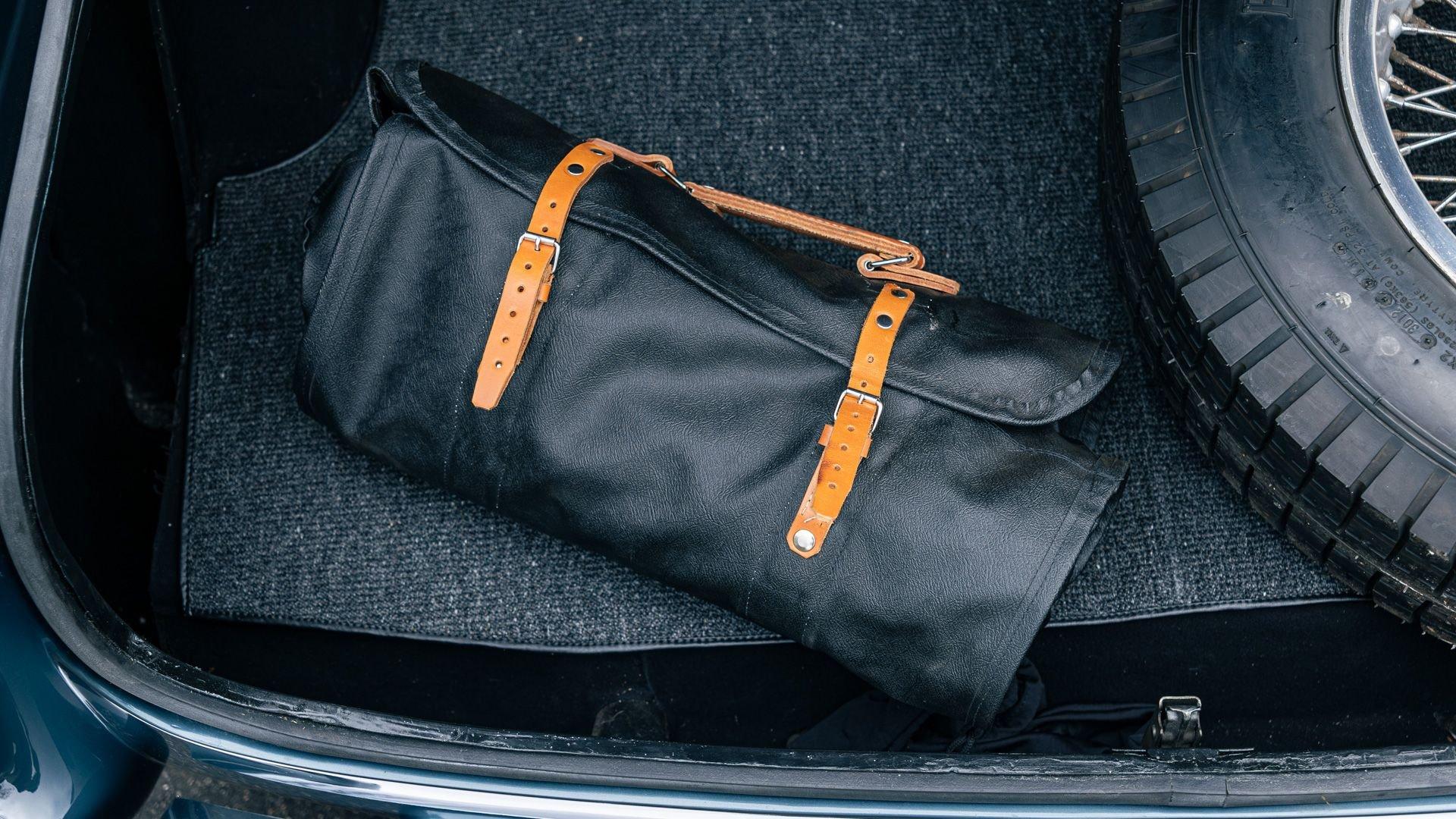
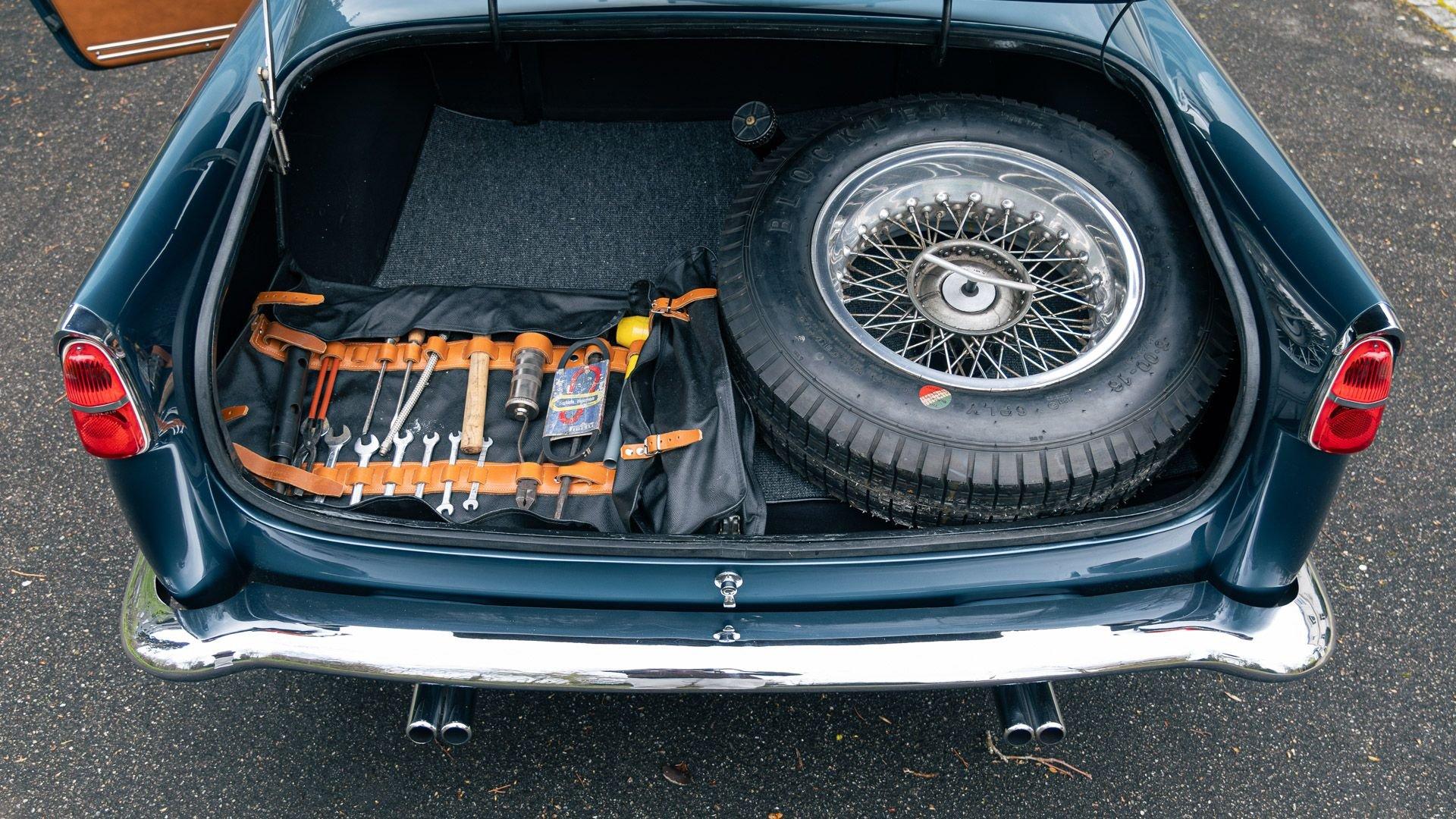
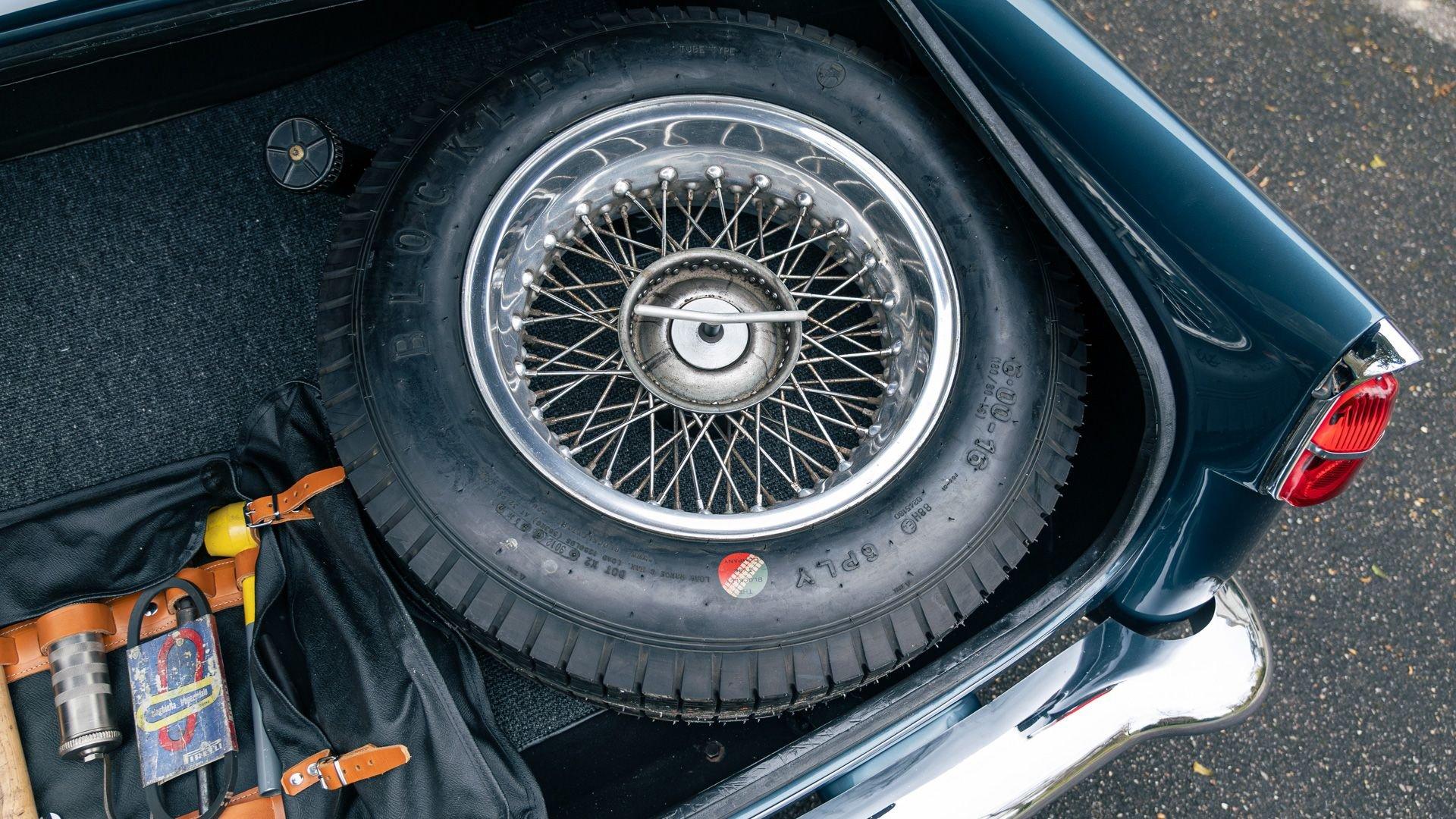
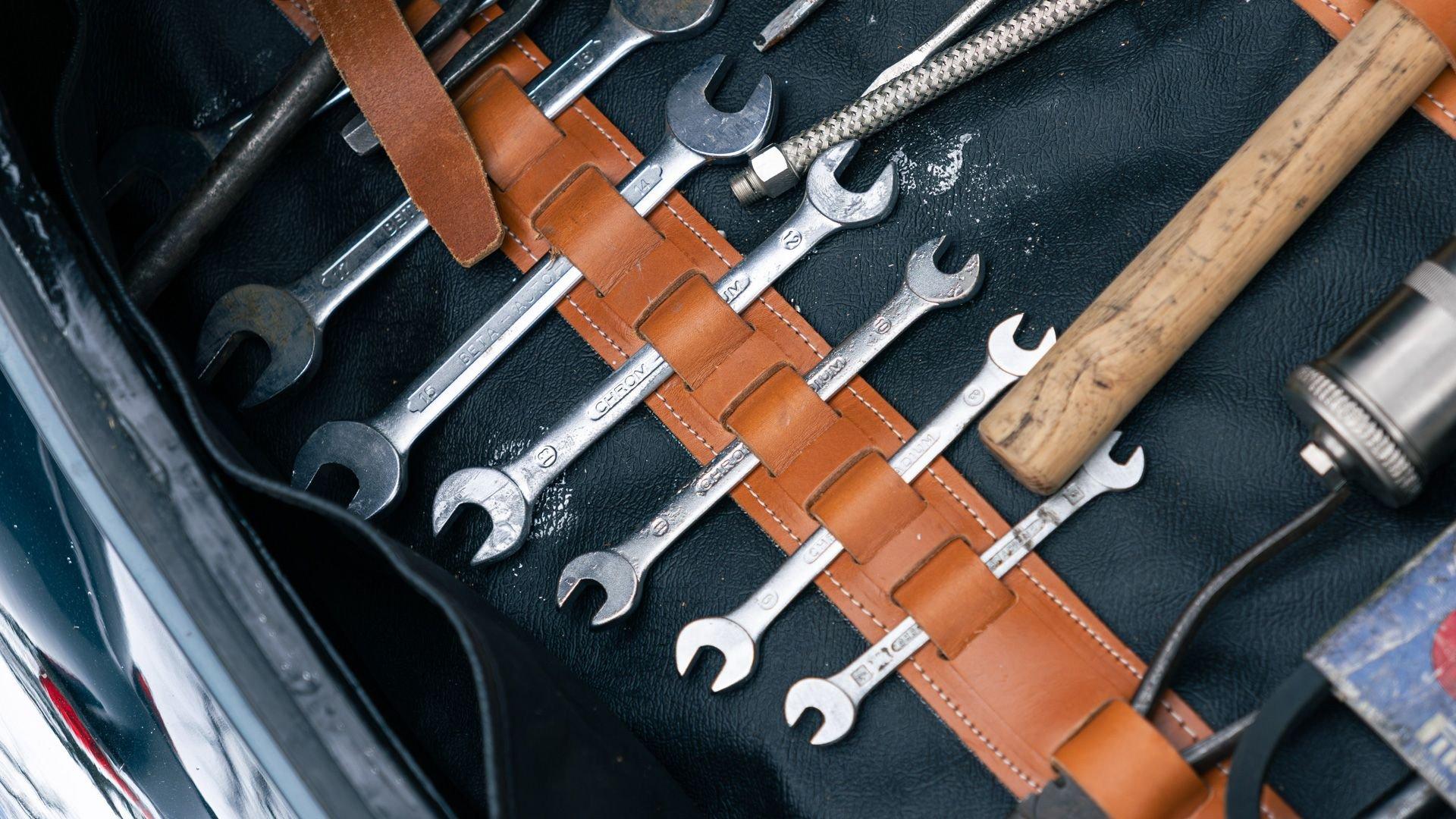
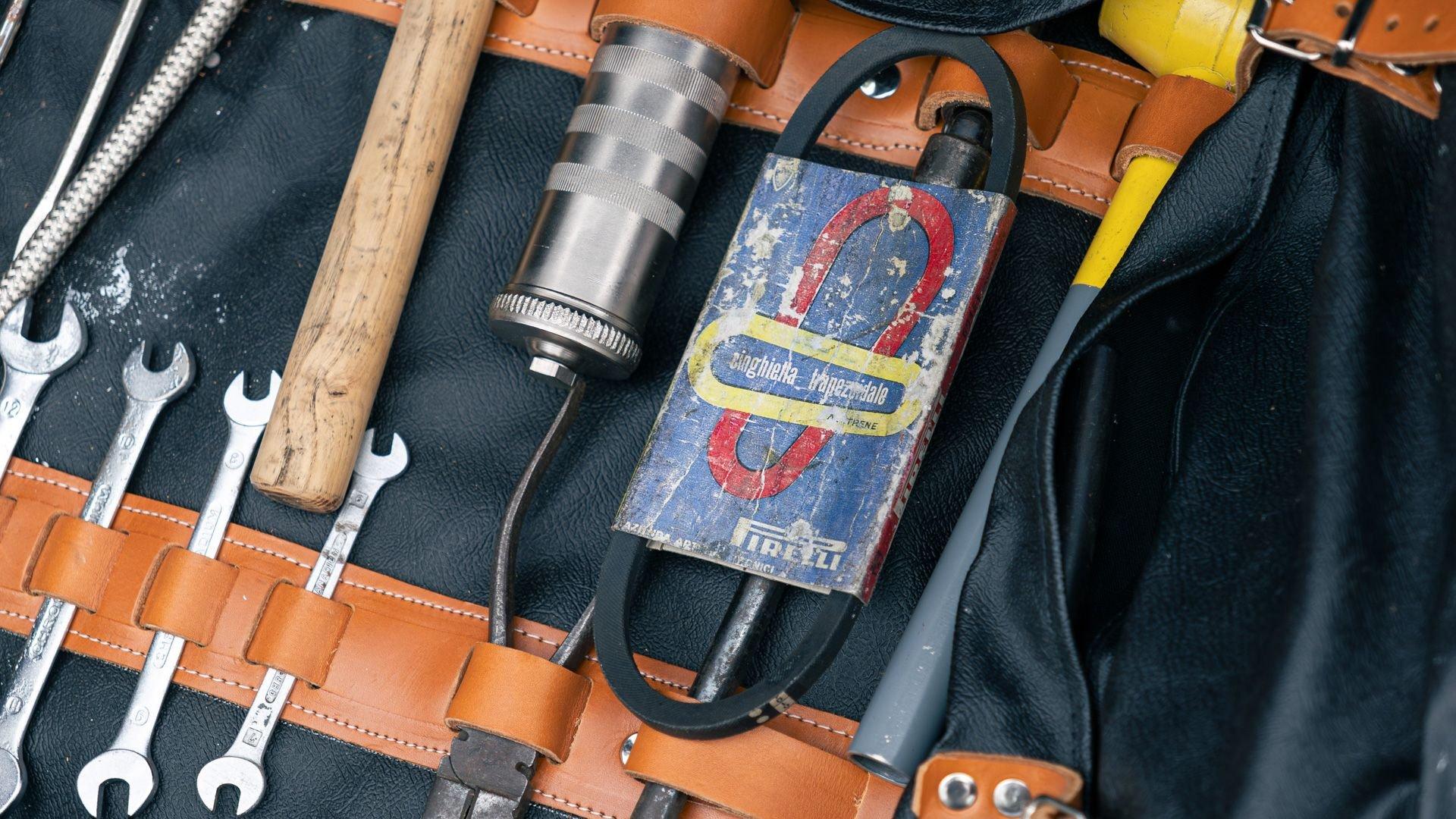
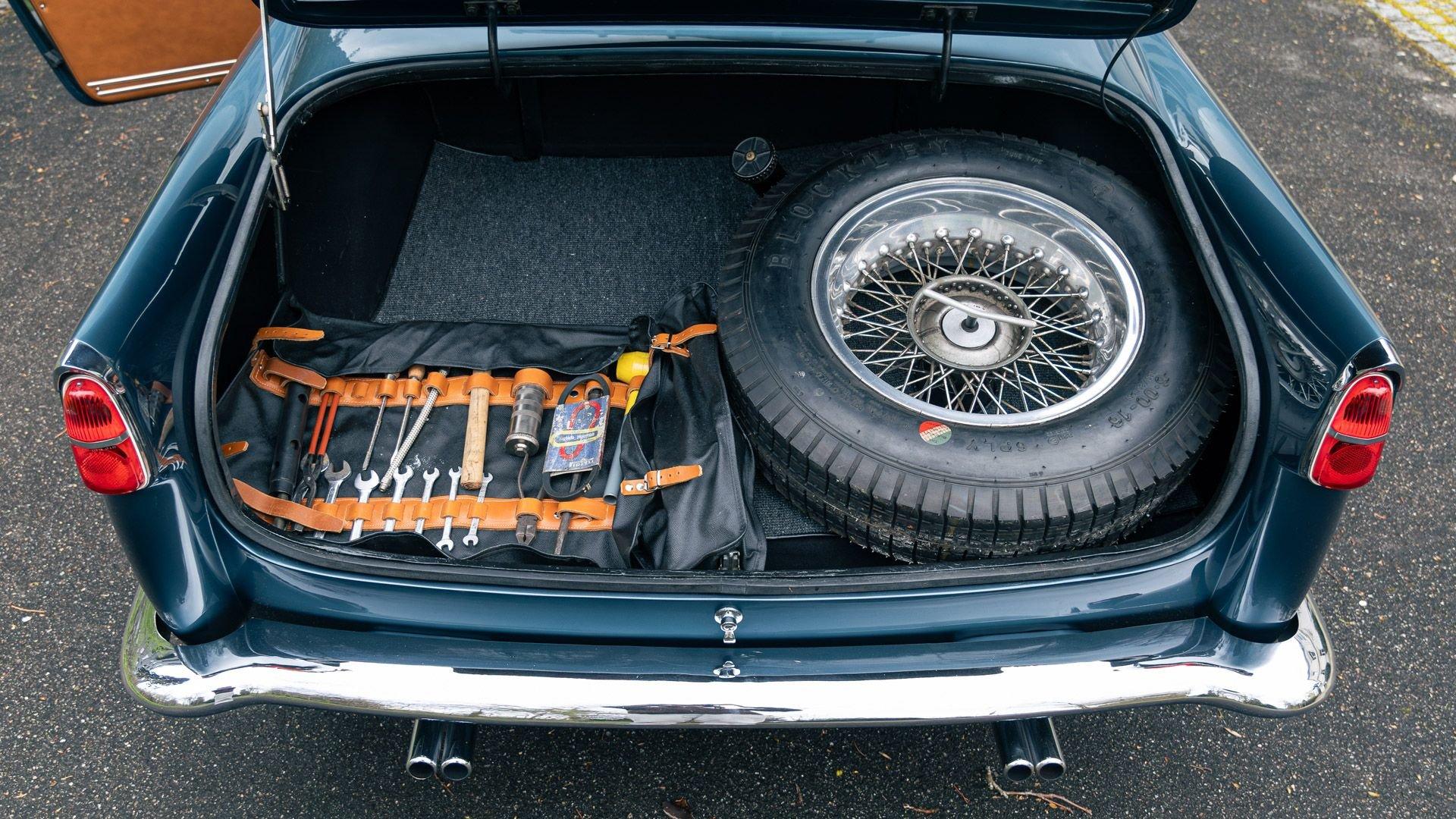
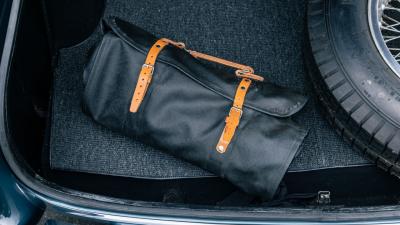
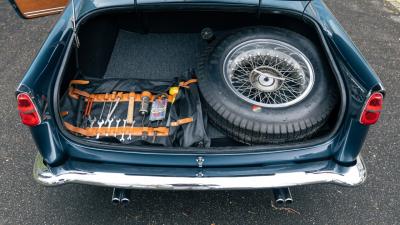
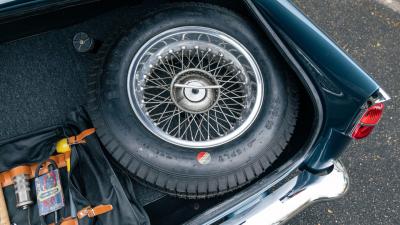
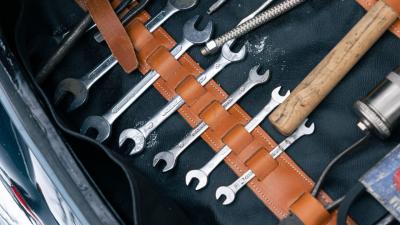
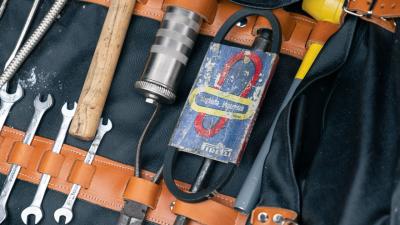
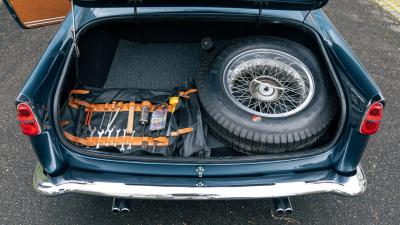
Today, 0565 GT is presented as a superbly restored, matching-numbers example of the final truly coachbuilt series-production Ferrari, as Pininfarina became-with only one subsequent exception-the sole outside designer for Ferrari series production cars to date. This supremely elegant and too often overlooked Gran Turismo shares its ''short block'' Colombo V12 lineage with Ferrari's most accomplished sports racers, as well as coveted competition-oriented road models like the 250 GT Tour de France. With eligibility for the Mille Miglia and the finest touring and concours events the world has to offer, 0565 GT is an unrepeatable opportunity for the discerning Ferrari collector-one of just 14 alloy-bodied examples of the type, offered in an undeniably striking period-correct color presentation with an unblemished history from new. It is accompanied by its Classiche Red Book and a beautifully restored factory tool roll.
Contact Us
